

Can a 304 Stainless Steel Kitchen Faucet Rust or Corrode Over Time
2026-09-14
When homeowners invest in a 304 Stainless Steel Kitchen Faucet, one of the most common concerns is whether it will rust or corrode after years of daily use. At BOYU, we have manufactured precision stainless steel fixtures for over two decades, and we understand exactly how environmental factors, water chemistry, and material grade affect long-term performance. This guide explains the science behind corrosion resistance, the real-world conditions that cause damage, and how to protect your investment.
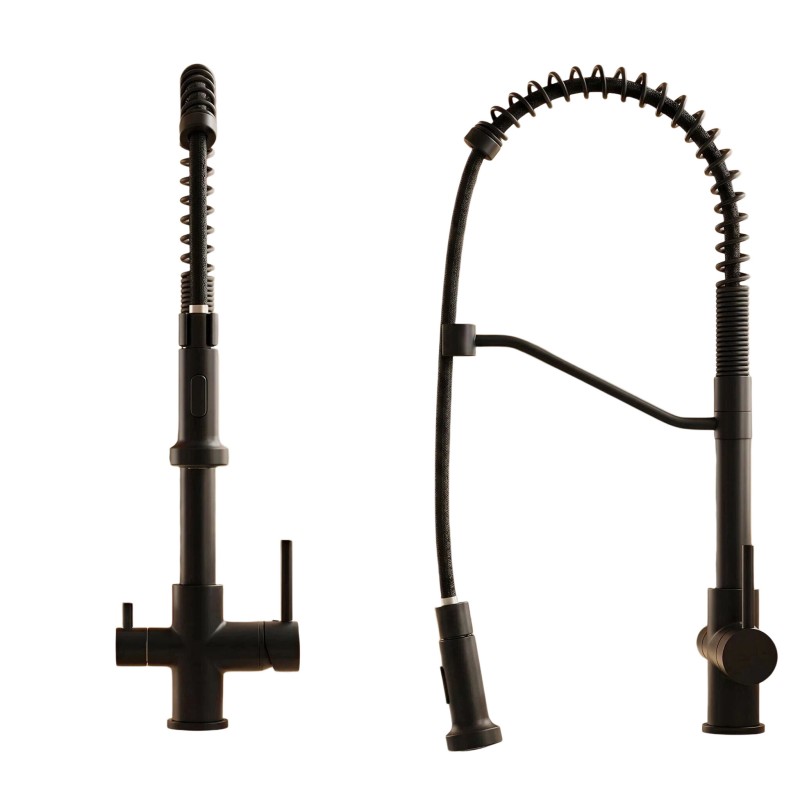
Understanding the Metallurgy of 304 Stainless Steel Kitchen Faucet
304 stainless steel contains 18% chromium and 8% nickel. Chromium forms a passive oxide layer on the surface that blocks oxygen and moisture from reaching the iron underneath. This self-healing film is why a 304 Stainless Steel Kitchen Faucet resists rust far better than ordinary carbon steel or low-grade alloys.
However, "stainless" does not mean "stain-proof." Corrosion can still occur under specific conditions.
| Factor | Risk Level | Explanation |
|---|---|---|
| Chlorides (salt, bleach) | High | Breaks down the passive layer |
| Acidic water (pH < 6.5) | Medium | Accelerates surface pitting |
| Hard water minerals | Medium | Causes limescale buildup and discoloration |
| High humidity / coastal air | Medium | Promotes surface rust spots |
| Improper cleaning chemicals | High | Ammonia and abrasive pads damage the film |
| Galvanic contact with iron | Low | Can trigger electrolytic corrosion |
Common Causes of Rust on a 304 Stainless Steel Kitchen Faucet
1. Surface Contamination
Iron particles from steel wool, carbon steel pipes, or construction dust can embed in the surface. When moisture is present, these particles rust and create the appearance that the faucet itself is corroding. BOYU faucets undergo passivation treatment to minimize this risk.
2. Chloride Exposure
Saltwater, household bleach, and certain dishwasher detergents contain chlorides that attack chromium oxide. Coastal homes and areas with high-salt water are especially vulnerable.
3. Standing Water and Limescale
Water left standing on the surface for extended periods allows minerals to concentrate. Over time, this leads to pitting corrosion beneath the scale.
4. Wrong Cleaning Products
Ammonia-based cleaners, hydrochloric acid, and abrasive scouring pads strip the protective layer. Even a high-quality 304 Stainless Steel Kitchen Faucet can fail if maintained improperly.
How BOYU Engineers Corrosion Resistance
BOYU applies a multi-stage process to every 304 Stainless Steel Kitchen Faucet:
-
Certified raw material testing –光谱分析 ensures 18/8 chromium-nickel content
-
Precision casting and machining – eliminates porosity that traps moisture
-
Passivation bath – removes free iron from the surface
-
Salt spray testing – 48 to 200 hours per ASTM B117 standards
-
PVD finish options – adds an extra barrier against chlorides
These steps ensure that a BOYU faucet performs reliably in residential and commercial kitchens.
304 Stainless Steel Kitchen Faucet FAQ
Q: Can a 304 Stainless Steel Kitchen Faucet rust in a coastal home?
A: Yes, it can develop surface rust if salt-laden air and moisture remain on the surface for long periods. However, 304 stainless steel resists chloride attack far better than 201 or 430 grades. Rinsing and drying the faucet weekly dramatically reduces risk. For coastal environments, BOYU recommends our PVD-coated models for added protection.
Q: How do I remove rust spots from a 304 Stainless Steel Kitchen Faucet?
A: Use a non-abrasive stainless steel cleaner and a soft microfiber cloth. For stubborn spots, apply a paste of baking soda and water, rub gently along the grain, then rinse thoroughly and dry. Never use steel wool or chlorine-based cleaners, as they will worsen the corrosion and void the finish warranty.
Q: Does a 304 Stainless Steel Kitchen Faucet require special maintenance?
A: No special chemicals are needed. Wipe the surface daily with a damp cloth, dry it after use, and deep clean weekly with mild dish soap. Every three months, apply a thin layer of mineral oil or a dedicated stainless steel polish to reinforce the passive layer. BOYU includes a maintenance guide with every faucet.
When Corrosion Is Covered Under Warranty
BOYU offers a limited lifetime warranty against manufacturing defects, including internal corrosion caused by material faults. Surface rust from environmental exposure or improper cleaning is not covered, but our support team provides free troubleshooting and replacement parts.
| Warranty Type | Coverage | Duration |
|---|---|---|
| Cartridge and valve | Defects in materials | 10 years |
| Finish (PVD models) | Peeling or blistering | 5 years |
| Structural body | Cracking or leakage | Limited lifetime |
Final Verdict
A 304 Stainless Steel Kitchen Faucet from BOYU will not rust under normal residential conditions when properly maintained. Corrosion only becomes a concern with prolonged chloride exposure, abrasive chemicals, or neglected standing water. By choosing certified 304 stainless steel and following simple care routines, your faucet will deliver decades of reliable service.
Contact us today for a free consultation, bulk pricing, or custom OEM projects. Our engineering team will help you select the right 304 Stainless Steel Kitchen Faucet for your climate, water quality, and budget.