

Article Summary: Choosing a bathroom cabinet involves more than finding a design that matches the tiles. Homeowners and project buyers need storage that fits the available space, handles humid conditions, supports everyday organization, and maintains an attractive appearance over time. A slate bathroom cabinet can introduce a sophisticated stone-inspired finish and a contemporary aesthetic while providing practical storage for toiletries, towels, and cleaning essentials. This guide explains the defining characteristics of slate bathroom cabinets, explores material and finish options, and covers dimensions, moisture management, installation, maintenance, and purchasing considerations. It also highlights common mistakes to avoid and answers frequently asked questions to help buyers make a more informed decision.
Who should read this guide? Homeowners, interior designers, bathroom renovation contractors, property developers, and furniture buyers looking for a stylish and functional bathroom storage solution.
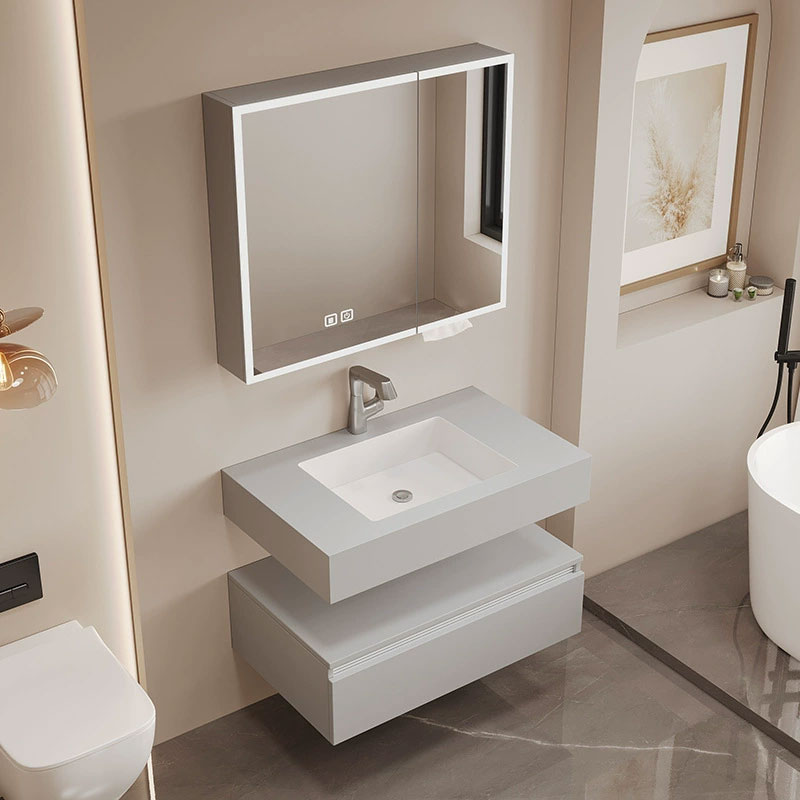
1. What Is a Slate Bathroom Cabinet?
A slate bathroom cabinet is a bathroom storage unit designed with a slate surface, slate-inspired finish, or a slate-based component, depending on the product construction. The term may refer to a cabinet with a natural slate countertop, a stone-look cabinet finish, or a bathroom vanity that combines a slate-style surface with engineered wood, metal, or other cabinet materials.
Because product constructions differ, buyers should confirm exactly which components use natural stone and which use manufactured materials. A slate-look finish can reproduce the visual character of stone without making the entire cabinet from slate.
Slate is valued for its distinctive texture, understated color variations, and natural appearance. Its visual character works particularly well in contemporary, industrial, minimalist, and nature-inspired interiors. Depending on the design, a slate bathroom cabinet may feature a dark gray surface, subtle layered patterns, a matte appearance, or a contrasting combination of stone-like surfaces and warm cabinetry.
Distinctive Appearance
Slate-inspired textures create visual depth and a refined surface that can complement modern bathroom finishes.
Practical Storage
Cabinet compartments keep daily toiletries, personal care products, and spare bathroom supplies organized.
Flexible Styling
Stone-inspired surfaces can work with wood tones, white ceramics, black fittings, and neutral wall colors.
Multiple Configurations
Depending on the product range, buyers may find wall-mounted, floor-standing, single-sink, and double-sink designs.
The best choice depends on the cabinet's actual construction, the bathroom environment, the available space, and the storage needs of the people using it.
2. How a Slate Bathroom Cabinet Improves Bathroom Design
Bathroom furniture must balance appearance with everyday functionality. A thoughtfully selected slate bathroom cabinet can serve as a focal point while helping the room feel more organized and visually consistent.
Creates a Contemporary Focal Point
Slate-inspired surfaces often feature muted colors and natural-looking textures rather than highly reflective patterns. This makes them suitable for bathrooms that favor clean lines and restrained decoration. A slate surface can provide contrast against white walls, pale tiles, or a ceramic basin.
Balances Stone and Warm Materials
Stone finishes can sometimes make a room feel cold when used without contrast. Pairing a slate cabinet with warm wood tones, soft lighting, brushed-metal hardware, or neutral textiles can create a more welcoming environment. The key is to repeat a small number of materials rather than introducing too many competing textures.
Supports a More Organized Bathroom
Storage is one of the most important functions of bathroom furniture. A cabinet with drawers, shelves, and suitable compartments can reduce countertop clutter and make everyday items easier to find. Well-planned storage is particularly valuable in shared bathrooms and compact apartments.
Works Across Different Interior Styles
Dark slate finishes can complement industrial or minimalist bathrooms, while lighter gray tones can support a softer contemporary design. Cabinets that combine stone-inspired surfaces with simple door fronts can also fit transitional interiors between traditional and modern styles.
3. Understanding Materials and Finishes
The material used in a bathroom cabinet determines more than its appearance. It also affects weight, water resistance, cleaning requirements, installation, and long-term durability. A slate-style cabinet should therefore be evaluated as a complete assembly rather than by its surface alone.
Natural Slate
Natural slate offers authentic stone texture and natural variation. It can create a premium appearance, but its weight, thickness, finish, and sealing requirements need to be considered. Not every natural slate product has the same porosity or maintenance needs, so the supplier's care instructions should be followed.
Slate-Look Surfaces
Manufactured surfaces can imitate the appearance of slate while offering different weight, cost, and maintenance characteristics. Their performance depends on the specific material, surface treatment, and manufacturing quality. Buyers should ask whether the finish is suitable for regular bathroom moisture and cleaning products.
Cabinet Body Materials
The cabinet body may be constructed from moisture-resistant engineered board, plywood, solid wood, metal, or other materials. Moisture-resistant does not mean waterproof. Exposed edges, drilled holes, joints, and plumbing openings still require appropriate protection.
Hardware and Accessories
Hinges, drawer runners, handles, brackets, and mounting hardware influence how the cabinet feels during daily use. Hardware designed for humid indoor environments can help reduce corrosion and premature wear. Soft-close mechanisms may also improve convenience and reduce impact on doors and drawers.
| Material or Feature | Potential Benefits | What to Check |
|---|---|---|
| Natural slate surface | Authentic stone texture and distinctive appearance. | Weight, finish, sealing requirements, and installation support. |
| Slate-look manufactured surface | Stone-inspired appearance with product-dependent maintenance and weight. | Surface composition, scratch resistance, moisture suitability, and cleaning instructions. |
| Moisture-resistant engineered board | Can provide a practical cabinet body for humid interior environments. | Edge sealing, joint protection, and limits on prolonged water exposure. |
| Plywood or wood-based construction | Can offer structural support and a warm visual finish. | Core quality, protective coating, ventilation, and water protection. |
| Corrosion-resistant hardware | Supports reliable operation in bathroom conditions. | Material grade, finish quality, load capacity, and serviceability. |
4. Planning Storage and Bathroom Layout
A visually attractive cabinet can still disappoint if its dimensions interfere with doors, plumbing, or movement around the bathroom. Before purchasing, measure the available space carefully and consider how the cabinet will be used each day.
Measure the Available Width
Measure the wall space available for the cabinet, taking nearby doors, shower enclosures, toilets, and other fixtures into account. Check the full width of drawers and doors when open, not just the cabinet's closed dimensions.
Check Cabinet Depth
Cabinet depth affects storage capacity and movement around the vanity. A deeper cabinet may provide more usable space but can make a narrow bathroom feel cramped. Compare the product's total projection from the wall with the clear floor area available in front of it.
Choose a Suitable Height
The combined height of the cabinet, countertop, and basin determines the final working height. Consider the needs of household members, the basin design, faucet height, and the location of any wall-mounted mirror or medicine cabinet.
Plan Around Plumbing
Measure the position of water supply lines, drain pipes, shutoff valves, and wall outlets. Internal drawers or shelves must not block access to essential plumbing components. Some cabinet models offer cutouts or configurable storage to accommodate different plumbing arrangements.
Use Storage Zones
Separate frequently used items from occasional supplies. Daily skincare products may belong in an easily accessible drawer, while spare towels and cleaning materials can be stored in deeper compartments if the design and household safety requirements allow it.
- Daily-use zone: Toothbrushes, hand soap, and frequently used personal care products.
- Organized drawer zone: Smaller accessories, grooming tools, and cosmetics.
- Bulk storage zone: Spare toiletries and other household bathroom supplies.
- Cleaning zone: Cleaning products stored securely and separately from personal care items.
In homes with children, medicines and hazardous cleaning products should be stored in appropriately secured locations rather than left in accessible vanity drawers.
5. How to Choose the Right Slate Bathroom Cabinet
Comparing a few practical specifications before buying can prevent problems with installation, storage, and long-term maintenance.
Step 1: Define Your Main Requirement
Decide whether the priority is maximizing storage, improving appearance, fitting a compact bathroom, or creating a coordinated vanity area. A clear priority helps narrow the available options.
Step 2: Select the Mounting Style
Wall-mounted cabinets can create an open visual effect and make the floor easier to clean, but they require a suitable supporting wall and correctly rated fixings. Floor-standing cabinets may be easier to accommodate in some existing bathrooms, although their feet, base, and surrounding floor joints need suitable moisture protection.
Step 3: Confirm the Surface Construction
Ask whether the surface is natural slate, an engineered material, or a slate-look finish. Request relevant product specifications, recommended cleaning methods, and information about the cabinet body's construction. Do not assume that the entire unit is stone simply because the product is described as a slate bathroom cabinet.
Step 4: Evaluate Storage Functionality
Review drawer dimensions, shelf spacing, internal obstructions, door swing, and access to plumbing. Think about the actual objects that will be stored rather than relying solely on the total number of drawers or shelves.
Step 5: Inspect Hardware and Finishing
Check the smoothness of door movement, drawer alignment, edge finishing, handle attachment, and the quality of exposed joints. For project orders, request samples or product images that clearly show the surface and internal construction.
Step 6: Compare the Total Project Cost
Consider the cabinet, basin, faucet compatibility, mounting hardware, delivery, installation, and any necessary plumbing adjustments. A lower purchase price may not represent better value if the cabinet requires expensive modifications or does not fit the existing layout.
Step 7: Review Warranty and After-Sales Support
Confirm warranty terms, packaging arrangements, spare hardware availability, and procedures for reporting damage. For commercial projects, ask about product consistency, lead times, packaging specifications, and order requirements before finalizing a purchase.
6. Moisture Resistance and Long-Term Durability
Bathrooms experience frequent changes in humidity, splashing water, temperature, and cleaning activity. A durable cabinet needs to manage these conditions through suitable materials, protective finishes, sound construction, and appropriate installation.
Protect Edges and Joints
Water can enter vulnerable areas around exposed board edges, drilled holes, countertop joints, and plumbing openings. Confirm that these areas are finished or sealed according to the product's installation requirements. Inspect them periodically for swelling, peeling, or deterioration.
Manage Standing Water
Wipe up spills around the basin and countertop instead of allowing water to remain near cabinet seams. Even materials designed for humid environments can deteriorate when repeatedly exposed to standing water or leaking plumbing.
Maintain Adequate Ventilation
Effective bathroom ventilation helps reduce persistent humidity and condensation. Use an appropriate exhaust fan where available and avoid leaving wet towels or damp objects against cabinet surfaces for extended periods.
Choose Suitable Cleaning Products
Natural stone, manufactured surfaces, painted panels, and metal hardware may have different cleaning requirements. Follow the manufacturer's instructions and test an unfamiliar cleaner on an inconspicuous area if permitted. Avoid aggressive chemicals, abrasive pads, and acidic cleaners on surfaces for which they are not recommended.
Inspect Plumbing Connections
A slow leak beneath a basin can damage a cabinet before the problem becomes obvious. Check supply connections, drain fittings, and the cabinet interior periodically. Repair leaks promptly and allow any damp areas to dry fully.
7. Installation Considerations for a Reliable Fit
Correct installation is essential for cabinet stability, alignment, and moisture protection. Because cabinet designs and mounting methods differ, always follow the instructions supplied for the specific product.
Prepare the Installation Area
Confirm that the floor or wall is suitable for the intended mounting method. Locate hidden pipes and electrical wiring before drilling. Check the dimensions again and ensure that the cabinet can be moved into position without damaging the surface or surrounding fixtures.
Confirm Wall Support
Wall-mounted cabinets must be secured to an appropriate structural support using fixings rated for the installation. The cabinet, countertop, basin, and stored items all contribute to the total load. Heavy stone components require particular attention to support and handling.
Level and Align the Cabinet
Use suitable measuring and leveling tools to ensure that the cabinet sits correctly. Misalignment can affect door operation, drawer movement, countertop placement, and the connection between the basin and plumbing.
Protect Plumbing Access
Ensure that the drain, water supply, and shutoff valves remain accessible for future inspection and repairs. Avoid forcing pipes into contact with cabinet panels or drawers, and confirm that any cutouts are appropriately finished.
Seal Appropriate Interfaces
Use the sealants and installation methods specified for the countertop, basin, and adjacent wall surfaces. Sealant should be compatible with the materials involved and applied according to the manufacturer's instructions.
For heavy stone surfaces, complex wall-mounted units, or installations involving plumbing or electrical work, use qualified installers where required. Proper handling reduces the risk of damage and helps ensure a secure finished installation.
8. Cleaning and Maintenance for Everyday Use
Regular, gentle maintenance can help preserve the appearance of a slate bathroom cabinet and reduce the likelihood of avoidable repairs.
Daily Care
- Wipe water splashes and cosmetic spills from the countertop promptly.
- Use a soft cloth to remove dust, fingerprints, and light surface residue.
- Keep wet towels away from cabinet panels and exposed edges.
- Check for visible leaks beneath the basin and around plumbing connections.
Weekly Cleaning
- Clean suitable surfaces using the recommended cleaner and a non-abrasive cloth.
- Remove residue from handles, drawer fronts, and the areas around the basin.
- Wipe the cabinet interior if necessary and allow it to dry completely.
- Check door hinges and drawer runners for smooth operation.
Periodic Inspection
- Look for swelling, peeling, discoloration, cracks, or damaged edge seals.
- Inspect mounting hardware and visible fixings for looseness.
- Check stone surfaces for chips or changes in the finish.
- Confirm that ventilation is working and that moisture is not accumulating.
| Problem | Possible Cause | Recommended Response |
|---|---|---|
| Swollen cabinet edges | Repeated water exposure or damaged edge protection. | Identify the moisture source, repair leaks, and consult the supplier about the affected material. |
| Cloudy surface marks | Mineral deposits, soap residue, or an incompatible cleaning product. | Use the surface-specific cleaning method recommended by the manufacturer. |
| Loose handles or hinges | Repeated use, loose fasteners, or hardware wear. | Inspect and tighten or replace components according to the product instructions. |
| Persistent dampness inside the cabinet | Plumbing leaks, condensation, or poor ventilation. | Check connections, improve ventilation, and dry the interior after resolving the cause. |
| Chipped or scratched surface | Impact, abrasive cleaning, or inappropriate use. | Follow the supplier's repair guidance and avoid unapproved polishing or repair chemicals. |
9. Common Purchasing Mistakes to Avoid
Choosing Appearance Before Measuring
A cabinet may look perfect in a product photograph but fail to fit the available wall space. Measure the room and check door clearance, drawer extension, plumbing positions, and walking space before ordering.
Assuming Every Slate Finish Is Natural Stone
Product descriptions can refer to natural stone or a manufactured slate-look surface. Confirm the material composition and compare weight, maintenance, and performance characteristics before making a decision.
Overlooking the Cabinet Body
A visually attractive countertop cannot compensate for a cabinet body that is poorly suited to humid conditions. Review panel construction, edge finishing, hardware, joints, and the overall assembly.
Ignoring Storage Habits
Too many shallow drawers or shelves with unsuitable spacing can make everyday items difficult to organize. List the items that need to be stored and compare them with the actual internal dimensions.
Using Inappropriate Cleaning Products
Strong acids, abrasive cleaners, and unsuitable solvents can damage natural stone, protective coatings, and metal finishes. Follow the care instructions for each material in the cabinet assembly.
Failing to Confirm Installation Requirements
Wall strength, mounting hardware, countertop weight, and plumbing clearance should be verified before installation begins. These checks are especially important for heavy stone components and wall-hung cabinets.
Comparing Suppliers Only by Price
Product consistency, packaging quality, delivery arrangements, warranty terms, and after-sales support can affect the total value of a purchase. Request clear specifications and confirm the scope of supply before comparing quotations.
10. Bathroom Cabinet Solutions from Huizhou Guantuo Technology Co., Ltd.
For bathroom furniture projects, finding a suitable product involves balancing design, dimensions, material selection, functionality, and production requirements. Huizhou Guantuo Technology Co., Ltd. can be included in your supplier evaluation when researching bathroom cabinet solutions and planning your product requirements.
Before choosing a slate bathroom cabinet for a residential renovation, hotel project, apartment development, or furniture distribution business, buyers should establish a clear specification covering the cabinet's intended application and the environment in which it will be installed.
Information to Prepare for a Product Inquiry
- Required cabinet width, depth, height, and mounting style.
- Preferred surface appearance and confirmation of the actual material construction.
- Cabinet body material, color, finish, and hardware preferences.
- Basin configuration, faucet requirements, and plumbing clearances.
- Storage requirements, including drawers, shelves, and internal compartments.
- Expected order quantity, packaging needs, and project schedule.
- Applicable quality, installation, and documentation requirements.
Providing these details makes it easier to evaluate whether a proposed product matches the project's physical requirements and design expectations. Buyers should request current product specifications, material details, installation instructions, and relevant quality documentation before placing an order.
For projects that require multiple units, confirm dimensional consistency, finish options, packaging protection, lead times, and the supplier's procedures for handling damaged or defective products. These practical details are particularly important for distributors and property developers coordinating bathroom furniture across several locations.
When assessing bathroom cabinet options, work with Huizhou Guantuo Technology Co., Ltd. to discuss your product requirements, clarify specifications, and determine the information needed to evaluate a suitable solution for your project.
11. Frequently Asked Questions
1. What is a slate bathroom cabinet?
A slate bathroom cabinet is a bathroom storage unit featuring a natural slate component or a slate-inspired finish. Depending on the product, the countertop or exterior may use natural stone or a manufactured material designed to resemble slate. Always confirm the actual construction with the supplier.
2. Are slate bathroom cabinets suitable for humid environments?
They can be suitable when the complete cabinet assembly is designed for bathroom use and installed correctly. Material selection, edge protection, sealed joints, ventilation, and prompt cleanup of standing water all contribute to long-term performance.
3. Is natural slate better than a slate-look finish?
Neither option is automatically better for every project. Natural slate provides authentic stone characteristics, while manufactured finishes may offer different weight, cost, and maintenance advantages. Compare the actual product specifications, appearance, durability, and care requirements.
4. How do I choose the correct cabinet size?
Measure the available wall width, cabinet depth, final countertop height, door clearance, and plumbing positions. Consider how drawers and doors open and leave enough room for comfortable movement around the vanity.
5. Can a slate bathroom cabinet be installed in a small bathroom?
Yes. A compact cabinet or suitable wall-mounted design can help maximize usable space. Check the total projection from the wall, the clearance in front of the unit, and the storage capacity before selecting a model.
6. How should I clean a slate bathroom cabinet?
Use a soft cloth and a cleaning product approved for the specific surface. Avoid abrasive tools and chemicals that may damage natural stone, coatings, or hardware. Follow the manufacturer's care instructions, especially when the cabinet combines several materials.
7. Do slate bathroom cabinets require sealing?
Some natural slate surfaces may require sealing depending on their finish and the manufacturer's recommendations. Manufactured slate-look surfaces may have different requirements. Confirm the exact material and follow the supplier's maintenance instructions rather than applying a generic sealant.
8. What should I check before installing a wall-mounted cabinet?
Verify the wall structure, fixing specifications, cabinet weight, countertop and basin loads, and the accessibility of plumbing connections. Use appropriate mounting hardware and qualified installation support where necessary.
9. How can I prevent moisture damage to my bathroom cabinet?
Maintain ventilation, wipe away standing water, inspect plumbing regularly, protect exposed edges, and repair leaks promptly. Avoid allowing wet objects to remain against cabinet panels for extended periods.
10. What information should I provide when requesting a bathroom cabinet quotation?
Provide the required dimensions, mounting style, surface and cabinet body materials, color preferences, basin configuration, storage requirements, order quantity, and delivery schedule. Clear specifications help the supplier assess product suitability and prepare a more relevant quotation.
Conclusion: Create a Bathroom That Combines Style and Function
A slate bathroom cabinet can bring a refined stone-inspired appearance to a bathroom while providing practical storage for daily essentials. Its success depends on more than surface design: the cabinet body, hardware, dimensions, moisture protection, installation method, and maintenance requirements all influence the finished result.
By measuring carefully, confirming material specifications, evaluating storage needs, and planning for the bathroom's humid environment, homeowners and project buyers can make a more informed purchasing decision. Regular cleaning, prompt leak repairs, and appropriate ventilation can also help preserve the cabinet's appearance over time.
For residential renovations, hospitality projects, and commercial bathroom furniture purchasing, clear communication with the supplier is essential. Confirm the product's actual construction, dimensions, finish, installation requirements, and after-sales arrangements before placing an order.
Looking for the Right Bathroom Cabinet for Your Project?
Bring your bathroom design plans to life with a cabinet solution selected around your space, storage needs, material preferences, and installation requirements. Huizhou Guantuo Technology Co., Ltd. can be part of your supplier evaluation as you explore suitable bathroom cabinet options.
Whether you are planning a home renovation, furnishing a hotel, or sourcing bathroom furniture for a commercial project, contact us to discuss your requirements, clarify product specifications, and explore the next steps for your purchasing project.