

How Can Kitchen Tissue Enhance Daily Kitchen Efficiency?
2026-03-03
Article Summary
Kitchen tissue, also known as paper towels, is an essential household and commercial product designed for cleaning, drying, and food handling. Choosing the right kitchen tissue improves hygiene, reduces waste, and increases overall kitchen efficiency. This article explores the types of kitchen tissue, key performance features, common customer pain points, and best practices for selection and use. Ranjin offers high-quality kitchen tissue solutions that balance absorbency, strength, and eco-friendliness for both domestic and professional kitchens.
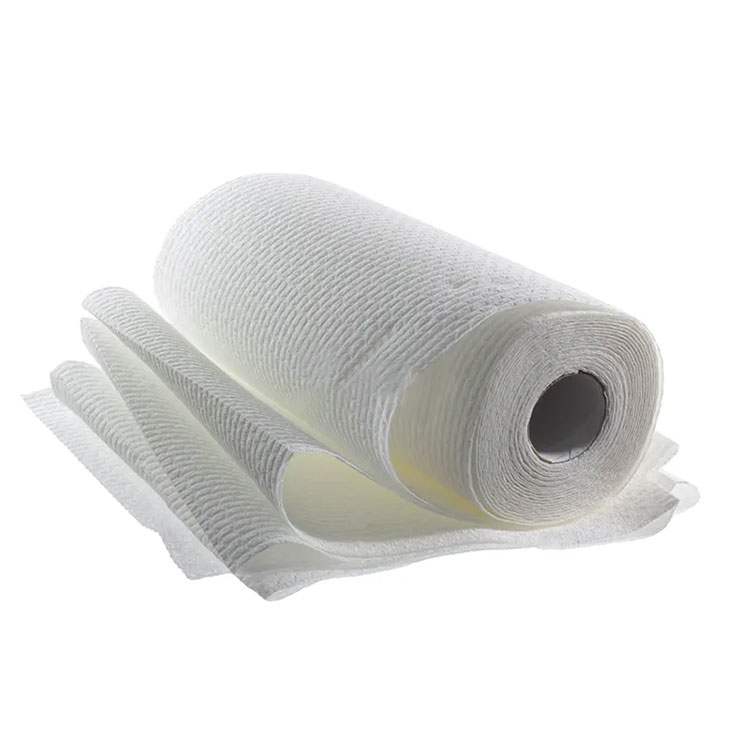
Table of Contents
- Kitchen Tissue Overview
- Common Customer Pain Points
- Types of Kitchen Tissue
- How to Choose the Right Kitchen Tissue
- Performance and Key Features
- Kitchen Tissue Comparison Table
- Practical Application Scenarios
- Frequently Asked Questions
- Conclusion and Contact Us
Kitchen Tissue Overview
Kitchen tissue is designed to provide a quick, hygienic solution for cleaning spills, wiping surfaces, drying hands, and handling food. Unlike regular paper, it combines high absorbency with strength, making it suitable for both light and heavy-duty kitchen tasks. The quality of kitchen tissue affects efficiency, hygiene, and waste management in homes, restaurants, and industrial kitchens. Ranjin produces kitchen tissue that maintains consistency across batches, ensuring reliable performance for various tasks.
Common Customer Pain Points
Customers often face recurring issues when using low-quality kitchen tissue. Understanding these pain points helps select products that improve kitchen productivity.
- Poor absorbency leading to excessive usage
- Weak tissue that tears easily during cleaning
- High dust residue leaving particles on surfaces
- Limited sheet size affecting usability
- Environmental concerns with non-recyclable products
- High cost for low-performance products
Selecting high-quality kitchen tissue from reliable suppliers such as Ranjin can prevent these issues and enhance overall kitchen performance.
Types of Kitchen Tissue
Kitchen tissue varies based on ply, material, and intended use. Understanding these types helps optimize selection for different tasks.
- Single-Ply Tissue – Lightweight, suitable for light cleaning and minimal spills
- Two-Ply Tissue – Balanced strength and absorbency, ideal for general kitchen use
- Three-Ply Tissue – High strength and absorbency for heavy-duty cleaning
- Recycled Tissue – Eco-friendly option, sustainable without compromising performance
- Patterned or Embossed Tissue – Enhanced strength and aesthetic appeal, reduces tearing
How to Choose the Right Kitchen Tissue
Choosing kitchen tissue involves evaluating multiple factors to meet specific needs in efficiency, hygiene, and environmental responsibility.
- Absorbency: Quick spill absorption reduces tissue usage
- Strength: Ensures durability for wiping and scrubbing tasks
- Ply Count: More plies generally improve absorbency and resilience
- Material: Virgin or recycled fibers depending on environmental priorities
- Size and Sheet Format: Matches dispensers and task requirements
- Cost Efficiency: Balances price with long-term usage and performance
Ranjin provides guidance for selecting kitchen tissue that aligns with usage patterns, helping customers reduce waste and improve kitchen workflow.
Performance and Key Features
High-quality kitchen tissue should demonstrate consistent performance in absorbency, strength, and usability. Key features include:
- Rapid liquid absorption for spills and surface cleaning
- Resistance to tearing under wet conditions
- Soft texture safe for hands and surfaces
- Minimal lint and residue after use
- Compatibility with standard dispensers and holders
- Eco-friendly materials meeting sustainability standards
Kitchen Tissue Comparison Table
| Tissue Type | Ply Count | Key Features | Best Use |
|---|---|---|---|
| Single-Ply | 1 | Lightweight, economical | Light cleaning, small spills |
| Two-Ply | 2 | Strong, absorbent | Daily kitchen use, general cleaning |
| Three-Ply | 3 | Extra strength, high absorbency | Heavy spills, professional kitchens |
| Recycled | 1-3 | Eco-friendly, reliable | Sustainable kitchen solutions |
Practical Application Scenarios
Kitchen tissue is versatile and can be applied in multiple scenarios for efficiency and hygiene:
- Spill management and quick cleaning in households
- Surface wiping in commercial kitchens and restaurants
- Food preparation and handling to maintain hygiene
- Disposable napkins for dining and catering
- Industrial cleaning for light liquid absorption
Frequently Asked Questions
How do I choose the right ply for my kitchen?
Two-ply is generally ideal for home kitchens; three-ply suits professional or heavy-duty environments.
Are recycled kitchen tissues as effective as virgin fiber tissues?
Yes. High-quality recycled tissues provide comparable strength and absorbency while being eco-friendly.
Can kitchen tissue handle hot liquids?
Standard kitchen tissue is designed for typical spills; extremely hot liquids may require caution to avoid tearing.
How should I store kitchen tissue to maintain quality?
Store in a dry, cool place away from direct sunlight to prevent moisture absorption and degradation.
Conclusion and Contact Us
Selecting the right kitchen tissue improves cleaning efficiency, hygiene, and user satisfaction in both homes and professional kitchens. By understanding the types, features, and performance factors, users can optimize tissue usage and reduce waste. Ranjin delivers high-quality, durable, and eco-friendly kitchen tissue designed for consistent performance and reliability.
If you want to enhance your kitchen efficiency and ensure reliable cleaning performance, contact us today to learn more about Ranjin’s kitchen tissue products and solutions tailored to your needs.