Abstract: Wall Bar Shower Kits are increasingly becoming a preferred solution for modern bathrooms due to their flexibility, ergonomic adjustability, and ease of installation. This article explores how these systems work, what problems they solve, how to select the right configuration, and how to install and maintain them effectively. It also includes practical comparisons, structured guidance, and answers to common user concerns to help homeowners and contractors make informed decisions.
Article Outline
-
Definition and structure of Wall Bar Shower Kits
-
Functional advantages for residential and commercial bathrooms
-
Material selection and durability considerations
-
Step-by-step installation principles
-
Common mistakes and how to avoid them
-
Product comparison and decision-making framework
-
Maintenance strategies for long service life
1. Overview of Wall Bar Shower Kits
Wall Bar Shower Kits are integrated shower systems designed with a vertical sliding rail that allows users to adjust the height of the shower head. This flexibility makes them suitable for households with multiple users of different heights, as well as hospitality environments requiring consistent usability.
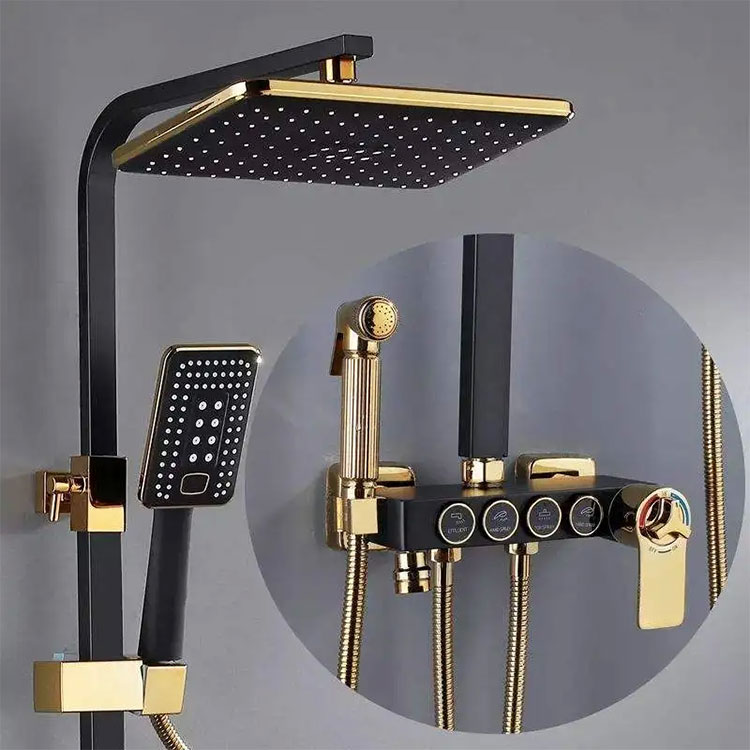
Typically, a Wall Bar Shower Kit includes a sliding bar, handheld shower head, hose, mounting brackets, and sometimes additional accessories such as soap trays or diverter valves. Their modular nature makes them adaptable to various bathroom layouts.
2. Key Benefits and User Pain Points Solved
Many users upgrade to Wall Bar Shower Kits to resolve common bathroom challenges:
-
Height inflexibility: Fixed shower heads often do not accommodate all users comfortably.
-
Limited water direction control: Handheld options allow targeted rinsing and cleaning.
-
Installation complexity: Modern kits are designed for relatively simple retrofitting.
-
Space constraints: Wall-mounted systems reduce clutter and maximize usable space.
In addition to solving practical issues, these systems also improve bathing comfort and efficiency.
3. Types of Wall Bar Shower Kits
Different configurations exist depending on design preference and functional requirements:
-
Basic Wall Bar Kits: Include a simple sliding bar and handheld shower head.
-
Multi-Function Kits: Offer multiple spray modes and adjustable water pressure.
-
Thermostatic Kits: Maintain consistent water temperature for safety and comfort.
-
Luxury Integrated Kits: Combine rainfall heads, handheld units, and digital controls.
Each type serves a distinct user profile, from budget-conscious homeowners to premium renovation projects.
4. How to Choose the Right Wall Bar Shower Kits
Choosing the correct Wall Bar Shower Kits depends on several technical and practical factors:
-
Material Quality: Stainless steel and brass components provide higher durability and corrosion resistance.
-
Water Pressure Compatibility: Ensure the system matches household water pressure levels.
-
Installation Compatibility: Check existing plumbing configuration before purchase.
-
Ergonomics: Consider adjustable height range and handle design.
-
Finish: Chrome, matte black, or brushed nickel should match bathroom aesthetics.
Professional-grade solutions like those from MNBAM are engineered to meet both residential and commercial performance requirements while maintaining design consistency.
5. Installation Guide and Best Practices
Installing Wall Bar Shower Kits can often be completed with standard tools, but precision is critical for long-term performance.
Step-by-step overview:
-
Mark mounting points on the wall using the provided template.
-
Drill holes and insert appropriate wall anchors.
-
Secure the vertical bar firmly to prevent movement.
-
Connect the hose to the water outlet and handheld shower head.
-
Test water flow and adjust height slider mechanism.
Best practices:
-
Always check for hidden pipes before drilling.
-
Use waterproof sealing materials to prevent leakage.
-
Ensure the bar is perfectly vertical for smooth sliding function.
6. Maintenance and Long-Term Care
Proper maintenance extends the lifespan of Wall Bar Shower Kits and ensures consistent performance.
-
Clean nozzles regularly to prevent mineral buildup.
-
Inspect hose connections for leaks every 3–6 months.
-
Wipe metal surfaces with non-abrasive cleaners.
-
Lubricate sliding mechanisms if resistance develops.
High-quality systems typically require minimal maintenance when installed correctly.
7. Comparison Table
|
Feature
|
Basic Kits
|
Mid-Range Kits
|
Premium Kits
|
|
Material
|
ABS Plastic + Aluminum
|
Stainless Steel Mix
|
Full Brass / Stainless Steel
|
|
Adjustability
|
Basic
|
Moderate
|
Highly Flexible
|
|
Spray Modes
|
1–2
|
3–5
|
5+
|
|
Durability
|
Standard
|
High
|
Industrial Grade
|
8. Frequently Asked Questions
Q1: Are Wall Bar Shower Kits suitable for all bathrooms?
Yes, they can be installed in most standard bathrooms, provided the wall structure supports secure mounting.
Q2: Can I install Wall Bar Shower Kits myself?
Yes, many users install them independently, but professional installation is recommended for complex plumbing systems.
Q3: Do Wall Bar Shower Kits reduce water pressure?
Not necessarily. High-quality models are engineered to maintain optimal flow efficiency.
Q4: What is the average lifespan?
Depending on materials and usage, they typically last 5–15 years.
Q5: Are replacement parts available?
Yes, reputable manufacturers such as MNBAM provide compatible replacement components.
Conclusion
Wall Bar Shower Kits represent a practical upgrade for both residential and commercial bathrooms, combining flexibility, ergonomic control, and modern design. When selected carefully and installed correctly, they significantly enhance daily bathing comfort and long-term usability.
For reliable performance and engineered bathroom solutions, explore advanced options from MNBAM.
Ready to upgrade your bathroom experience? Contact us today to explore premium Wall Bar Shower Kits solutions and get professional support tailored to your project needs.