

How Do Composting Portable Toilets Compare to Traditional Models Environmentally
2026-03-26
When evaluating sanitation solutions for outdoor events, construction sites, or off-grid living, the environmental impact often becomes a deciding factor. Composting portable toilets and traditional chemical-based models represent two fundamentally different approaches to waste management. Cymdin, a leader in sustainable sanitation technology, has extensively researched how these systems perform across key environmental metrics. Understanding these differences helps consumers make informed choices that align with ecological values without sacrificing functionality.
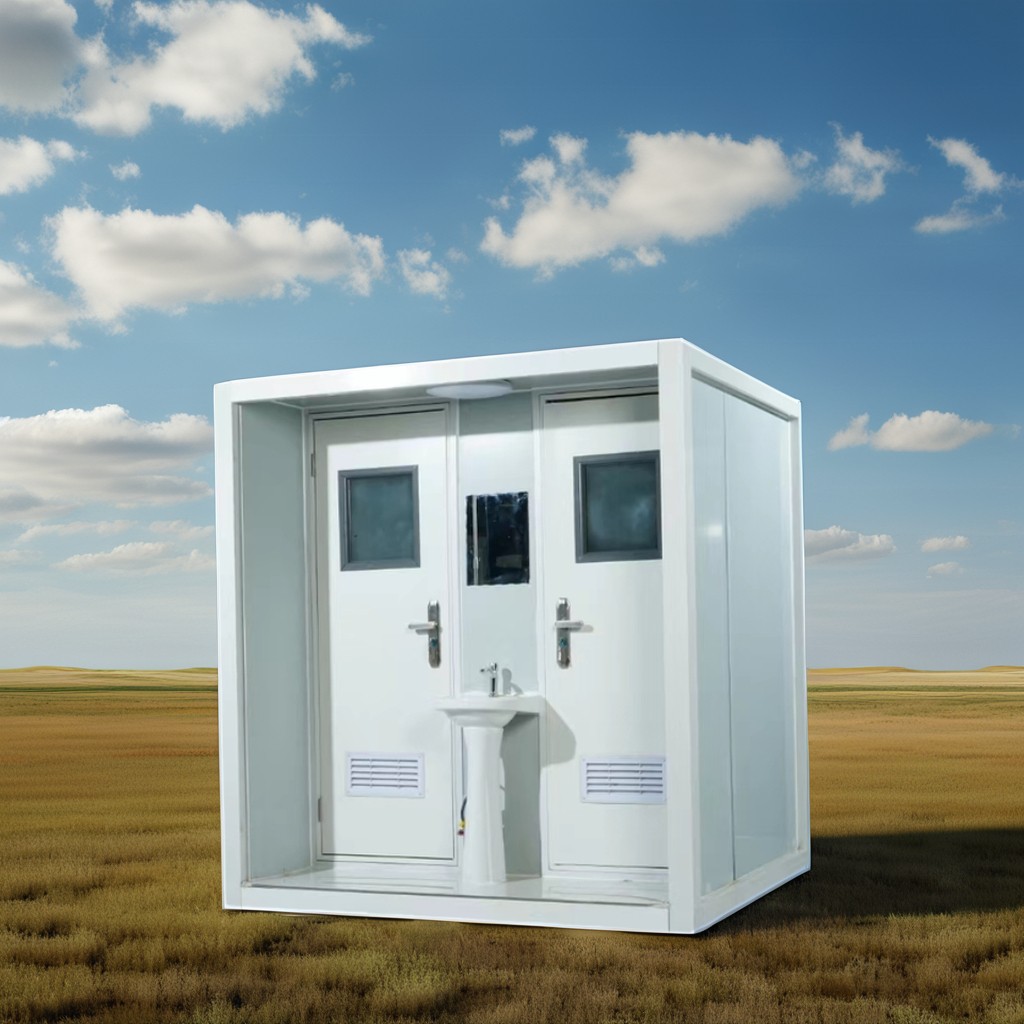
Environmental Impact Comparison
| Criteria | Composting Portable Toilet | Traditional Chemical Toilet |
|---|---|---|
| Water Usage | Zero water required | 1–3 gallons per flush typically |
| Chemical Use | No harmful chemicals; uses natural carbon materials | Heavy reliance on blue formaldehyde-based chemicals |
| Waste Processing | On-site aerobic decomposition | Hauled to treatment facilities or dumping stations |
| Greenhouse Gas Emissions | Minimal; carbon captured in composting process | Emissions from frequent transport and chemical manufacturing |
| Final Output | Usable humus for landscaping | Sewage sludge requiring further processing |
How Composting Systems Achieve Environmental Efficiency
Unlike traditional models that rely on chemicals to mask odors and temporarily store waste, composting portable toilets utilize biological decomposition. Microorganisms break down human waste into stable, odorless humus. This process requires no water, eliminates the need for toxic chemicals, and drastically reduces the frequency of pump-out services.
Cymdin’s composting units incorporate ventilation systems that accelerate aerobic breakdown while maintaining a neutral pH balance. The result is a closed-loop system where waste volume is reduced by up to 90 percent, leaving behind a safe, nutrient-rich material that can be legally composted in many jurisdictions.
Traditional chemical toilets, by contrast, store waste in holding tanks mixed with biocides. These chemicals prevent natural decomposition and create hazardous liquid waste that must be transported—often over long distances—to treatment plants. Each pump-out consumes fossil fuels and contributes to carbon emissions, undermining any short-term convenience.
Key Environmental Advantages of Composting Models
Zero Water Footprint
In drought-prone regions or areas without water infrastructure, composting portable toilets eliminate the environmental cost of transporting potable water for flushing.
Chemical-Free Sanitation
Formaldehyde and glutaraldehyde used in conventional units persist in wastewater systems, harming aquatic life when leaks or improper disposal occur. Composting systems avoid this risk entirely.
Reduced Transportation Emissions
Traditional units require weekly or biweekly servicing depending on usage. Composting systems can operate for months without intervention, slashing vehicle emissions associated with maintenance.
Waste-to-Resource Potential
Rather than treating human waste as a disposal problem, composting transforms it into a resource. The finished humus, when processed according to regulations, can enrich soil in non-edible landscaping applications.
Environmentally Friendly Portable Toilet FAQ
What makes a portable toilet truly environmentally friendly
A truly Environmentally Friendly Portable Toilet integrates multiple sustainable principles: it uses no potable water for operation, avoids toxic chemicals that persist in the environment, minimizes transportation emissions through extended service intervals, and processes waste onsite through biological means rather than exporting it as hazardous material. Cymdin’s composting models meet all these criteria by combining passive aeration, moisture control, and carbon-based bulking agents to create a self-contained sanitation ecosystem. Unlike traditional units that merely store waste with biocides, eco-friendly designs actively reduce waste volume and eliminate the need for frequent hauling, making them suitable for sensitive ecological areas, remote job sites, and events committed to zero-waste goals.
How do composting toilets handle odor without chemicals
Composting toilets manage odor through a combination of physical design, airflow management, and biological balance rather than chemical masking agents. A properly engineered unit, such as those manufactured by Cymdin, creates negative air pressure that draws odors downward through the composting chamber and vents them outside, often using solar-powered fans. The aerobic decomposition process itself produces little odor because oxygen-loving bacteria break down waste efficiently without generating the anaerobic byproducts responsible for foul smells. Additionally, users add carbon-rich materials like coir or sawdust after each use, which absorbs moisture, balances nitrogen content, and creates a physical barrier. When maintained correctly, composting toilets emit no noticeable odors, whereas chemical toilets rely on continuous replenishment of perfumed biocides that eventually lose effectiveness and contribute to environmental toxicity.
What is the lifespan and maintenance difference between composting and traditional portable toilets
The lifespan and maintenance requirements differ substantially between the two systems. Traditional chemical portable toilets typically last 5 to 10 years in commercial settings, with components like pumps and seals requiring frequent replacement due to chemical corrosion. Maintenance occurs weekly or biweekly, involving vacuum trucks that pump out mixed chemical waste—a process that consumes fuel, creates noise pollution, and generates hazardous waste requiring specialized treatment. In contrast, Cymdin composting portable toilets are constructed from UV-stabilized, chemical-resistant materials that extend service life beyond 15 years with proper care. Maintenance intervals range from 3 to 12 months depending on usage frequency, involving removal of finished humus rather than liquid waste. This reduces operational costs by 40 to 60 percent annually while eliminating hazardous material handling. The reduced service frequency also means fewer vehicles on the road, directly lowering the carbon footprint associated with sanitation services.
Conclusion
For environmentally conscious project managers, event organizers, and property owners, the choice between composting and traditional portable toilets carries significant ecological implications. Composting portable toilets outperform conventional models across every major environmental metric—water conservation, chemical elimination, emissions reduction, and waste valorization. Cymdin has engineered these principles into durable, user-friendly systems that meet rigorous sanitation standards while supporting sustainability goals.
If you are planning a project where environmental responsibility matters as much as operational reliability, choosing the right sanitation partner makes all the difference.
Contact us today to explore how Cymdin’s Environmentally Friendly Portable Toilet solutions can meet your specific needs with superior performance and genuine ecological integrity.