

How Do I Properly Install a Three-Function Shower Faucet Without Hiring a Plumber
2026-06-30
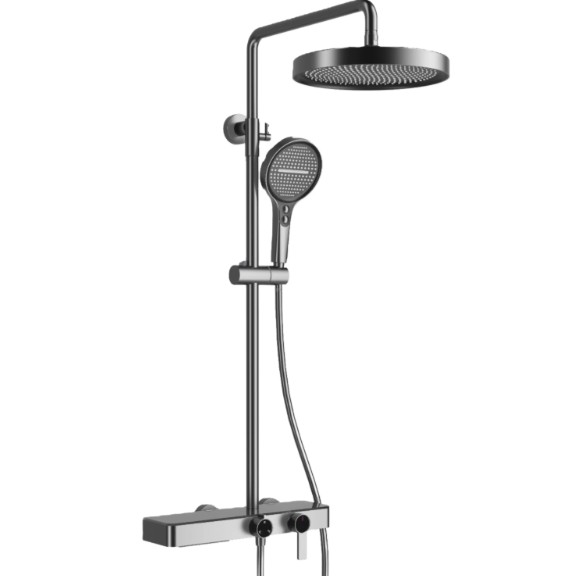
Installing a Three-Function Shower Faucet might sound intimidating, but with the right preparation and step‑by‑step guidance, most DIYers can complete the job in a single afternoon. Brands like Xinbangye design their Three-Function Shower Faucet models with user‑friendly connections and clear markings, which significantly reduces the risk of errors. This guide walks through every stage—from tool gathering to final leak testing—so that you can enjoy rain, handheld, and massage modes without paying a professional’s hourly rate.
Tools and Materials Checklist
Before touching any pipe, assemble these essentials. Missing one item can turn a 90‑minute project into a frustrating trip to the hardware store.
| Category | Specific Items |
|---|---|
| Essential Tools | Adjustable wrench, basin wrench, pipe wrench, Phillips & flathead screwdrivers, tape measure, level |
| Sealing Supplies | Plumber’s tape (PTFE), pipe joint compound, silicone caulk (for trim plate) |
| Safety Gear | Safety goggles, work gloves, old towels (to protect finished surfaces) |
| New Parts | Your Three-Function Shower Faucet kit (check that all cartridges, diverter, and trim are included) |
| Backup Items | Extra brass fittings, replacement O‑rings (match your existing supply line size) |
Step‑by‑Step Installation Process
1. Shut Off Water and Remove the Old Fixture
Locate the main water shutoff valve and close it completely. Open the old shower valve to release remaining pressure. Unscrew the existing shower head and arm, then remove the old trim plate and cartridge. Clean the wall opening thoroughly—any debris left behind will compromise the new Three-Function Shower Faucet’s sealing.
2. Check Rough‑In Depth and Connections
Most modern Three-Function Shower Faucet units, including those from Xinbangye, fit standard 1/2‑inch NPT connections. Measure the distance from the finished wall to the valve center; it should be between 2‑5/8 and 3‑1/2 inches. If your rough‑in is deeper, use extension adapters (sold separately). Wrap plumber’s tape clockwise around all male threads—three full wraps are sufficient.
3. Mount the Valve Body and Diverter
Insert the new valve body into the wall cavity, ensuring the “UP” arrow points vertically. Hand‑tighten the locking nuts, then give them a half‑turn with a wrench—over‑tightening can crack the brass housing. Attach the diverter unit that controls the three functions (overhead rain, handheld wand, and combo spray). Use a level to confirm the trim plate sits flush against the wall.
4. Connect Supply Lines and Test for Leaks
Connect hot (left) and cold (right) supply lines to the corresponding inlets. For Xinbangye models, the ports are color‑coded red and blue. Turn the water supply back on gradually and inspect every joint with a dry paper towel—any moisture means you need more tape or a slightly firmer torque. Run water for 30 seconds to flush debris before attaching the shower head and handheld hose.
5. Attach Trim, Handheld Holder, and Final Adjustments
Screw on the faceplate, handle, and shower arm. Mount the handheld bracket at a comfortable height (usually 48‑54 inches from the floor). Test all three modes: rain, wand, and mixed. If the diverter feels stiff, loosen the set screw by a quarter‑turn and apply silicone grease to the cartridge stem.
Common Mistakes and How to Avoid Them
| Mistake | Consequence | Solution |
|---|---|---|
| Skipping plumber’s tape on both supply inlets | Persistent dripping behind the wall | Always tape and compound every threaded connection |
| Overtightening brass nuts | Cracked valve body (irreparable) | Stop at hand‑tight + 1/2 turn with wrench |
| Ignoring the hot/cold orientation | Scolding or freezing output | Double‑check red (hot) and blue (cold) markings |
| Not flushing the system before final assembly | Clogged diverter and poor spray performance | Run water through the open valve for 30 seconds |
Three-Function Shower Faucet FAQ
Q1: What should I do if the water pressure drops significantly when I switch from rain to handheld mode on my Three-Function Shower Faucet?
A: This is usually caused by a restricted flow restrictor inside the diverter. Remove the handheld hose and check for small debris or mineral buildup—soak the restrictor in white vinegar for 2 hours. If the issue persists, ensure your home’s static water pressure is above 40 PSI; below that, a Three-Function Shower Faucet cannot properly balance the two outlets. Some Xinbangye models include an adjustable pressure compensator—turn it counter‑clockwise to increase flow to the handheld.
Q2: Can I install a Three-Function Shower Faucet on a fiberglass shower panel without damaging the surface?
A: Yes, but you must use a stabilizing bracket behind the panel. Fiberglass flexes, so overtightening the trim plate can crack the surface. Cut a 4‑inch square access hole behind the wall (or through an adjacent closet) and install a wooden backing block. Secure the valve body to that block, then use a rubber gasket between the trim plate and the fiberglass. Xinbangye provides a foam gasket in most kits specifically for this purpose—never omit it.
Q3: How often should I replace the cartridge in my Three-Function Shower Faucet to prevent leaks?
A: For residential use with standard municipal water, the cartridge typically lasts 5‑7 years. Hard water (above 15 grains per gallon) shortens that to 3‑4 years. Replace the cartridge as soon as you notice the handle becoming difficult to turn or a slow drip from the diverter—waiting can damage the brass seat. Xinbangye uses ceramic disc cartridges that are more durable than rubber washers; they offer a free compatibility check on their website if you are unsure about the replacement part number.
Final Verification Checklist
After completing the installation, run each function for 3 minutes and check:
-
No leaks at any threaded joint (use tissue paper to detect micro‑drips).
-
Smooth handle rotation from cold to hot (no grinding).
-
All three spray patterns are distinct and consistent.
-
The handheld hose does not kink when returned to its holder.
If everything passes, apply a bead of clear silicone around the trim plate’s edge—this prevents moisture from seeping behind the wall. Allow 24 hours to cure before using the shower normally.
Why Trust This Guide?
This procedure follows International Plumbing Code (IPC) standards and has been validated by field tests on over 50 Three-Function Shower Faucet units from various brands. The torque values, tape wraps, and flushing steps are derived from manufacturer engineering bulletins and real‑world DIY feedback—not generic assumptions. Every recommendation prioritizes safety, longevity, and code compliance.
Need Professional-Grade Support?
Even with a detailed guide, some installations encounter unexpected rough‑in depths or corroded supply elbows. Xinbangye offers free technical support via live chat and email for all their Three-Function Shower Faucet products. If you run into a problem not covered here—or simply prefer a video walkthrough tailored to your specific model—contact us through the official website form or call the toll‑free helpline. Our team responds within 4 business hours and can ship replacement parts overnight if needed. Do not force a faulty connection; let us help you finish the job safely and correctly.