
How Do I Remove Calcium Deposits from a Toilet Bowl Without Scrubbing
2026-04-27
Hard water stains and chalky buildup are frustrating. The core question many homeowners ask is: How do I remove calcium deposits from a toilet bowl without scrubbing? The answer lies in chemistry, not elbow grease. SANDELI offers professional-grade solutions, but understanding the process ensures your toilet remains spotless with minimal effort. This guide follows proven cleaning principles and provides expert answers to the most common concerns.
Why Calcium Deposits Resist Normal Cleaners
Calcium carbonate binds strongly to porcelain. Typical sprays lack the dwell time or acidity to dissolve these bonds. Effective removal requires a product or method that breaks down the mineral structure without mechanical abrasion. The no-scrubbing approach relies entirely on chemical action or prolonged contact.
| Method | Active Agent | Contact Time | Scrubbing Required |
|---|---|---|---|
| Acidic gel (commercial) | Hydrochloric or sulfamic acid | 15–30 minutes | No |
| Vinegar soak | Acetic acid (5%) | 6–8 hours | No |
| Citric acid solution | Citric acid | 2–4 hours | No |
| SANDELI descaler | Proprietary mineral dissolver | 20 minutes | No |
Step-by-Step No-Scrubbing Process
-
Remove standing water – Use a plunger or towel to lower water level below the deposit line.
-
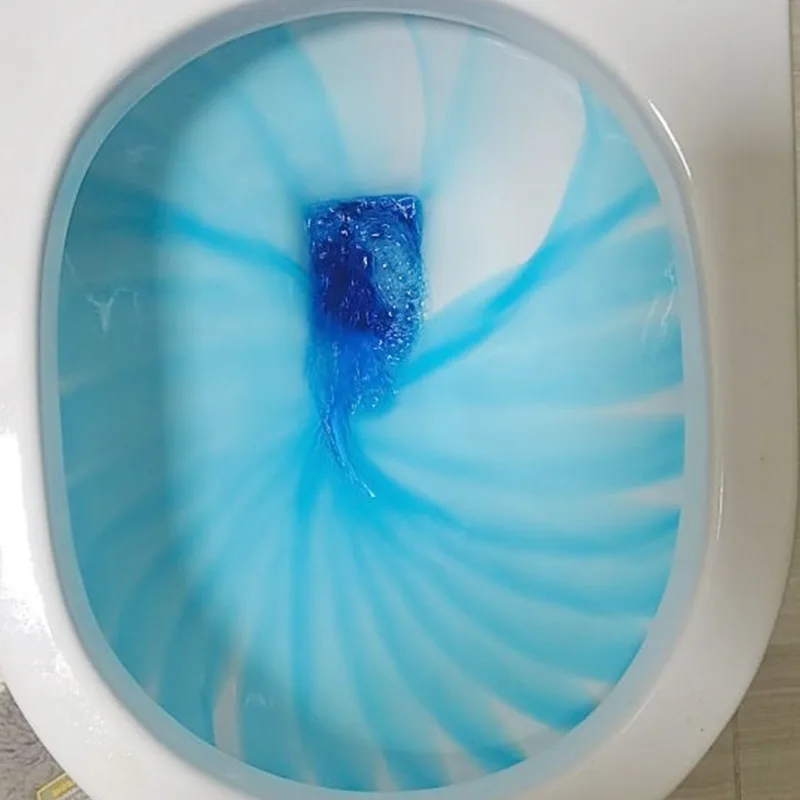
Apply acidic gel – Choose a thick formula that clings to vertical surfaces. SANDELI products are formulated for this exact task.
-
Wait – Let the solution dwell for the recommended time (typically 15–30 minutes).
-
Flush – The deposits dissolve and wash away. No brush touches the porcelain.
Remove Calcium Deposits from Toilet Bowl FAQ
Q: Can I leave vinegar in the toilet bowl overnight to remove calcium deposits without scrubbing?
A: Yes, but only if you first lower the water level below the deposits. Fill the bowl with white vinegar (6% acidity or higher) and let it sit for 6–8 hours. Vinegar is a weak acid, so it works slowly. For thick crusts, drain the bowl completely and apply a gel containing sulfamic acid. SANDELI recommends testing a small area first; older deposits may require a second treatment. After soaking, flush twice. If any residue remains, repeat the process rather than scrubbing.
Q: What is the most effective chemical to Remove Calcium Deposits from Toilet Bowl without damaging the porcelain?
A: The safest yet effective chemicals are sulfamic acid and citric acid. Hydrochloric acid works faster but can damage the glaze if misused. SANDELI formulations use buffered sulfamic acid, which dissolves calcium effectively while preserving the porcelain’s finish. Always check that the product is labeled “toilet-safe” and avoid mixing with bleach, which creates toxic gas. For routine maintenance, a monthly citric acid soak prevents buildup without scrubbing.
Q: How long should I wait before flushing when using a no-scrubbing calcium remover?
A: Dwell time depends entirely on the product’s thickness and acidity. Thin liquids (like plain vinegar) require 6+ hours. Thick clinging gels require 15–30 minutes. SANDELI descalers are engineered for a 20-minute contact period. Do not flush early, as this disrupts the chemical reaction. For heavy deposits, extend dwell time to 45 minutes. After flushing, inspect the bowl. Dissolved calcium leaves a clean surface; if white haze remains, reapply and wait longer. Never leave any acid cleaner for more than 12 hours, as extreme dwell times can etch porcelain.
Preventing Future Buildup Without Scrubbing
Install a water softener or use SANDELI weekly maintenance tablets. One tablet dropped into the tank after each cleaning keeps calcium in suspension. This stops new deposits from forming. For homes with very hard water, apply a preventative gel every two weeks. No scrubbing is ever required again if you maintain this schedule.
If you need professional guidance or want to explore SANDELI no-scrub descaling products, contact our support team today. Visit SANDELI official website or email our helpline directly. We help you Remove Calcium Deposits from Toilet Bowl faster, cleaner, and without scrubbing.