

How Do You Fix Low Water Pressure in a Kitchen Sink Faucet
2026-09-21
A sudden drop in water flow can turn everyday tasks into a frustrating chore. Whether you are rinsing vegetables or filling a pot, a weak stream from your Kitchen Sink Faucet signals a problem that needs attention. At BOYU, we have spent years helping homeowners diagnose and resolve these issues with reliable, long-lasting solutions. This guide walks you through the most common causes and proven fixes, so you can restore full pressure without guessing.
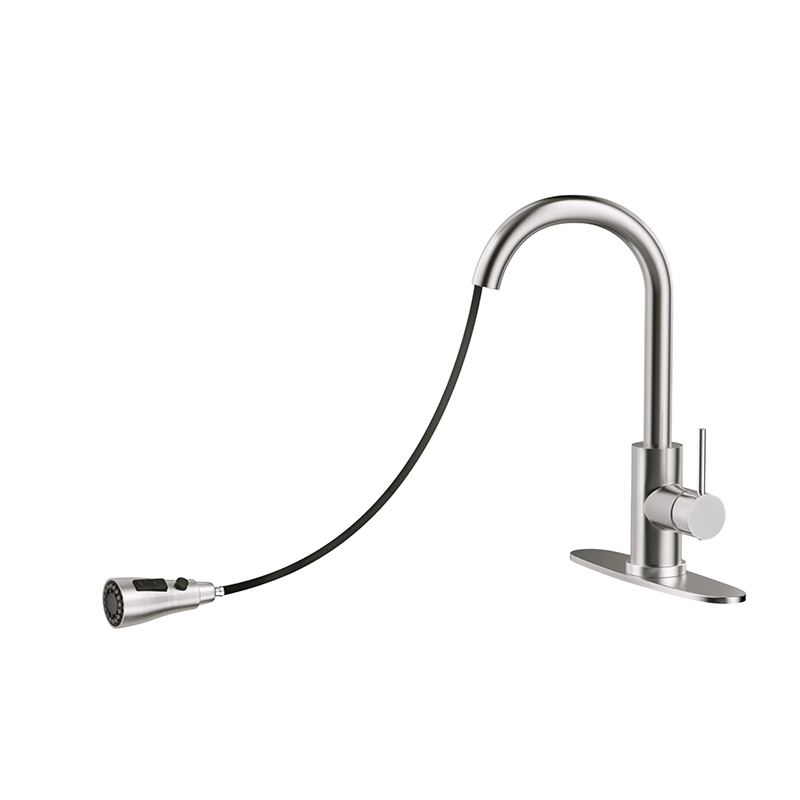
Common Causes of Low Water Pressure
Before reaching for tools, identify the likely source. Most cases fall into one of five categories:
-
Clogged aerator – mineral deposits block the screen
-
Worn cartridge or valve – internal seals degrade over time
-
Supply line kinks – flexible hoses get pinched behind the cabinet
-
Shut-off valve issues – valves are partially closed or failing
-
Sediment buildup – debris enters from aging pipes
Diagnostic Checklist
| Symptom | Likely Cause | Recommended Action |
|---|---|---|
| Low pressure at one faucet only | Clogged aerator | Remove and soak in vinegar |
| Low pressure at all fixtures | Main supply problem | Check main shut-off valve |
| Pressure drops when using hot water | Worn cartridge | Replace cartridge |
| Sporadic flow with sputtering | Air in lines or sediment | Flush supply lines |
| Reduced flow after new installation | Kinked supply line | Straighten or replace hose |
Step-by-Step Fixes
1. Clean the Aerator
Unscrew the aerator from the spout tip. Soak it in white vinegar for 30 minutes, then scrub with a soft brush. This single step resolves nearly half of all low-pressure complaints.
2. Inspect the Supply Lines
Turn off the water supply and disconnect the lines. Check for kinks, twists, or debris. BOYU recommends replacing old rubber hoses with braided stainless steel lines for consistent flow.
3. Replace the Cartridge
If pressure is fine elsewhere but weak at the faucet, the cartridge is the prime suspect. Remove the handle, extract the cartridge, and match it with a BOYU replacement part for a precise fit.
4. Check the Shut-Off Valves
Under the sink, confirm both hot and cold valves are fully open. A quarter-turn can make a noticeable difference.
5. Flush the System
Close the valves, disconnect the Kitchen Sink Faucet, and briefly open the valves to clear sediment. Reconnect and test.
Frequently Asked Questions
Why does my Kitchen Sink Faucet lose pressure only in winter?
Cold temperatures can cause pipes to contract and increase mineral deposition, narrowing the flow path. Insulating exposed pipes and cleaning the aerator more frequently in winter usually resolves this seasonal issue.
Can a faulty Kitchen Sink Faucet cartridge cause low pressure in both hot and cold water?
Yes. A single-handle faucet uses one cartridge to mix both temperatures. When that cartridge wears out or clogs, the restriction affects both hot and cold flow, so replacing it restores pressure on both sides.
How do I know if my Kitchen Sink Faucet needs replacement instead of repair?
If the body is cracked, corroded beyond cleaning, or older than 15 years, replacement is more cost-effective. Persistent leaks after cartridge and aerator service also point to a failing fixture that BOYU can help you replace with confidence.
When to Call a Professional
If you have completed these steps and pressure remains low, the issue may lie in the main water line or a hidden pipe obstruction. A licensed plumber can perform a pressure test and camera inspection.
BOYU stands behind every Kitchen Sink Faucet we manufacture, offering durable designs that resist sediment and maintain strong flow for years. Our support team is ready to help you troubleshoot or select the right replacement.
Contact us today to speak with a BOYU specialist, request a product recommendation, or order genuine replacement parts. Let us help you bring full pressure back to your kitchen.