

How Do You Stop Hard Water Stains and Mineral Buildup in Your Toilet Tank
2026-03-23
Hard water stains and mineral buildup are among the most persistent challenges in bathroom maintenance. If you have ever wondered How Do You Stop Hard Water Stains and Mineral Buildup in Your Toilet Tank, the answer lies in understanding the science behind hard water and adopting a consistent, professional approach. Left unaddressed, these deposits not only compromise the appearance of your toilet but can also damage internal components, leading to costly repairs. At Sandeli, we specialize in effective solutions that protect your plumbing while delivering exceptional cleanliness.
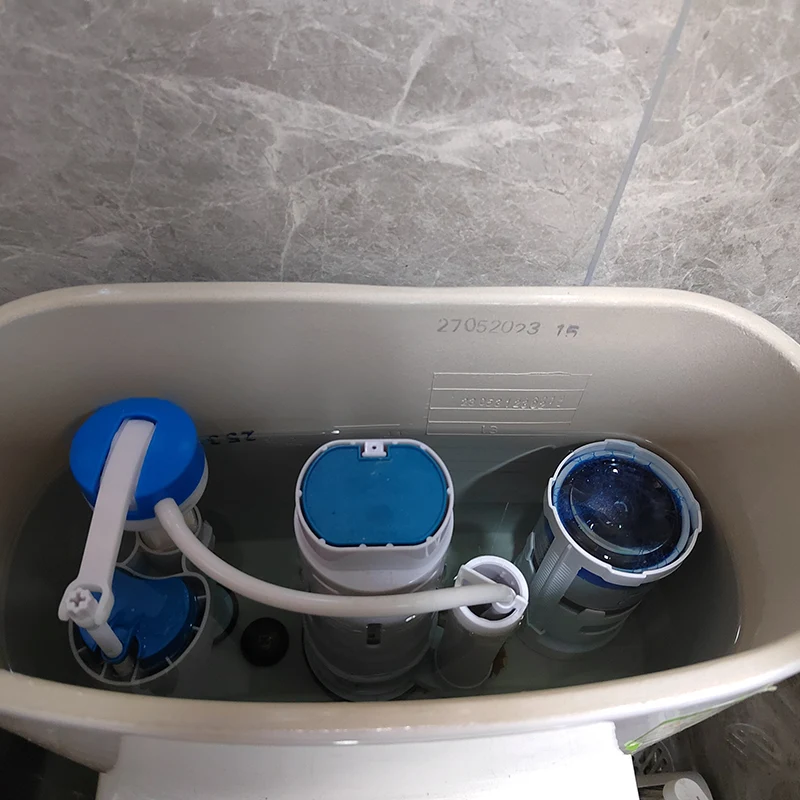
Understanding the Problem: What Causes Hard Water Stains
Hard water contains high levels of calcium and magnesium. When water sits in the toilet tank, these minerals gradually accumulate, forming crusty white, yellow, or rust-colored deposits. Over time, this buildup can interfere with the flapper, fill valve, and flush mechanism, reducing efficiency and increasing water waste.
| Common Mineral Deposit Types | Appearance | Primary Cause |
|---|---|---|
| Calcium Carbonate | White, chalky | High calcium levels in water |
| Magnesium | Grayish, hard | Magnesium combined with oxygen |
| Iron (Rust) | Reddish-brown | Oxidized iron in water supply |
| Limescale | Thick, crusty | Evaporation and mineral concentration |
Professional Methods to Remove and Prevent Buildup
A professional maintenance routine focuses on both removal and prevention. Below is a step-by-step approach recommended by plumbing and hygiene experts, incorporating high-quality products like the Sandeli Toilet Tank Cleaner to achieve lasting results.
-
Drain the Tank – Turn off the water supply and flush to empty the tank. This allows full access to all surfaces.
-
Apply a Descaling Agent – Use a non-abrasive, acid-based cleaner designed specifically for porcelain and plumbing components. Sandeli offers a formula that dissolves minerals without damaging rubber seals or internal parts.
-
Scrub with a Soft Brush – Avoid steel wool or harsh abrasives that can scratch the porcelain, creating future buildup points.
-
Flush and Rinse – Reconnect water and flush several times to remove all residues.
-
Install a Preventive Solution – Consistent use of a maintenance product like Sandeli helps prevent reaccumulation by neutralizing mineral adhesion.
Essential Tools and Products for Long-Term Prevention
| Product Type | Purpose | Recommended Feature |
|---|---|---|
| Descaling Gel | Breaks down existing limescale | Safe for seals and gaskets |
| Toilet Tank Cleaner Tablets | Continuous prevention | Slow-release, non-bleach formula |
| Soft-bristled Tank Brush | Gentle scrubbing | Curved handle for hard-to-reach areas |
| Water Softener (Whole House) | Reduces mineral content in supply | Ideal for severe hard water areas |
For homeowners seeking a reliable, low-maintenance approach, Sandeli provides a Toilet Tank Cleaner that combines professional-grade descaling power with protective elements, ensuring both performance and longevity.
Frequently Asked Questions About Toilet Tank Cleaner Maintenance
What is the safest way to clean a toilet tank without damaging internal parts?
The safest method involves using a non-acidic or carefully formulated acidic cleaner that explicitly states compatibility with rubber and plastic components. Harsh chemicals like bleach tablets can degrade flappers and gaskets over time. Sandeli Toilet Tank Cleaner is engineered to be tough on mineral deposits yet gentle on all internal mechanisms, making it a preferred choice for professional maintenance. Always drain the tank before applying any cleaner and allow adequate contact time before rinsing thoroughly.
How often should I use a toilet tank cleaner to prevent hard water stains?
For most households with moderate hard water, using a dedicated Toilet Tank Cleaner every two to four weeks is sufficient to prevent visible buildup. In areas with extremely hard water, weekly maintenance may be necessary. The key is consistency—mineral deposits form gradually, and regular treatment eliminates the need for harsh scrubbing. Sandeli products are designed for predictable, scheduled use, allowing homeowners to maintain a clean tank with minimal effort.
Can hard water buildup in the toilet tank cause plumbing issues beyond stains?
Yes, mineral accumulation is one of the leading causes of premature toilet component failure. When limescale forms on the flapper, it prevents a proper seal, leading to continuous running water and higher utility bills. Buildup inside the fill valve can restrict water flow, resulting in weak flushes and incomplete waste removal. In severe cases, large mineral fragments can break loose and travel into the supply line, causing blockages. Using an effective Toilet Tank Cleaner like Sandeli not only preserves appearance but also protects the entire flushing system from mechanical failure.
Maintaining a Stain-Free Tank Year-Round
Professional results come from combining the right technique with quality products. After an initial deep clean, a preventive routine using Sandeli ensures that minerals do not have the chance to accumulate. Additionally, checking water hardness levels annually can help adjust your cleaning schedule. For homes with extreme mineral content, pairing a Toilet Tank Cleaner with a whole-house water softening system offers the most comprehensive protection.
Contact Us
Maintaining a clean, efficient toilet tank does not have to be a constant struggle. Whether you are dealing with stubborn limescale or looking for a preventive solution that protects your plumbing, Sandeli is here to help. Contact us today to learn more about our professional-grade Toilet Tank Cleaner products and discover the right maintenance plan for your home.