

How Does a Bidet Faucet Fit Into Today’s Bathroom Plumbing Standards?
2025-12-15
A bidet faucet is a compact, manually controlled sanitary fixture designed to deliver targeted water flow for personal cleansing. Installed adjacent to or integrated with existing toilet plumbing, it offers a hygienic alternative to traditional paper-based methods while aligning with contemporary residential and commercial plumbing standards.
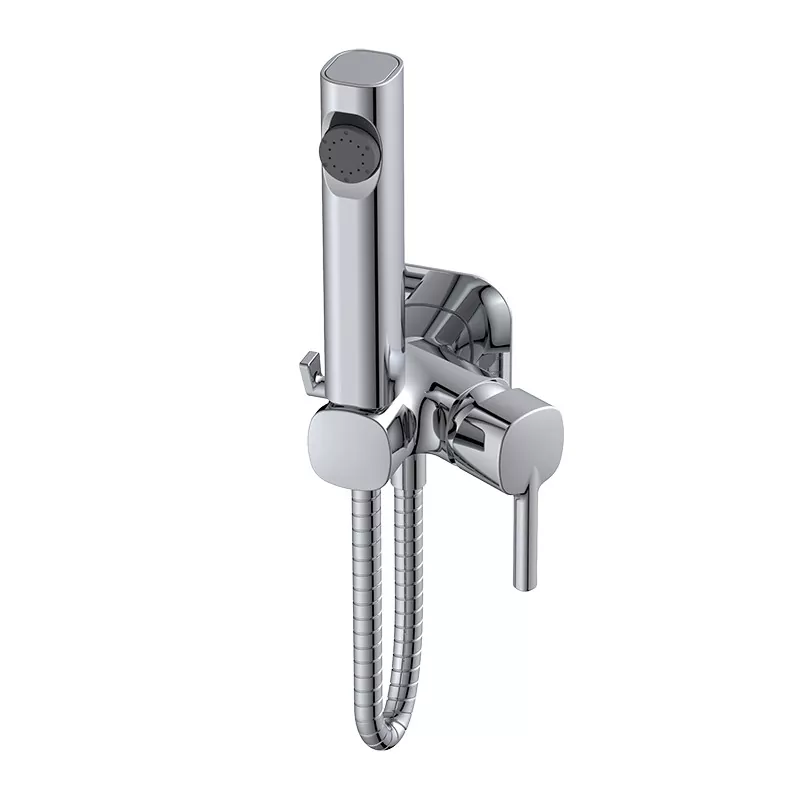
Unlike full bidet toilets, a bidet faucet relies on precise mechanical control, durable materials, and standardized connections to ensure consistent water delivery. Its growing adoption across North America, Europe, and parts of Asia reflects increasing attention to water efficiency, personal hygiene awareness, and space-conscious bathroom design. Understanding the technical configuration of a bidet faucet is essential for installers, distributors, and end users who require compatibility, reliability, and long-term operational stability.
The following technical specifications represent a standard configuration commonly adopted in professionally engineered bidet faucet products:
| Parameter | Specification |
|---|---|
| Body Material | Solid brass with corrosion-resistant surface treatment |
| Valve Type | Ceramic disc cartridge |
| Water Pressure Range | 0.1–0.6 MPa |
| Inlet Connection | G1/2” or G3/8” standard thread |
| Flow Rate | 4–6 L/min (pressure-dependent) |
| Operating Temperature | Cold water or mixed water up to 60°C |
| Installation Method | Wall-mounted or toilet-side mounted |
| Surface Finish | Chrome, brushed nickel, matte black (optional) |
| Compliance | CE, UPC, WRAS (market-dependent) |
These parameters determine not only usability but also regulatory acceptance in different regions. Material selection directly affects durability and hygiene, while valve precision governs flow control and leak prevention. Standardized threading ensures compatibility with existing plumbing infrastructure, reducing installation complexity and long-term maintenance risk.
How Does a Bidet Faucet Improve Daily Hygiene Practices?
From a functional standpoint, a bidet faucet introduces controlled water cleansing into daily bathroom routines. The mechanism relies on manual actuation, allowing users to regulate both pressure and duration according to personal preference. This level of control supports thorough cleaning while minimizing unnecessary water usage.
Water-based cleansing reduces residual contaminants that may remain after dry wiping methods. For households prioritizing cleanliness, especially in shared or high-use environments, this approach supports consistent hygiene standards. The bidet faucet’s directional spray design enables focused application, reducing splash and maintaining surrounding surface cleanliness when properly installed.
In healthcare-informed households, bidet faucets are often selected for users with mobility considerations, post-operative recovery needs, or skin sensitivity. The absence of electrical components simplifies operation and eliminates dependency on power sources, which can be a deciding factor in regions with strict electrical safety regulations in wet areas.
From an installation perspective, compatibility with existing angle valves and cold-water supply lines allows bidet faucets to be retrofitted without structural renovation. This adaptability has contributed to steady adoption in rental properties and commercial restrooms where permanent fixture replacement is impractical.
How Are Bidet Faucets Influencing Bathroom Fixture Development?
The increasing presence of bidet faucets has influenced how manufacturers and designers approach bathroom fixture ecosystems. Rather than standalone products, bidet faucets are now engineered to integrate seamlessly with toilets, concealed cisterns, and wall-mounted plumbing systems.
Manufacturing trends emphasize precision machining and surface treatments that resist mineral buildup and bacterial adhesion. Advances in ceramic cartridge engineering have extended service life while maintaining smooth operation under variable water pressure conditions. These developments align with broader plumbing industry movements toward longevity and reduced maintenance cycles.
Regulatory bodies in several regions are refining guidelines related to backflow prevention and pressure balancing. As a result, newer bidet faucet models increasingly incorporate check valves and reinforced internal pathways to meet compliance requirements. This evolution reflects a shift from accessory status toward recognition as a standardized sanitary fitting.
Market data indicates growing demand in hospitality and residential construction projects where flexibility and user choice are prioritized. Rather than prescribing a single integrated solution, developers are opting for modular fixtures that allow occupants to customize usage. In this context, the bidet faucet functions as a scalable solution adaptable to diverse user expectations.
Common Questions About Bidet Faucets
How is a bidet faucet different from a bidet toilet seat?
A bidet faucet is a manually operated water spray device connected directly to the plumbing supply, while a bidet toilet seat integrates automated washing functions into the seat itself; the faucet offers mechanical simplicity, easier installation, and fewer electrical or electronic dependencies.
How difficult is bidet faucet installation for existing bathrooms?
Installation typically requires connection to an existing water supply valve and secure mounting near the toilet; in most cases, no major plumbing modification is needed, provided standard thread sizes and adequate water pressure are available.
Conclusion and Brand Introduction
As bathroom standards continue to emphasize hygiene, efficiency, and adaptability, the bidet faucet has established itself as a practical fixture within both residential and commercial environments. Its straightforward mechanical design, compatibility with existing plumbing, and alignment with evolving regulatory frameworks make it a relevant choice for modern bathroom planning. Selection decisions increasingly focus on material integrity, valve reliability, and compliance readiness rather than decorative considerations alone.
Within this context, SINKY has positioned its bidet faucet solutions to meet the expectations of global markets by adhering to strict manufacturing standards and practical design principles. By focusing on precision engineering and stable performance, SINKY products are developed to integrate smoothly into varied bathroom layouts without compromising safety or usability.
For further product details, technical documentation, or distribution inquiries, please contact us directly to discuss how SINKY bidet faucet solutions can support specific project requirements and market needs.