

How Does a Duct Hose Enhance Industrial Ventilation and Safety?
2026-03-24
Article Summary
Duct hoses are critical components in modern industrial and commercial ventilation systems. They facilitate efficient airflow, remove hazardous particles, and maintain indoor air quality. This article explores how duct hoses work, their types, key features, installation tips, and how to select the right duct hose for different applications. Practical tables, detailed explanations help readers understand the benefits and proper use of duct hoses in various industries.
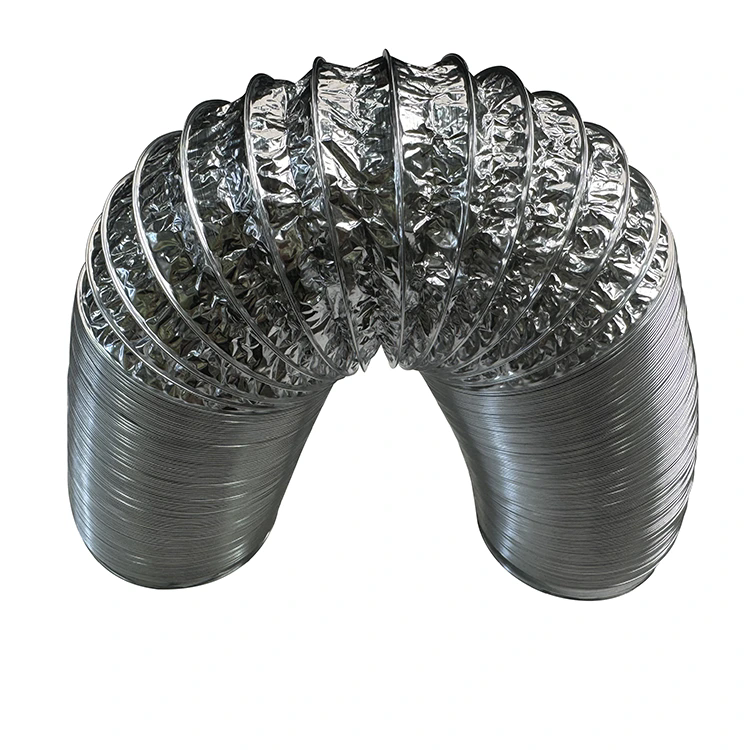
Table of Contents
- 1. What Is a Duct Hose?
- 2. How Does a Duct Hose Work?
- 3. Benefits of Using a Duct Hose
- 4. Key Features and Technical Parameters
- 5. Types of Duct Hoses
- 6. How to Choose the Right Duct Hose
- 7. Installation and Maintenance Tips
- 8. Frequently Asked Questions
- 9. Conclusion
1. What Is a Duct Hose?
A duct hose is a flexible tubing used in ventilation, exhaust, and air-conditioning systems. Its primary function is to transport air, dust, smoke, or fumes from one location to another safely and efficiently. Duct hoses are commonly found in factories, workshops, laboratories, and HVAC systems.
Modern duct hoses are designed to withstand high temperatures, chemicals, and mechanical stress. They are essential for maintaining proper airflow, protecting equipment, and ensuring a safe working environment.
2. How Does a Duct Hose Work?
Duct hoses work by providing a flexible pathway for air or gas movement. They connect machinery, fans, or exhaust outlets to ventilation systems, ensuring contaminants are safely transported or removed. The airflow efficiency depends on the hose material, diameter, and smoothness of the inner surface.
- Connects air sources to ventilation or exhaust systems
- Maintains steady airflow and reduces pressure loss
- Prevents leakage of harmful dust, fumes, or particles
- Withstands mechanical and thermal stress for long-term durability
3. Benefits of Using a Duct Hose
Using a high-quality duct hose offers multiple advantages for industrial and commercial environments:
- Improved Airflow: Efficient transport of air and gases
- Safety: Removes harmful particles and fumes
- Durability: Resistant to abrasion, chemicals, and high temperatures
- Flexibility: Easy to install in complex or tight spaces
- Energy Efficiency: Reduces energy loss in ventilation systems
These benefits directly impact productivity, worker safety, and operational costs.
4. Key Features and Technical Parameters
| Parameter | Description |
| Material | PVC, PU, silicone, or metal-reinforced fabrics |
| Temperature Resistance | -40°C to 200°C depending on material |
| Diameter | 50 mm to 500 mm standard sizes |
| Pressure Rating | Negative and positive pressure supported |
| Length | Customizable up to 50 meters |
| Flexibility | High flexibility for tight bends and compact installations |
| Reinforcement | Spiral wire or fabric reinforcement for stability |
Jiaxing Chenrui Electrical Technology Co., Ltd. offers duct hoses that meet high industry standards, providing stability, durability, and reliable performance in harsh environments.
5. Types of Duct Hoses
Duct hoses are available in different types tailored to specific applications:
- PVC Duct Hose: Lightweight, flexible, corrosion-resistant
- PU Duct Hose: Abrasion-resistant, ideal for dust and chips
- Silicone Duct Hose: High-temperature resistance for hot air systems
- Metal-Reinforced Hose: Strong and durable for industrial exhaust
- Anti-Static Hose: Prevents static buildup in sensitive environments
Selecting the correct type ensures optimal performance and system longevity.
6. How to Choose the Right Duct Hose
Choosing the proper duct hose requires consideration of several factors:
- Application: Dust removal, fume extraction, air transport
- Temperature Range: Material must match operating conditions
- Diameter and Length: Ensure proper airflow and system fit
- Pressure Requirements: Positive or negative pressure conditions
- Flexibility Needs: Installation in tight or complex layouts
- Durability: Abrasion, chemical, or UV resistance
Consulting with manufacturers like Jiaxing Chenrui Electrical Technology Co., Ltd. can help select the optimal solution for specific industrial applications.
7. Installation and Maintenance Tips
Proper installation and maintenance enhance the performance and lifespan of duct hoses:
- Follow the manufacturer’s installation guide
- Secure hose ends with clamps or flanges
- Avoid sharp bends to reduce airflow resistance
- Inspect regularly for wear, cracks, or leaks
- Clean periodically to prevent dust or residue accumulation
Routine checks prevent system failure, reduce energy loss, and ensure a safe working environment.
8. Frequently Asked Questions
Q1: Can a duct hose handle high-temperature air?
Yes, silicone and reinforced metal hoses are designed to handle temperatures up to 200°C or more, depending on the model.
Q2: How long does a typical duct hose last?
With proper installation and maintenance, a high-quality duct hose can last several years in industrial conditions.
Q3: Can duct hoses be customized?
Yes, manufacturers like Jiaxing Chenrui Electrical Technology Co., Ltd. provide custom diameters, lengths, and materials to meet specific needs.
Q4: Are duct hoses safe for chemical fumes?
Specialized PVC, PU, or metal-reinforced hoses can handle many chemical fumes safely. Always check material compatibility.
9. Conclusion
Duct hoses are essential for industrial ventilation, safety, and efficiency. Choosing the right material, size, and type ensures optimal airflow, protection, and energy savings. Routine maintenance maximizes longevity and system performance.
Jiaxing Chenrui Electrical Technology Co., Ltd. offers a wide range of high-quality duct hoses designed to meet industrial demands with durability and reliability.
For tailored solutions and professional support, contact us today to explore our full range of duct hoses and enhance your ventilation systems.