

How Does a Sensor Tap Improve Hygiene and Efficiency?
2025-12-24
Abstract: Sensor taps, also known as automatic or touchless faucets, are increasingly adopted in both residential and commercial environments for their hygienic and water-saving benefits. This article explores the core functionality, installation, maintenance, and common queries surrounding sensor taps. It provides professional insight into product specifications and answers practical questions to assist decision-making for end-users and facility managers.
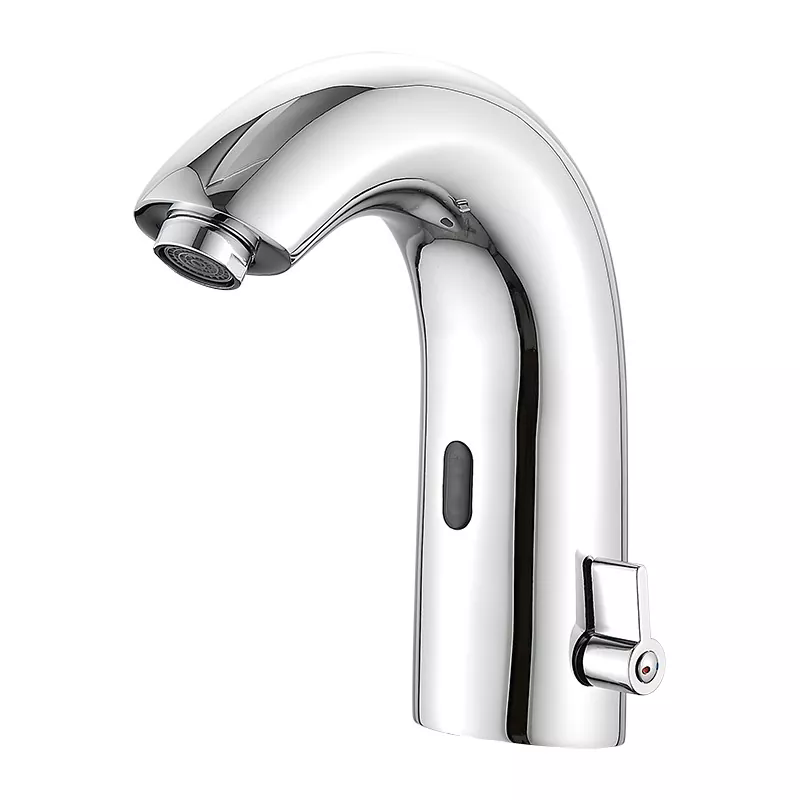
Table of Contents
1. Introduction to Sensor Taps
Sensor taps are automatic faucets designed to dispense water without physical contact, utilizing infrared sensors to detect hand movement. They are widely used in public restrooms, kitchens, and healthcare facilities to enhance hygiene, reduce water wastage, and improve convenience. Sensor taps integrate advanced electronic components, solenoid valves, and durable materials to provide reliable performance under frequent usage.
The primary focus of this article is to examine how sensor taps operate, their different types, installation procedures, maintenance strategies, and common challenges encountered by users. The following product specifications offer a professional overview for consideration:
| Specification | Details |
|---|---|
| Material | Brass body with chrome finish, corrosion-resistant |
| Sensor Type | Infrared motion detection, adjustable sensing range 5–15 cm |
| Power Supply | DC 6V (4×AA battery) or AC adapter 110–240V |
| Water Pressure | 0.05–0.75 MPa |
| Flow Rate | 3–6 L/min adjustable |
| Temperature Range | Cold and hot water compatible (0–90°C) |
| Mounting Type | Deck-mounted or wall-mounted options |
2. Types, Installation, and Key Considerations
2.1 How to Choose the Right Sensor Tap Type?
Sensor taps are available in several types based on usage context:
- Standard Sensor Tap: Suitable for residential kitchens and bathrooms.
- Commercial Sensor Tap: Designed for high-traffic areas like public restrooms.
- Temperature-Mixed Sensor Tap: Provides both hot and cold water control for versatile applications.
- Battery vs. AC Powered: Choice depends on installation environment and power availability.
2.2 How to Install a Sensor Tap Properly?
Installation involves precise steps to ensure reliable operation:
- Turn off the main water supply.
- Mount the faucet securely on the sink or countertop.
- Connect hot and cold water supply lines if applicable.
- Install the control box and power source (battery or AC).
- Adjust sensor range and flow rate according to environment.
- Test for leaks and sensor responsiveness.
2.3 How to Ensure Longevity and Efficient Operation?
Sensor taps require routine maintenance:
- Regularly clean aerators to prevent mineral buildup.
- Replace batteries periodically to avoid power interruptions.
- Inspect solenoid valves and electronic components for wear.
- Calibrate the sensor for consistent performance.
3. Sensor Tap FAQs
Q1: How does a sensor tap detect hand movement?
A1: Sensor taps use infrared sensors that emit a beam of light. When hands are placed in front of the sensor, the reflected signal is detected, triggering the solenoid valve to release water. The response time is typically under 0.5 seconds, ensuring efficient operation without manual contact.
Q2: How can water wastage be minimized using sensor taps?
A2: Sensor taps automatically shut off when hands are removed, reducing unnecessary water flow. Many models also feature adjustable flow rates and automatic shut-off timers, which prevent continuous water flow and help achieve significant water conservation in both residential and commercial settings.
Q3: How to troubleshoot a sensor tap that is not working?
A3: Common troubleshooting steps include checking the power supply (battery or AC adapter), cleaning the sensor lens, ensuring water supply lines are open, and inspecting the solenoid valve for blockages. Resetting the control unit or recalibrating the sensor often resolves operational issues.
Q4: How to select the right sensor range for a specific environment?
A4: Sensor range should be chosen based on the sink size and user behavior. In residential settings, 10 cm is often sufficient, while commercial or high-traffic areas may require 12–15 cm. Adjustable sensors allow fine-tuning to balance responsiveness and water conservation.
4. Industry Insights and Contact
4.1 How is the sensor tap market evolving?
The demand for touchless solutions continues to grow, driven by hygiene awareness, water conservation, and technological advancements. Future trends include smart sensor taps with IoT integration, adjustable water temperature presets, and energy-efficient electronics. Industry players focus on durable materials, anti-splash designs, and user-friendly installation kits.
4.2 How to integrate a sensor tap in home or commercial setups?
Integration requires assessing sink dimensions, water pressure, and electrical availability. Sensor taps can be installed alongside traditional faucets, as hybrid solutions, or as full replacements. For commercial environments, multiple units may be linked to centralized control systems for maintenance monitoring.
4.3 Brand Mention: SINKY
SINKY provides a wide range of high-quality sensor taps engineered for both domestic and commercial applications. Their products are designed to meet international standards of safety, durability, and energy efficiency. SINKY ensures a seamless combination of design and functionality, making it a trusted choice for modern facilities.
For further information or personalized consultation on sensor taps, please contact us. Our team is ready to provide detailed guidance, installation support, and after-sales service tailored to your requirements.