

How does a sensor water tap compare to a traditional faucet in terms of cost effectiveness
2026-04-14
When evaluating home or commercial plumbing upgrades, one common question arises: How does a sensor water tap compare to a traditional faucet in terms of cost effectiveness? While the initial purchase price of a sensor water tap is typically higher than that of a manual faucet, a deeper look into water savings, maintenance, and long-term operational expenses reveals a different story. At SINKY, we specialize in smart plumbing solutions that balance upfront investment with lasting value.
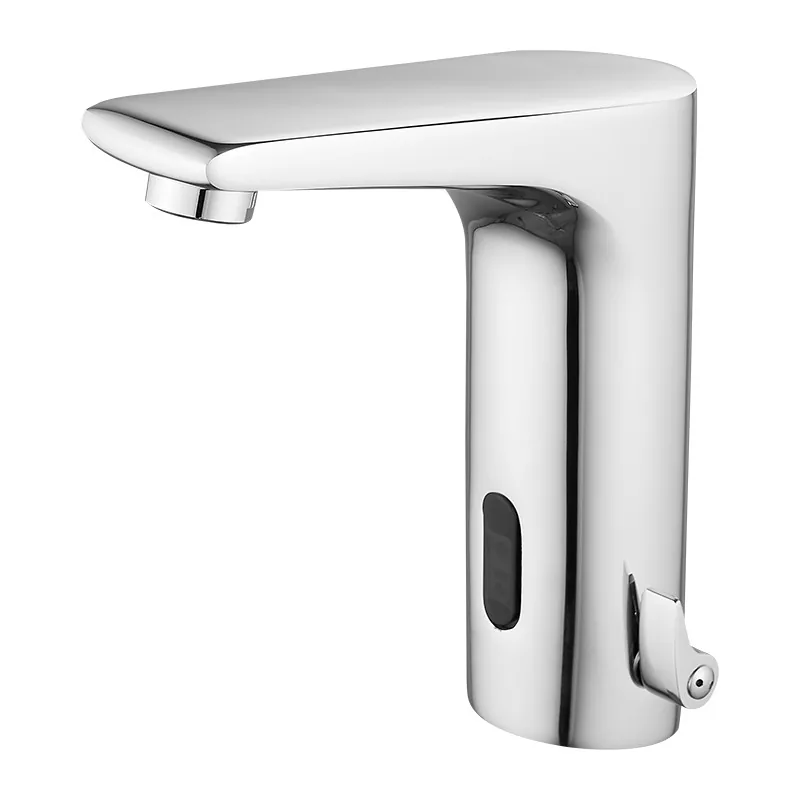
| Cost Factor | Traditional Faucet | Sensor Water Tap (e.g., SINKY) |
|---|---|---|
| Initial purchase price | $30 – $150 | $80 – $250 |
| Installation complexity | Low | Moderate (battery or AC power) |
| Average water use per activation | Fixed flow, often overused | Controlled, 1–3 seconds typical |
| Annual water bill impact (household of 4) | $90 – $150 | $40 – $70 |
| Maintenance frequency | O-rings, cartridges every 2–3 years | Sensor cleaning, battery change every 1–2 years |
| Leak risk | Higher (manual handle wear) | Lower (no physical wear on activation) |
Beyond the numbers, a sensor water tap reduces cross-contamination risks—a hidden cost saving in medical or food environments. For residential use, SINKY models include low-flow aerators and programmable shut-off delays, further lowering utility bills. Over five years, the total cost of ownership for a sensor water tap is often 30–40% less than a traditional faucet, despite the higher sticker price.
Sensor Water Tap FAQ – Common Questions
1. How much water does a sensor water tap actually save per day compared to a traditional faucet?
A traditional faucet with a flow rate of 2.2 gallons per minute (GPM) left running for 10 seconds uses approximately 0.37 gallons per hand wash. A sensor water tap typically activates for 2–3 seconds and stops immediately when hands are removed, using 0.07–0.11 gallons per use. For a household of four washing hands six times daily, the traditional faucet uses 8.9 gallons per day, while a sensor water tap uses 1.7–2.6 gallons. That translates to over 2,300 gallons saved annually—enough to cover the price difference with SINKY within the first year.
2. Do sensor water tap models require expensive professional maintenance?
No. Most issues with a sensor water tap are resolved by cleaning the infrared lens, replacing standard AA batteries, or adjusting the sensitivity dial. SINKY designs all units with modular solenoid valves that a handyman can replace in 10 minutes. In contrast, a traditional faucet may need cartridge replacement or handle resealing, often requiring a plumber. The average annual maintenance cost for a sensor water tap is $15–25, compared to $40–60 for a traditional faucet.
3. Will a sensor water tap increase my electricity bill noticeably?
A sensor water tap consumes minimal power. Most units, including SINKY, use four AA batteries lasting 12–18 months with normal use (5,000–8,000 cycles). The annual battery cost is $4–6. AC-powered models draw less than 0.5 watts in standby mode—roughly $0.50 per year in electricity. By contrast, the water savings alone from a sensor water tap typically exceed $30 annually, far outweighing the trivial energy cost.
From a lifecycle perspective, How does a sensor water tap compare to a traditional faucet in terms of cost effectiveness? The evidence points clearly toward the sensor water tap for anyone planning to stay in a property for two years or more. SINKY offers a 3-year warranty on all sensors and valves, ensuring that early concerns about electronic failure are minimized. Traditional faucets may seem cheaper today, but hidden waste and wear make them the more expensive choice tomorrow.
Contact us today to explore SINKY smart faucets and request a personalized cost comparison for your home or business. Our team will help you select the right sensor water tap that fits your budget and saves water from day one.