

How Does a T-Shaped Drain Improve Drainage Efficiency and Long-Term Structural Stability?
2025-12-10
A T-shaped drain is a specially engineered drainage component designed to improve water removal efficiency in industrial, agricultural, construction, and residential systems. Its name comes from its cross-sectional structure: a vertical drainage stem connected to a horizontal base, forming a “T” geometry. This configuration maximizes flow dispersion, reduces clogging risk, improves surface and subsurface water evacuation, and stabilizes surrounding soil or flooring structures.
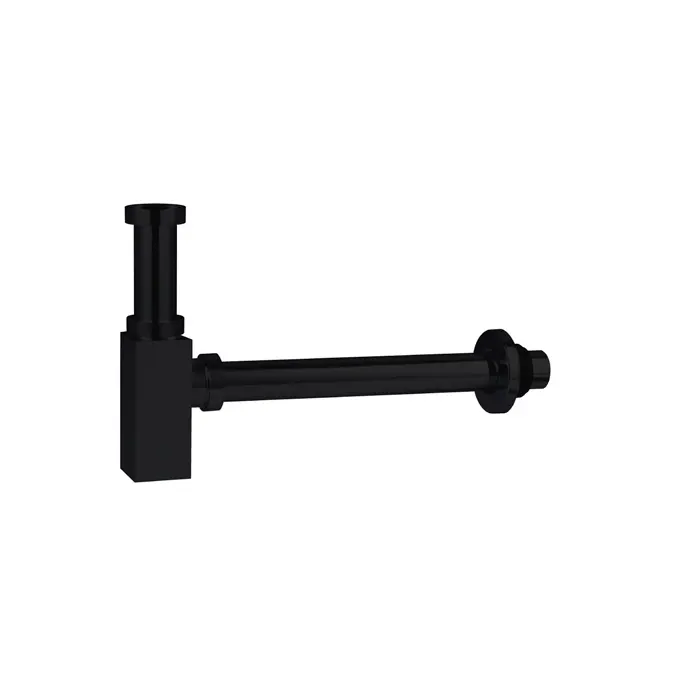
Modern drainage systems increasingly shift toward high-performance designs to prevent waterlogging, structural deterioration, mold growth, filtration inefficiency, and environmental hazards.
Below is a representative set of technical parameters commonly associated with premium-grade T-shaped drains used in industrial and commercial environments:
Technical Parameters of a High-Quality T-Shaped Drain
| Specification Category | Typical Value Range / Description |
|---|---|
| Material Options | Stainless steel 304/316L, PVC, HDPE, PP composite |
| Corrosion Resistance | Suitable for acidic, alkaline, humid, or chemical-exposed environments |
| Drain Body Thickness | 1.0–3.0 mm (metal) / 2.5–6.0 mm (polymer-based) |
| Flow Rate Capacity | 20–260 L/min depending on diameter |
| Diameter Range (Vertical Stem) | 25–110 mm |
| Horizontal Section Width | 40–150 mm |
| Temperature Resistance | −20°C to 120°C depending on material |
| Surface Treatment | Polishing, anti-rust coating, UV-resistant layer |
| Installation Mode | Embedded, surface-mounted, threaded, or welded |
| Maintenance Access | Removable grate/cover design |
These parameters reflect the engineering logic behind the product: durability, controlled flow, precision fitting, and long-term operational stability.
How Does a T-Shaped Drain Enhance System Performance Compared with Conventional Drains?
A deep comparison reveals why the T-shaped structure has become increasingly preferred in advanced drainage systems.
How Does the T-Geometry Improve Flow Dynamics?
The vertical section efficiently channels water downward while the horizontal section redistributes water laterally. This dual-direction flow reduces bottlenecks, improves circulation, and prevents pressure buildup in systems exposed to high or variable water volume.
How Does It Reduce Clogging Risk?
The horizontal ventilation zone increases air circulation and reduces sediment accumulation. Debris is more easily carried through the drainage path instead of accumulating at a single point. When paired with filtration mesh or perforated plates, clogging prevention becomes even more effective.
How Does It Strengthen Ground or Structural Stability?
A T-shaped drain redistributes subsurface moisture, preventing soil expansion, foundation cracking, and warping in concrete or metal flooring. Its uniform distribution reduces hydrostatic pressure and prevents long-term damage to surrounding structures.
How Does It Improve Sanitation in Food, Medical, and Industrial Settings?
The vertical stem accelerates water discharge, preventing bacterial accumulation. The smooth internal walls (common in stainless steel designs) reduce residue buildup, making the system compliant with hygiene standards in clean laboratories, food facilities, and pharmaceutical plants.
How Can T-Shaped Drains Be Applied Across Different Industries?
The design versatility of a T-shaped drain expands its usage across critical sectors.
Construction and Civil Engineering
Used in basements, parking garages, sidewalks, tunnels, building foundations, and retaining walls to prevent water infiltration and structural weakening.
Agriculture & Landscaping
Promotes soil stability by controlling excess irrigation water and preventing root rot.
Industrial Manufacturing Plants
Handles chemical wastewater, cleaning drainage, and overflow management in heavy-duty environments.
Food Processing Facilities
Ensures rapid discharge of cleaning water and maintains strict hygiene control.
Commercial Kitchens & Hospitality
Prevents standing water, reduces slip hazards, and maintains clean working conditions.
Marine & Outdoor Installations
Resistant materials like stainless steel 316L prevent corrosion in salt-heavy environments.
The T-structure’s adaptability ensures stable performance regardless of moisture intensity or environmental constraints.
How Will Future Trends Shape the Evolution of T-Shaped Drain Technology?
Drainage engineering is progressing rapidly due to smart-facility development and global environmental requirements. Several emerging trends are influencing next-generation T-shaped drain design.
How Will Smart Sensors Enhance Maintenance Efficiency?
Future drains may integrate sensors that monitor flow rate, blockage probability, or contamination levels. Real-time alerts support predictive maintenance, reducing unexpected failures or flooding incidents.
How Will Eco-Materials Become Standard?
Sustainable polymers, recycled stainless steel, and low-energy manufacturing techniques are likely to dominate future production. These eco-friendly materials improve durability while lowering environmental impact.
How Will Modular Drainage Systems Change Installation Processes?
Modular T-shaped drains will support quick assembly, easy integration into complex piping networks, and simplified replacement of damaged sections—reducing downtime in commercial and industrial settings.
How Will Enhanced Flow Design Improve Water Management Efficiency?
Engineers are exploring aerodynamically optimized interiors that minimize turbulence and friction, allowing water to move faster and cleaner through the system.
Common Questions About T-Shaped Drains
Q1: How should a T-shaped drain be maintained to ensure long-term performance?
A periodic inspection schedule is recommended, including removal of the top grate, flushing the vertical stem, and checking the horizontal channel for sediment buildup. Stainless steel versions may require surface polishing to prevent microbial adhesion. Maintenance frequency depends on usage intensity but is typically monthly for commercial systems and quarterly for residential installations.
Q2: How to choose the right material for a T-shaped drain?
Material selection depends on the environment: stainless steel 316L is suitable for marine or chemical-exposed areas; stainless steel 304 is ideal for kitchens and indoor spaces; HDPE or PVC versions suit agricultural or residential settings. The choice should consider corrosion resistance, load-bearing requirements, temperature tolerance, and installation compatibility.
How Does Yanasi Support Long-Term Drainage Solutions?
A T-shaped drain represents a high-efficiency, structurally stable, and versatile solution for modern drainage challenges. Its design enhances flow speed, reduces blockage risk, stabilizes surrounding structures, and fits a wide range of industrial, commercial, and residential applications. As future infrastructure and facility standards continue to evolve, the T-shaped drain will play a crucial role in shaping safer, cleaner, and more sustainable water management systems.
Yanasi provides durable, precisely engineered T-shaped drains designed to meet global performance expectations, offering reliable material options, optimized structures, and application-tailored customization. To explore product specifications, installation guidance, or professional purchasing support, contact us for more information.