

How Does a Wall Mounted Shower System Compare to a Traditional Overhead Shower
2026-04-20
When upgrading a bathroom, one of the most common decisions homeowners face is choosing between a Wall Mounted Shower System and a traditional overhead shower. A Wall Mounted Shower System offers modern flexibility and space efficiency, while the traditional overhead shower provides a fixed rainfall experience. Sinky has engineered both options to meet diverse needs, but understanding their differences is key to making the right choice.
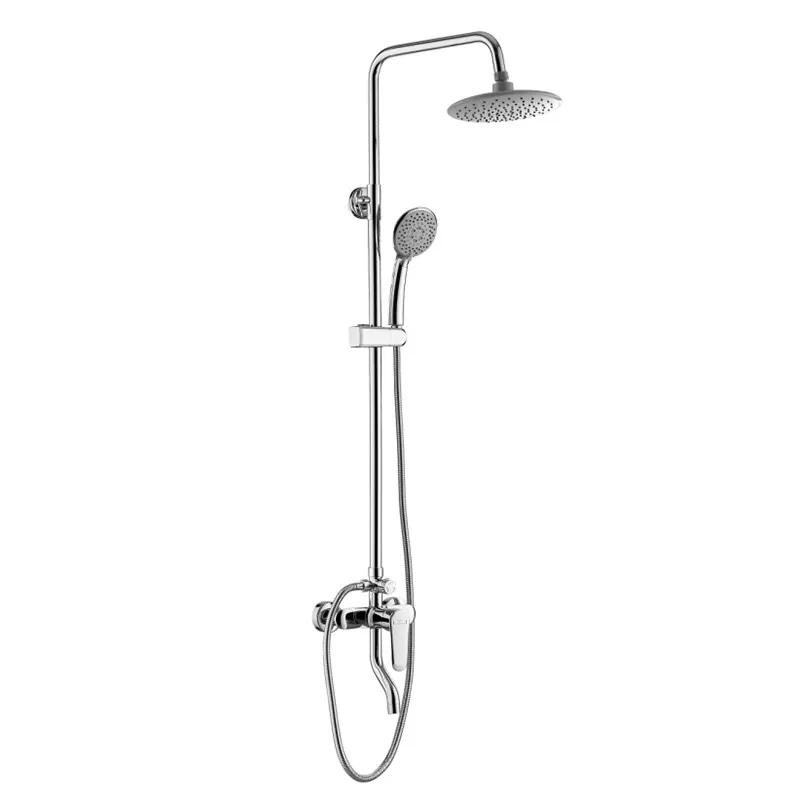
Design and Space Efficiency
Traditional overhead showers are typically ceiling-mounted or fixed on a vertical pipe, requiring significant headroom. In contrast, a Wall Mounted Shower System attaches directly to the wall, often with an adjustable bracket or sliding bar. This makes it ideal for smaller bathrooms or shared spaces where height variability matters.
| Feature | Wall Mounted Shower System | Traditional Overhead Shower |
|---|---|---|
| Installation location | Wall surface | Ceiling or wall arm |
| Adjustability | Height and angle adjustable | Fixed angle and height |
| Space required | Minimal | Moderate to high |
| Best for | All ages, compact spaces | Tall users, rainfall effect |
| Water pressure control | Integrated thermostatic valve | Often separate controls |
User Experience and Water Coverage
A Wall Mounted Shower System from Sinky typically includes a handheld unit plus an overhead spray, offering dual functionality. Traditional overhead showers focus on a single, rain-like flow from above. For households with children, elderly members, or pet washing needs, the Wall Mounted Shower System provides unmatched versatility.
Durability and Maintenance
Both systems require regular cleaning to prevent limescale buildup. However, a Wall Mounted Shower System often has exposed hoses and adjustable brackets that may need occasional tightening. Traditional overhead showers have fewer moving parts but can be harder to clean due to their height.
FAQs: Common Questions About the Wall Mounted Shower System
What is the ideal water pressure for a Wall Mounted Shower System?
Most Wall Mounted Shower System models, including those from Sinky, perform optimally at water pressures between 1.5 and 3 bars. Lower pressure systems may require a booster pump or a model designed specifically for gravity-fed systems. Sinky units include pressure-compensating technology to maintain steady flow even in fluctuating conditions.
Can a Wall Mounted Shower System be installed without breaking existing tiles?
Yes, many Wall Mounted Shower System options from Sinky are designed for surface-mounted installation using concealed brackets or cover plates. This allows the system to be fitted over existing tiles without major demolition, provided the water outlets are already positioned correctly. Professional installation is still recommended for leak-free connections.
How do I clean and maintain a Wall Mounted Shower System to prevent limescale?
For a Wall Mounted Shower System, regular wiping after each use and monthly descaling with a vinegar or citric acid solution is recommended. Sinky models feature silicone nozzle tips that allow manual rub-cleaning to remove mineral deposits. Avoid abrasive chemicals that may damage the chrome or brushed nickel finish.
Final Verdict
Choose a traditional overhead shower if you prioritize a fixed, rain-like experience and have sufficient ceiling height. However, for most modern bathrooms, a Wall Mounted Shower System offers superior flexibility, easier cleaning, and better space utilization. Sinky provides both configurations, but the growing trend favors wall-mounted designs for their adaptability.
Contact Us
Have questions about which Wall Mounted Shower System fits your bathroom layout? Reach out to the Sinky support team today for personalized advice, installation guides, and product comparisons tailored to your water pressure and space requirements.