

How Does Plastic Wrap Reduce Food Waste in Restaurants?
2026-01-12
In commercial kitchens across the United States and other mature foodservice markets, food waste is no longer viewed as an unavoidable cost. Rising ingredient prices, stricter local regulations, and increasing pressure from sustainability-focused customers all force operators to rethink how ingredients are stored and handled. Our experience working with independent restaurants, chain kitchens, and catering operations shows that improper storage remains one of the leading causes of premature spoilage. When proteins dry out, produce loses moisture, or prepared items absorb odors, inventory value drops quickly. This is where Plastic wrap becomes a practical tool rather than a simple accessory. By creating a tight barrier around food items, kitchens can slow oxidation, retain moisture, and maintain visual freshness. Our factory has observed that consistent wrapping practices can significantly reduce daily discard rates without changing menu structure or supplier relationships.
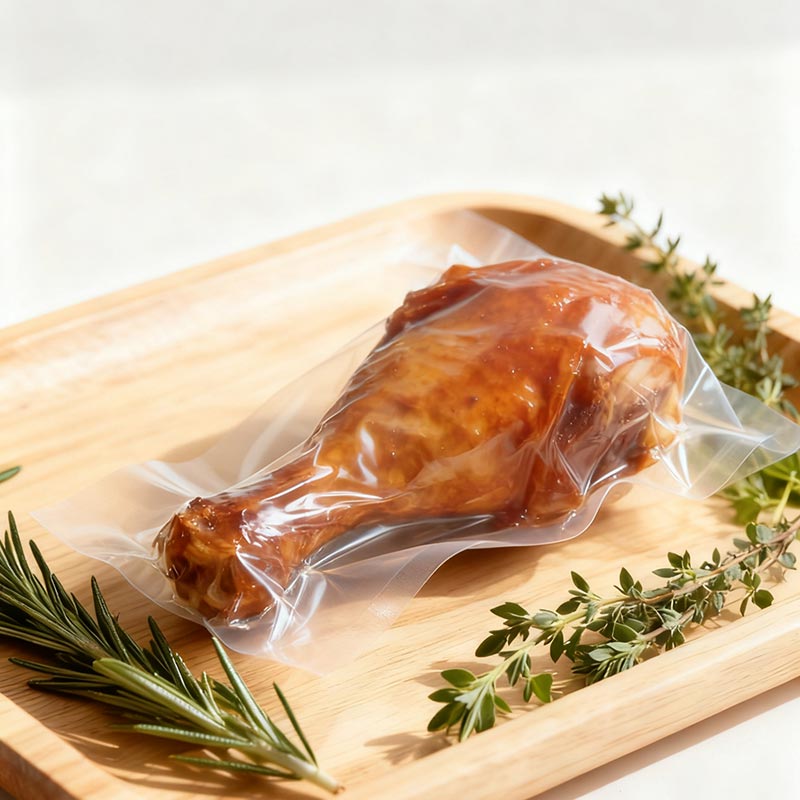
How Does Proper Food Wrapping Improve Shelf Life in Commercial Kitchens?
Commercial refrigeration environments are harsh on unprotected food. Air circulation, fluctuating temperatures, and frequent door openings accelerate dehydration and bacterial growth. Our technical team has tested different storage scenarios and found that Plastic wrap acts as a flexible seal that adapts to containers, trays, and irregular food shapes. This adaptability is essential in busy kitchens where speed matters. Unlike rigid lids, wrapping conforms instantly, minimizing air pockets. Our production standards focus on tensile strength and controlled cling performance, allowing operators to wrap quickly without tearing or excessive material use.
At Dongguang County Donghui Heat Shrink Film Co., Ltd, our factory supplies foodservice-grade solutions designed to meet local FDA and food contact compliance requirements while supporting daily kitchen efficiency.
| Thickness Range | 8 to 15 microns |
| Cling Performance | High tack, low residue |
| Temperature Resistance | Up to 120°F for short-term contact |
| Food Contact Compliance | FDA compliant materials |
What Operational Benefits Do Restaurants Gain Beyond Waste Reduction?
Reducing waste is only part of the value equation. Our clients consistently report improvements in workflow and inventory control after standardizing wrapping procedures. Clear visibility through Plastic wrap allows staff to identify contents instantly, reducing unnecessary handling. This transparency supports FIFO inventory systems that many local health departments encourage. Our factory also engineers roll consistency to prevent uneven dispensing, helping line cooks maintain speed during peak service hours. By lowering replacement frequency and minimizing rework, kitchens free up labor for higher-value tasks. Dongguang County Donghui Heat Shrink Film Co., Ltd works closely with distributors to ensure our specifications align with the expectations of professional foodservice buyers.
How Do Product Specifications Influence Performance in Restaurant Environments?
Not all wrapping materials perform equally under real kitchen conditions. Our development process prioritizes balance between stretch, clarity, and controlled cling. Excessive cling can slow wrapping, while insufficient cling leads to loose seals. Plastic wrap used in restaurants must also resist tearing when stretched over metal pans or sharp container edges. Our factory conducts routine tensile and puncture resistance testing to maintain consistent quality. These parameters directly affect how long wrapped items remain usable and how confidently staff rely on the material during service preparation.
| Roll Width Options | 12 inch, 18 inch, 24 inch |
| Core Size | Standard commercial dispenser compatible |
| Material Base | Food-grade polyethylene blend |
| Average Elongation | Over 250 percent |
How Does Food Packaging Choice Support Sustainability Goals in Restaurants?
Many restaurant owners now evaluate packaging decisions through a sustainability lens. While no single solution eliminates waste entirely, Plastic wrap can contribute to measurable reductions when used responsibly. By extending the usable life of ingredients, kitchens purchase less replacement stock and reduce disposal volume. Our approach emphasizes material efficiency so operators use only what is necessary. Our factory continuously refines formulations to lower overall material consumption without compromising performance. This practical balance aligns with local waste reduction initiatives and cost control priorities. Dongguang County Donghui Heat Shrink Film Co., Ltd supports partners seeking reliable supply and consistent quality for long-term operational planning.
Frequently Asked Questions About How Plastic Wrap Reduces Food Waste in Restaurants
Q1: How does food wrapping help restaurants extend the usable life of fresh ingredients?
By limiting air contact and moisture loss, proper wrapping slows oxidation and dehydration. This helps proteins, produce, and prepped items maintain texture and appearance longer during refrigerated storage, reducing premature disposal.
Q2: Why is consistent wrapping important for inventory management in restaurant kitchens?
Clear, tight wrapping improves visibility and labeling accuracy, making it easier for staff to follow FIFO practices. This reduces forgotten stock and minimizes waste caused by overlooked or misidentified items.
Q3: What role does wrapping material quality play in reducing food waste?
High-quality materials with balanced cling and stretch create reliable seals without tearing. This prevents exposure during storage and handling, ensuring ingredients remain protected throughout prep and service cycles.
What Should Restaurant Buyers Consider When Choosing a Reliable Supplier?
Supplier reliability directly affects kitchen operations. Our partners look for stable quality, compliant materials, and responsive technical support. Our factory operates with a focus on repeatability and traceability, ensuring each shipment meets the same performance benchmarks. Our long-term cooperation with distributors helps restaurants avoid supply disruptions and inconsistent results. Choosing a supplier with manufacturing expertise and clear specifications allows operators to focus on food quality rather than packaging concerns.
Conclusion
Effective food waste reduction starts with practical, everyday decisions inside the kitchen. When storage methods align with real operational demands, restaurants gain both financial and environmental benefits. Our team believes that the right material choice, supported by consistent quality and technical understanding, can make a measurable difference. If you are evaluating solutions to improve storage efficiency and reduce loss, contact our factory today to discuss specifications, custom options, and reliable supply support for your operation.