

How Does Toilet Stain Remover Eliminate Tough Bathroom Stains Effectively?
2026-03-16
Article Summary
Toilet stains are one of the most common and frustrating cleaning challenges in both residential and commercial bathrooms. Mineral deposits, rust marks, bacteria buildup, and hard water residue can create stubborn stains that regular cleaning products struggle to remove. A professional Toilet Stain Remover is specifically designed to dissolve these deposits, break down contaminants, and restore toilet surfaces to a clean condition. This article explains how toilet stain removers work, the types of stains they target, how to use them correctly, and what features to consider when selecting a reliable solution. It also introduces the cleaning advantages offered by SANDELI products.
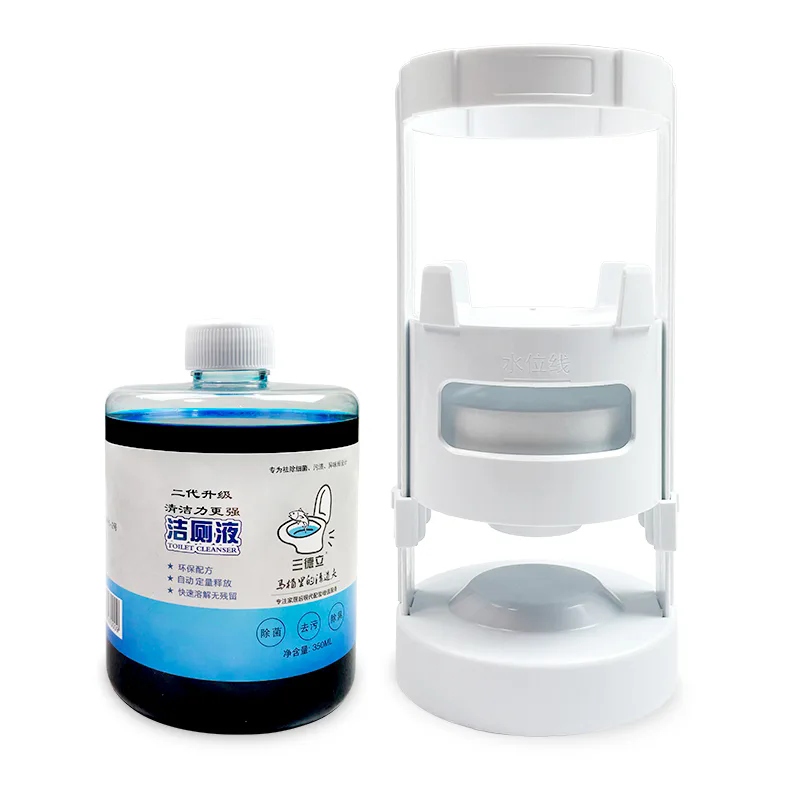
Table of Contents
- Understanding Common Toilet Stains
- How Toilet Stain Remover Works
- Key Ingredients in Effective Toilet Cleaners
- Step-by-Step Guide to Using Toilet Stain Remover
- Product Features to Look for When Choosing a Toilet Stain Remover
- Advantages of Professional Cleaning Formulas
- Maintenance Tips to Prevent Future Toilet Stains
- Frequently Asked Questions
Understanding Common Toilet Stains
Before selecting a cleaning product, it is important to understand the source of the stains. Different contaminants require different chemical reactions to remove them effectively.
The most common toilet stains include:
- Hard Water Deposits – Mineral buildup caused by calcium and magnesium.
- Rust Stains – Orange or brown marks created by iron in water.
- Limescale – Chalky residue forming along the waterline.
- Bacterial Film – Slimy layers produced by microbial growth.
- Organic Stains – Discoloration caused by waste buildup.
Over time, these substances accumulate on porcelain surfaces and inside toilet rims, creating difficult stains that standard cleaners cannot remove easily. This is where a specialized Toilet Stain Remover becomes essential.
How Toilet Stain Remover Works
A high-quality toilet stain remover uses targeted chemical reactions to break down stubborn residues. The cleaning process typically involves three major mechanisms:
- Acidic Dissolution – Acids dissolve mineral deposits such as limescale and rust.
- Surfactant Penetration – Surfactants break the bond between stains and surfaces.
- Antibacterial Action – Active ingredients eliminate odor-causing bacteria.
When applied to the toilet bowl, the cleaner spreads across the surface and penetrates porous deposits. The reaction softens hardened minerals, allowing them to be removed with minimal scrubbing.
Professional products also contain viscosity modifiers that allow the cleaner to cling to vertical surfaces inside the toilet bowl, ensuring longer contact time and improved stain removal efficiency.
Key Ingredients in Effective Toilet Cleaners
Different toilet stain removers rely on specific ingredients to target stubborn stains. Understanding these components helps users select a suitable solution.
| Ingredient Type | Main Function | Stain Target |
| Organic Acids | Dissolve mineral scale | Hard water deposits and limescale |
| Surfactants | Lift stains from porcelain surfaces | General dirt and organic stains |
| Rust Removers | Break down iron deposits | Rust stains |
| Antibacterial Agents | Kill odor-causing bacteria | Bacterial films |
| Thickening Agents | Improve surface adhesion | Vertical toilet bowl areas |
Modern formulations balance strong cleaning power with surface protection, ensuring that porcelain finishes remain intact while stains are removed effectively.
Step-by-Step Guide to Using Toilet Stain Remover
Using the product correctly significantly improves cleaning performance. The following method is widely recommended for effective stain removal.
Step 1: Flush the Toilet
Start by flushing the toilet to wet the surface and remove loose debris.
Step 2: Apply the Cleaner
Apply the toilet stain remover evenly around the inner rim and along the waterline where stains typically accumulate.
Step 3: Allow Contact Time
Leave the cleaner on the surface for several minutes to allow the active ingredients to break down mineral deposits and stains.
Step 4: Scrub the Surface
Use a toilet brush to scrub the bowl, paying attention to heavily stained areas.
Step 5: Flush Again
Flush the toilet once more to rinse away residue and reveal a clean surface.
This process ensures maximum effectiveness while minimizing effort.
Product Features to Look for When Choosing a Toilet Stain Remover
Not all cleaning products deliver the same performance. When selecting a toilet stain remover, several factors should be evaluated carefully.
- Strong Limescale Removal Capability
- Surface-Safe Formulation
- Fast Reaction Time
- Odor Neutralization
- Easy-Application Bottle Design
- Environmentally Responsible Ingredients
Professional manufacturers such as SANDELI focus on developing advanced cleaning solutions that combine efficiency with surface safety. Their formulations are designed to remove stubborn stains while maintaining the integrity of bathroom ceramics.
Advantages of Professional Cleaning Formulas
Compared with ordinary household cleaners, professional toilet stain removers offer several distinct advantages.
- Higher concentration of active cleaning agents
- Improved adhesion to vertical surfaces
- More effective mineral scale dissolution
- Long-lasting antibacterial protection
- Reduced cleaning time
These features are particularly valuable in environments such as hotels, public facilities, restaurants, and office buildings where hygiene standards are high and frequent cleaning is required.
Advanced formulations provided by companies like SANDELI are designed to deliver reliable results even in areas with extremely hard water conditions.
Maintenance Tips to Prevent Future Toilet Stains
While a toilet stain remover can eliminate existing stains, consistent maintenance helps prevent buildup from returning quickly.
- Clean the toilet bowl at least once per week
- Use a toilet brush after heavy use
- Flush regularly to prevent mineral accumulation
- Address hard water issues if possible
- Apply cleaning products before stains become severe
Regular maintenance reduces the need for intensive cleaning and helps preserve bathroom hygiene.
Frequently Asked Questions
Q1: How often should a toilet stain remover be used?
For most households, using a toilet stain remover once or twice per week is sufficient to prevent mineral buildup and maintain cleanliness.
Q2: Can toilet stain remover remove hard water rings?
Yes. Most professional formulations are specifically designed to dissolve limescale and hard water deposits that create visible rings inside the toilet bowl.
Q3: Is toilet stain remover safe for ceramic surfaces?
Quality products are formulated to be safe for porcelain and ceramic surfaces when used according to instructions.
Q4: Why do toilet stains return quickly?
Frequent staining often occurs in areas with hard water or high mineral content. Regular cleaning and appropriate cleaning solutions help control the problem.
Conclusion
Stubborn toilet stains are often caused by mineral deposits, rust, bacteria, and organic residue. A professional Toilet Stain Remover works by dissolving mineral buildup, lifting contaminants, and disinfecting the surface to restore cleanliness. Selecting the right formulation and following a proper cleaning routine ensures long-lasting results and improved bathroom hygiene.
SANDELI focuses on developing reliable and efficient cleaning solutions designed to tackle tough bathroom stains while protecting ceramic surfaces. Whether for household maintenance or commercial cleaning operations, choosing a high-quality product can significantly simplify the cleaning process.
If you are searching for a powerful and dependable toilet cleaning solution, SANDELI provides professional products designed to remove stubborn stains quickly and effectively. Contact us today to learn more about our toilet stain remover solutions and discover how we can help you maintain a cleaner and healthier bathroom environment.