

How to Select Safe and Durable Inner Tubes for Hot and Cold Water Supply?
2026-03-18
What Defines Safety Standards for Inner Tubes in Residential and Commercial Plumbing Systems?
In modern plumbing systems across the United States, safety compliance is not optional. When selecting an Inner Tube for hot and cold water supply, buyers must pay close attention to material certifications, pressure ratings, and temperature resistance. Local contractors and distributors often prioritize products that meet ASTM, NSF, and ANSI standards, ensuring potable water safety and long-term durability.
Our factory understands that water supply systems operate under varying thermal conditions, especially in mixed-use buildings where hot and cold water cycles frequently. Materials such as EPDM and reinforced rubber compounds are widely preferred due to their resistance to scaling, cracking, and chemical degradation. At Ningbo Ming Da Hai Chen Metal Productions Co.,Ltd., our engineering team continuously tests our products under simulated U.S. plumbing conditions to ensure consistent performance.
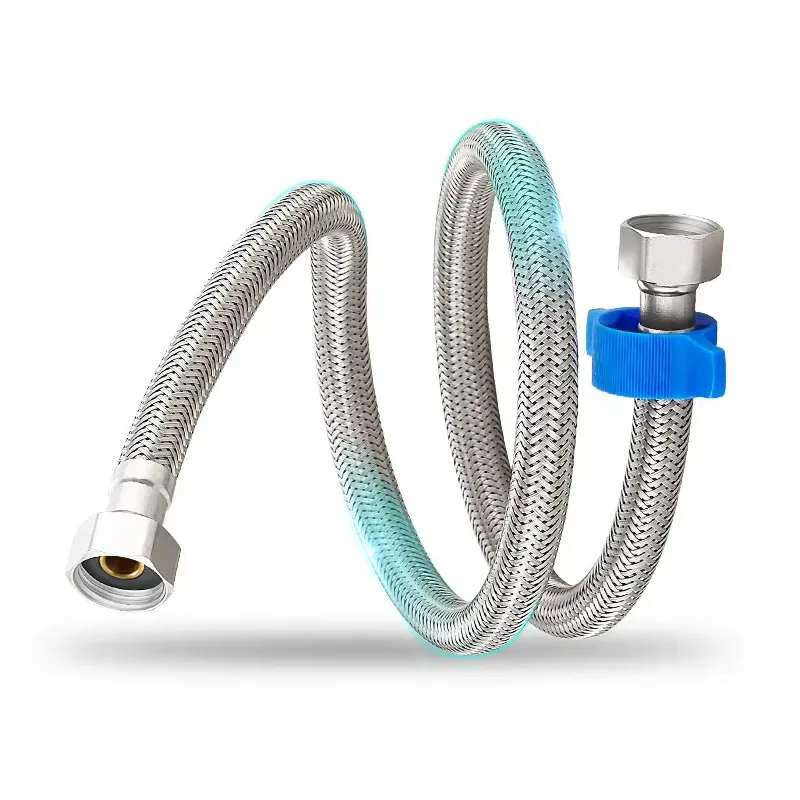
How Do Material Types Impact the Durability of Inner Tubes in Temperature-Fluctuating Systems?
The choice of material directly affects how well an Inner Tube performs under thermal expansion and contraction. In colder regions, freezing resistance is critical, while in warmer climates, heat aging becomes a major concern. Our factory focuses on advanced elastomer formulations that maintain flexibility even under extreme conditions.
| Material Type | Temperature Range | Key Advantages | Typical Application |
| EPDM Rubber | -40°F to 248°F | Excellent heat and ozone resistance | Hot and cold potable water systems |
| NBR Rubber | -22°F to 212°F | Strong oil and abrasion resistance | Industrial water systems |
| Butyl Rubber | -40°F to 230°F | Low permeability and high flexibility | Sealed water transport systems |
Our products are designed to meet the expectations of North American buyers who demand both performance and compliance. Ningbo Ming Da Hai Chen Metal Productions Co.,Ltd. ensures that each material batch is traceable and tested before mass production.
Why Do Pressure Ratings and Wall Thickness Matter in Long-Term Water Supply Applications?
Pressure fluctuation is one of the leading causes of failure in water systems. Selecting an Inner Tube with insufficient wall thickness can result in deformation, leaks, or sudden rupture. In U.S. plumbing practice, PSI ratings are a key reference point, especially for multi-story buildings and municipal infrastructure.
Our factory provides customized solutions based on system pressure requirements. For example, high-rise buildings often require reinforced layers to handle pressure surges. By optimizing wall thickness and reinforcement design, our products maintain structural integrity even under continuous stress cycles.
| Specification | Standard Range | Recommended Use |
| Wall Thickness | 2mm - 6mm | Residential and commercial plumbing |
| Pressure Rating | 150 PSI - 600 PSI | Low to high-pressure systems |
| Reinforcement Layer | Optional braided fiber | High-load environments |
At Ming Da Hai Chen, we work closely with distributors to ensure our specifications align with real-world installation needs.
How Can Proper Sizing and Compatibility Improve System Efficiency?
Incorrect sizing is a common issue that leads to inefficiency and premature wear. An oversized Inner Tube may cause instability, while an undersized one restricts flow and increases internal pressure. Our factory emphasizes precision manufacturing to ensure consistent inner diameter and wall uniformity.
In the U.S. market, compatibility with standard fittings such as NPT and BSP connections is essential. Installers prefer products that integrate seamlessly with existing systems without requiring additional modifications. Our engineering team ensures that each unit is compatible with widely used plumbing standards.
What Maintenance Practices Extend the Lifespan of Inner Tubes in Daily Use?
Routine inspection and preventive maintenance are critical for maximizing service life. Over time, exposure to minerals, temperature changes, and pressure cycles can degrade materials. Regular checks for cracks, bulging, or discoloration help identify early signs of failure.
Our factory recommends periodic replacement schedules based on usage intensity. For residential systems, a longer lifespan is typical, while commercial systems may require more frequent inspections. By following these practices, users can significantly reduce downtime and repair costs.
FAQ
Q1: How do I know if an Inner Tube is safe for drinking water systems?
A: Look for certifications such as NSF or ANSI compliance, which indicate that the material is safe for potable water. Additionally, ensure the product is made from non-toxic rubber compounds that do not leach harmful substances over time. Choosing a reliable manufacturer with strict quality control further guarantees safety.
Q2: What is the ideal temperature range for an Inner Tube used in hot and cold water systems?
A: Most high-quality products operate effectively between -40°F and 248°F, depending on the material. EPDM-based options are particularly suitable for handling both hot and cold water cycles without losing flexibility or strength.
Q3: How often should I replace an Inner Tube in a plumbing system?
A: Replacement frequency depends on usage conditions, pressure levels, and water quality. In residential settings, it may last several years, while in commercial or industrial environments, regular inspections every 6 to 12 months are recommended to prevent unexpected failures.
Conclusion
Selecting the right components for water supply systems requires a balance of safety, durability, and compatibility. From material selection to pressure resistance and proper sizing, every detail plays a role in long-term performance. Our factory remains committed to delivering reliable solutions tailored to global market standards. If you are looking for high-performance products backed by professional support, contact us today to explore customized options and get a competitive quote.