

Is a Sauna Steam Room Really the Upgrade Your Bathroom Has Been Waiting For?
2026-01-07
When I first started exploring ways to improve everyday comfort at home, I didn’t expect a Sauna Steam Room to become such a practical solution. Yet as I looked deeper into wellness-oriented bathroom design, I kept running into the same reality: modern users want more than fixtures, they want experiences. That was also when I came across Yanasi almost by accident, through real-world project discussions rather than marketing claims, and it made me rethink what a Sauna Steam Room could realistically offer in daily life.
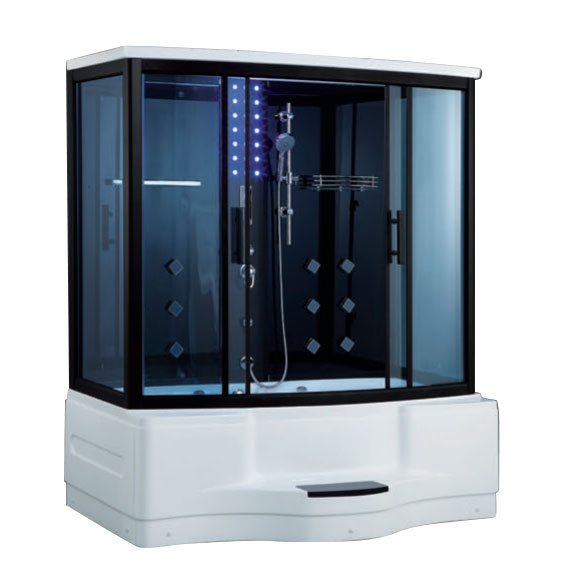
Why Are More Homeowners and Developers Choosing a Sauna Steam Room?
I noticed a clear shift in client conversations over the past few years. People are no longer asking whether wellness features are “nice to have.” Instead, they are asking how to integrate them without wasting space, energy, or budget. A well-designed Sauna Steam Room answers several of these concerns at once.
- It combines heat therapy and steam relaxation in one enclosed system
- It fits both private residences and hospitality projects
- It supports long-term health routines rather than one-time luxury use
From my perspective, the appeal lies in balance. A Sauna Steam Room offers the calming effect of moist heat without the aggressive dryness that some users struggle with in traditional saunas.
What Practical Problems Does a Sauna Steam Room Actually Solve?
Clients often raise very practical questions before committing. I’ve summarized the most common pain points I hear and how a Sauna Steam Room directly addresses them.
| Common Concern | How a Sauna Steam Room Helps |
|---|---|
| Limited bathroom space | Integrated design combines multiple functions in one enclosure |
| High energy consumption worries | Modern steam generators focus on fast heat-up and controlled output |
| Maintenance complexity | Simplified control panels and accessible internal components |
| Inconsistent user comfort | Adjustable temperature and humidity levels for different preferences |
These points matter because a Sauna Steam Room is not used once a year. It becomes part of a routine, and routine only works when friction is low.
How Does Material and Structure Influence Long-Term Performance?
One detail that often gets overlooked is structural reliability. From my experience reviewing installations, poorly chosen materials can quickly undermine user satisfaction. A quality Sauna Steam Room focuses on sealed panels, moisture-resistant surfaces, and stable framing that does not deform under constant heat and humidity.
- Consistent insulation to maintain internal temperature
- Water-resistant surfaces to prevent mold buildup
- Stable door systems that remain airtight over time
This is where brands like Yanasi stand out quietly. Rather than pushing flashy features, the emphasis is placed on structural consistency, which directly affects how a Sauna Steam Room performs after years of use.
Can a Sauna Steam Room Fit Different User Habits and Lifestyles?
Not everyone uses heat therapy the same way. Some people want a short daily reset, while others prefer longer weekend sessions. What I find valuable is how a Sauna Steam Room adapts to both without requiring separate systems.
| User Scenario | Relevant Sauna Steam Room Feature |
|---|---|
| Quick morning relaxation | Fast steam generation with preset controls |
| Post-workout recovery | Even heat distribution and adjustable humidity |
| Family shared use | Multiple temperature profiles for different comfort levels |
This flexibility is exactly why a Sauna Steam Room works well in both residential and commercial environments.
Is a Sauna Steam Room Worth Considering for Long-Term Value?
From a value perspective, I look at durability, usability, and daily relevance. A thoughtfully designed Sauna Steam Room does more than add visual appeal. It supports consistent wellness habits while aligning with modern bathroom layouts.
When clients ask whether such an investment makes sense, I usually bring the discussion back to usage frequency. Features that are used weekly or daily always outperform decorative upgrades. In that sense, a Sauna Steam Room earns its place naturally.
If you are exploring ways to elevate comfort, wellness, and functionality in one solution, it may be time to take a closer look at what a modern Sauna Steam Room can offer. To discuss specifications, customization options, or real project applications, feel free to contact us and share your requirements. A well-informed choice always starts with the right conversation.