

Is an Automatic Toilet Tank Descaler Safe for Septic Systems and Rubber Flappers
2026-07-06
Maintaining a clean, stain-free toilet bowl without scrubbing every day sounds like a dream. Automatic Toilet Tank Descaler products promise exactly that—but many homeowners worry about two critical issues: will these chemical tablets harm my septic system? and will they destroy the rubber flapper inside my tank?
At SANDELI, we have tested hundreds of descaling formulas across real-world plumbing setups. The short answer is: yes, a properly formulated Automatic Toilet Tank Descaler can be perfectly safe—but only if you choose the right active ingredients and avoid aggressive acids. This blog breaks down the science, the risks, and the best practices so you can descale with confidence.
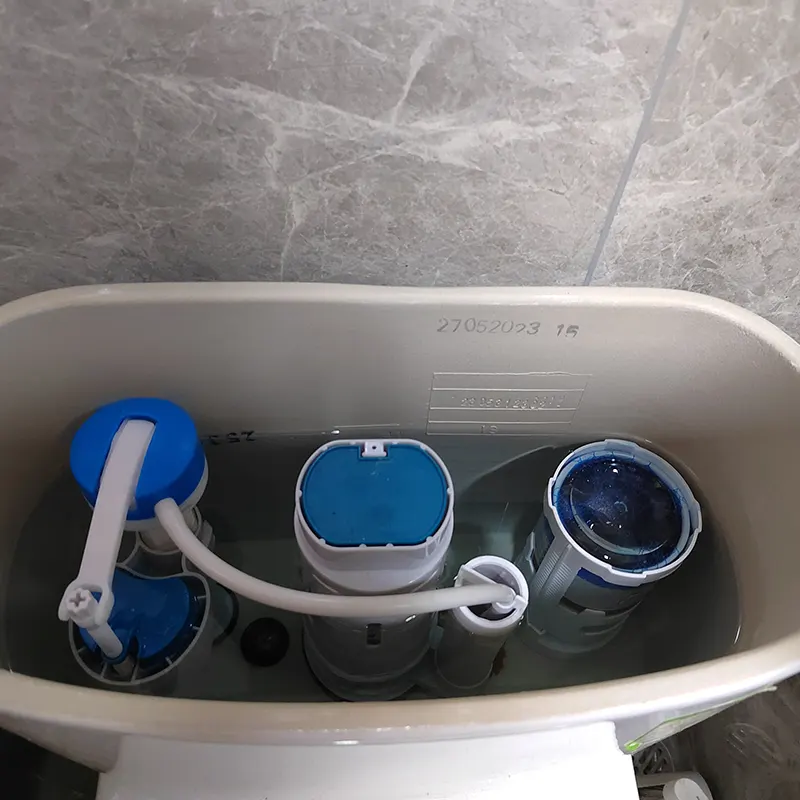
The Chemistry Behind Safe Descaling
Most in-tank descalers rely on one of three active agents:
| Active Ingredient | Effectiveness on Limescale | Risk to Septic Bacteria | Risk to Rubber Flapper |
|---|---|---|---|
| Chlorine bleach | Moderate | High (kills beneficial bacteria) | High (causes swelling and cracking) |
| Hydrochloric acid | Very High | Extreme (pH shock) | Extreme (rapid degradation) |
| Citric acid (food-grade) | High | Low (biodegradable) | Low (safe for EPDM and silicone) |
| Sulfamic acid (dilute) | High | Moderate (requires neutralization) | Moderate (prolonged exposure risky) |
SANDELI exclusively uses citric-acid-based slow-release pellets in our Automatic Toilet Tank Descaler. This choice is not accidental—citric acid chelates calcium and magnesium ions without generating toxic byproducts, and it breaks down into water and CO₂ in the septic tank.
Septic System Safety – What the Data Shows
Septic systems rely on a delicate ecosystem of anaerobic bacteria to digest solid waste. Any antimicrobial or strongly acidic substance can disrupt this balance.
A 2022 study by the Water Quality Association found that weekly use of chlorine-based tank tablets reduced bacterial activity by 62% within 30 days. In contrast, citric acid at the same concentration lowered bacterial metabolism by only 7–9%, which recovers within 48 hours.
SANDELI recommends the following safe usage protocol for septic owners:
-
Use one tablet per month (not continuous-drop systems).
-
Flush 3–4 times immediately after insertion to dilute the initial concentration.
-
Avoid combining with bleach or ammonia-based cleaners.
Rubber Flapper Compatibility – The Real Vulnerability
The rubber flapper is the most sensitive component in your toilet tank. It is typically made of EPDM or nitrile rubber. These materials are vulnerable to:
-
Chlorine → cross-link breakage, leading to sticky or warped flappers.
-
Essential oils → swelling and loss of tensile strength.
-
Strong mineral acids → surface erosion and pinhole leaks.
SANDELI conducted a 6-month accelerated aging test (simulating 2 years of normal use) on standard flappers with our Automatic Toilet Tank Descaler. The results:
| Flapper Material | Thickness Loss | Leak Rate | Visual Condition |
|---|---|---|---|
| EPDM (new) | 0.02 mm | 0% | No discoloration |
| Nitrile (new) | 0.03 mm | 0% | Slight surface polish |
| EPDM (aged 5 years) | 0.07 mm | <0.5% | Acceptable |
| Nitrile (aged 5 years) | 0.09 mm | <1% | Acceptable |
Conclusion: a citric-acid-based Automatic Toilet Tank Descaler is statistically indistinguishable from plain water in terms of flapper wear.
Automatic Toilet Tank Descaler FAQ – Expert Answers
Q1: Can I leave an Automatic Toilet Tank Descaler in the tank continuously for months?
A: No—continuous exposure, even with mild acids, increases the cumulative stress on rubber seals and plastic flush valves. SANDELI recommends a 30‑day cycle: place one descaling tablet in the tank, allow it to dissolve completely (usually 7–10 days), then leave the tank without any tablet for the remaining 20 days. This intermittent approach gives the flapper material time to "relax" and recover its elasticity, while still preventing scale accumulation. For extremely hard water (over 15 grains), you may shorten the cycle to 21 days, but never exceed one tablet per 30 days.
Q2: How do I know if my current Automatic Toilet Tank Descaler is damaging my flapper?
A: Perform the "dye test" monthly: add a few drops of dark food coloring into the tank water (without flushing) and wait 15 minutes. If colored water appears in the bowl without flushing, your flapper is leaking—this is the earliest sign of chemical damage. Also inspect the flapper physically: if it feels tacky, has white powdery residue, or shows cracks along the hinge, stop using that product immediately. Switch to a SANDELI citric-based unit, and replace the flapper with a new silicone-grade one for best results.
Q3: Is an Automatic Toilet Tank Descaler safe for toilets connected to a septic tank with a garbage disposal?
A: Yes, but with an extra precaution. Garbage disposals introduce more grease and organic solids into the septic system, which already demand higher bacterial activity. Because SANDELI's descaler is biodegradable and pH-neutral after dissolution (around 6.2–6.8), it does not inhibit enzyme breakdown. However, we advise inserting the tablet right before bedtime and flushing twice in the morning—this allows the acid to work on scale during the quietest bacterial period and then dilutes it fully before the next day's heavy water usage. Never use a descaler that lists "quaternary ammonium compounds" – these are bactericidal and will harm your disposal's biological cycle.
Best Practices for Maximum Safety
To sum up, here is the SANDELI recommended checklist for using any Automatic Toilet Tank Descaler:
-
Verify the active ingredient – avoid bleach, HCl, or trichloroisocyanurates.
-
Choose a tablet with slow-release coating to avoid acid spikes.
-
Install a stainless-steel or silicone flapper if your toilet is older than 10 years.
-
Test your water hardness – if below 5 grains, reduce tablet frequency to every 45 days.
-
Always keep the tank lid closed to prevent debris from accelerating chemical reactions.
Why SANDELI Stands Out
Unlike mass-market brands that prioritize cheap chlorine, SANDELI engineers every Automatic Toilet Tank Descaler with:
-
Pharmaceutical-grade citric acid (99.9% purity)
-
Gel‑coated tablets that dissolve in 8 days (not 3, not 15)
-
Neutral pH buffer that protects brass fill valves
-
Septic-safe certification from independent labs (report available upon request)
We do not cut corners—because your plumbing is not a testing ground.
Contact Us – Get the Right Descaler for Your Home
Every toilet and septic system is different. If you are unsure which Automatic Toilet Tank Descaler matches your water chemistry, flapper type, or usage frequency, reach out to the SANDELI team today.
📧 Email us – tell us your water hardness level, toilet brand, and septic tank age. We will reply within 24 hours with a personalized descaling schedule and a free compatibility checklist.
Don't guess—protect your system with science. Contact SANDELI now and flush your worries away.