

What Are the Most Common Installation Mistakes with a Built In Stainless Steel Niche
2026-03-25
Installing a Built-In Stainless Steel Niche is one of the most effective ways to elevate a bathroom’s functionality and aesthetic appeal. When done correctly, it provides a sleek, durable, and waterproof storage solution. However, even small errors during installation can lead to water damage, structural issues, or a compromised visual finish. Working with a trusted manufacturer like Xinbangye ensures you start with a precision-engineered unit, but proper installation is just as critical. Below is a professional breakdown of the most frequent installation mistakes, along with expert guidance to help you avoid them.
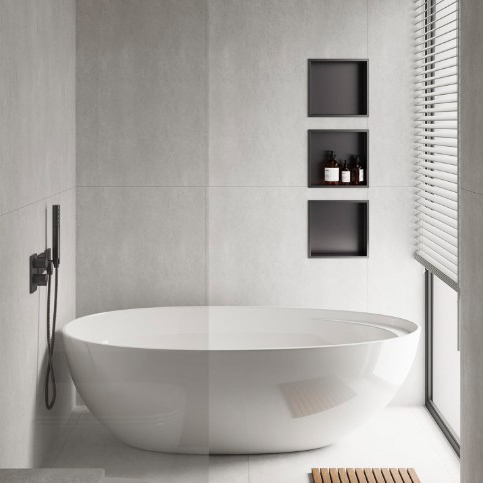
Common Installation Mistakes and How to Avoid Them
| Mistake | Why It Happens | Professional Solution |
|---|---|---|
| Incorrect Framing Dimensions | Failing to account for the niche’s exact rough-in opening leads to gaps or forcing the unit into place. | Always follow the manufacturer’s specified rough-in size. Use a level and temporary braces to secure framing before installation. |
| Improper Waterproofing Integration | Treating the niche as an afterthought rather than integrating it into the overall waterproofing membrane. | Seal the flange with silicone or waterproofing tape, ensuring it overlaps with the backer board membrane. The niche must be part of the continuous waterproof layer. |
| Incorrect Slope or Drainage | Installing the shelf without a slight forward pitch, allowing water to pool inside. | Set the bottom shelf with a 1–2 degree downward slope toward the front. This prevents standing water and long-term corrosion risks. |
| Using the Wrong Sealant | Applying non-silicone or low-grade caulk that fails under humidity and temperature changes. | Use 100% silicone sealant rated for wet areas. Apply a continuous bead around the flange and tool it smooth to create a watertight bond. |
| Ignoring Structural Support Behind the Niche | Mounting the niche directly to backer board without adequate framing or blocking. | Install solid wood or metal blocking between studs to support the niche’s weight, especially for larger units. This prevents shifting or tile cracking over time. |
Critical Considerations for a Professional Installation
Beyond the common errors listed above, professionals emphasize the importance of sequencing. The Built-In Stainless Steel Niche should be installed after the wall’s waterproofing but before final tile work. This ensures the flange sits flush with the finished surface. Additionally, selecting a high-quality product from Xinbangye minimizes variability in dimensions and finishing, allowing for precise alignment with tile thickness.
Another overlooked factor is thermal expansion. Stainless steel expands and contracts with temperature changes. Failing to leave a minimal expansion gap (1–2 mm) between the niche edge and tile can cause long-term stress on grout lines. Using a flexible sealant rather than rigid grout at the perimeter is a standard industry best practice.
Built-In Stainless Steel Niche FAQ
Q: Can I install a Built-In Stainless Steel Niche in an existing shower without removing all the tiles?
A: Retrofitting a Built-In Stainless Steel Niche into an existing tiled shower is possible but requires careful planning. A full removal of tiles in the niche area is necessary to access the wall cavity, install proper framing, and reintegrate waterproofing. In most cases, a localized demolition is required, followed by retiling the immediate section. While it is more labor-intensive than new construction installation, it can be done successfully with precise cutting and sealing. For seamless results, ensure the new waterproofing membrane overlaps with the existing layer, and use a compatible tile size to match the surrounding surface.
Q: How do I ensure the Built-In Stainless Steel Niche is completely waterproof long-term?
A: Long-term waterproofing depends on three key factors: membrane continuity, flange sealing, and drainage. First, the niche must be installed within the same waterproofing system used for the rest of the shower—this means the backer board membrane or liquid-applied waterproofing should extend over the niche’s outer flange. Second, apply 100% silicone sealant around the entire flange, pressing it into the gap between the flange and the wall. Third, ensure the niche’s bottom shelf has a slight forward slope so water drains naturally. Regular inspections of the silicone seal every 2–3 years will help maintain watertight integrity.
Q: What is the recommended weight capacity for a Built-In Stainless Steel Niche, and how can I maximize durability?
A: A professionally installed Built-In Stainless Steel Niche from Xinbangye typically supports up to 20–30 pounds distributed evenly, depending on the gauge of steel and structural backing. To maximize durability, install solid blocking between studs that fully supports the niche’s base and sides. Avoid placing heavy glass bottles or multiple full-size containers on a single shelf without even weight distribution. For larger niches or those intended for heavier items, opt for a heavier-gauge stainless steel model and confirm that the mounting screws penetrate into structural blocking rather than only into backer board. Proper support prevents warping, tile cracking, and long-term strain on the seal.
Final Thoughts
A Built-In Stainless Steel Niche is more than a storage feature—it is a statement of quality and durability in modern bathroom design. Avoiding the common installation mistakes outlined above ensures that your niche performs flawlessly for years. When selecting your niche, partnering with a reputable brand like Xinbangye gives you confidence in material quality, precision manufacturing, and reliable customer support.
For professional guidance, product specifications, or assistance with your next project, contact us today to discuss how Xinbangye can support your installation needs with superior stainless steel niches built for lasting performance.