

What are the most common maintenance issues with sensor taps and how can they be resolved
2026-03-30
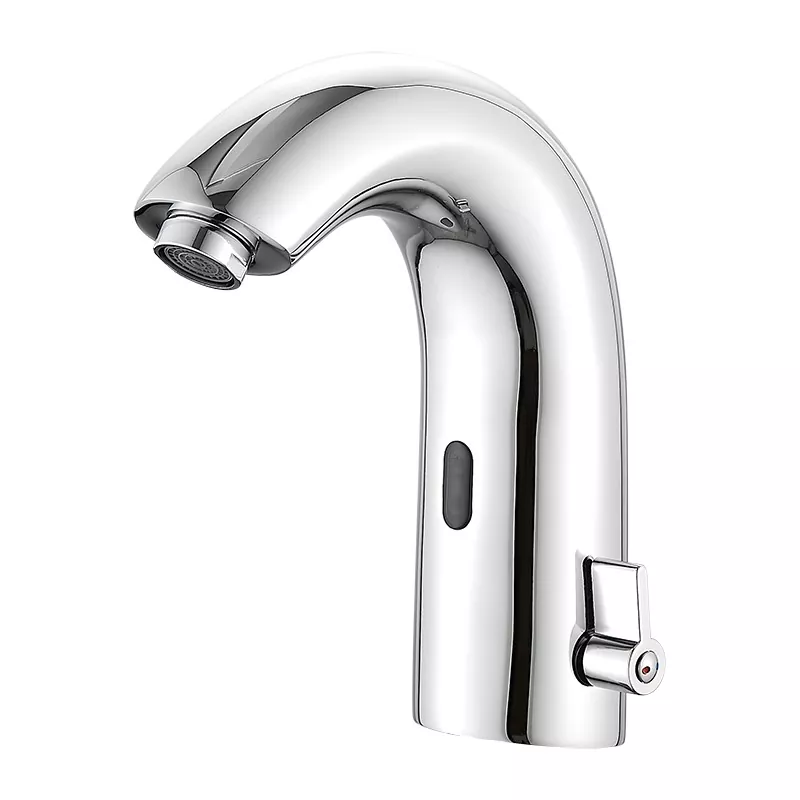
Sensor Tap technology has transformed modern kitchens and bathrooms by offering touchless operation, improved hygiene, and water efficiency. However, like any advanced fixture, a Sensor Tap requires proper understanding of its maintenance needs to ensure long‑term reliability. In this guide, we explore the most frequent challenges users encounter with Sensor Tap systems and provide practical, professional solutions. As a trusted name in intelligent water solutions, SINKY emphasizes the importance of proactive care to keep your Sensor Tap performing at its best.
| Common Issue | Possible Cause | Recommended Resolution |
|---|---|---|
| Intermittent or no water flow | Low battery power or faulty solenoid valve | Replace batteries with high‑quality alkaline cells; if issue persists, inspect the solenoid for blockages or electrical failure. |
| Sensor not responding or delayed activation | Dirty sensor lens or infrared interference | Clean the sensor window gently with a soft, damp cloth; ensure no reflective surfaces are directly facing the unit. |
| Water runs continuously | Debris in the solenoid valve or stuck diaphragm | Turn off the water supply, disassemble the valve, flush out debris, and inspect the diaphragm for wear. Replace components as needed. |
| Reduced water flow | Clogged aerator or inlet filter | Unscrew the aerator and filter mesh, rinse thoroughly under running water, and reinstall securely. |
| Unusual humming or vibrating noise | Loose internal components or water pressure fluctuations | Check all mounting screws and valve connections; if noise persists, install a pressure‑reducing valve to stabilize supply. |
Beyond these common faults, regular maintenance is the cornerstone of Sensor Tap longevity. SINKY recommends performing a full system check every six months, including battery replacement for models that rely on battery power, even if no warning signs appear. For hard‑water areas, periodic descaling of the aerator and solenoid inlet prevents mineral buildup that can mimic mechanical failure.
To further assist users in troubleshooting and maximizing the lifespan of their fixtures, we have compiled a list of frequently asked questions addressing the most nuanced aspects of Sensor Tap care.
Sensor Tap FAQ
How often should the batteries in a sensor tap be replaced even if it seems to be working normally
For most Sensor Tap models, including those from SINKY, batteries should be replaced every 12 to 18 months as a preventive measure. Diminished battery voltage may not immediately stop the faucet from operating, but it can cause slower sensor response, erratic shut‑off behavior, or solenoid valve failure. Using standard alkaline batteries rather than rechargeable types is recommended, as rechargeable batteries often deliver inconsistent voltage that can interfere with the sensor’s microprocessor. If the tap is used heavily in a commercial setting, consider reducing the replacement interval to 10 months to maintain peak performance.
Can mineral buildup from hard water permanently damage a sensor tap if not addressed
Mineral deposits from hard water do not typically cause permanent damage to the internal electronics of a Sensor Tap, but they can severely affect the mechanical components such as the aerator, solenoid valve, and inlet filter. When left untreated, calcium and lime scale can restrict water flow to the point where the solenoid cannot close properly, leading to constant dripping or uncontrolled running water. In extreme cases, the solenoid diaphragm may stiffen and crack, requiring full valve replacement. To prevent this, SINKY advises installing a whole‑house water softener or, at minimum, cleaning the aerator and filter every three months in hard‑water regions. Descaling solutions specifically designed for faucet internals can safely dissolve buildup without harming rubber seals.
What should I do if my sensor tap activates randomly without any motion detected
Random activation of a Sensor Tap is usually caused by infrared interference from nearby surfaces or environmental factors. Common culprits include glossy countertops, mirrored backsplashes, or stainless steel objects that reflect the infrared beam back to the sensor. In some cases, overhead lighting with certain frequencies can also confuse the sensor’s detection zone. Begin troubleshooting by cleaning the sensor lens thoroughly, as smudges can distort the beam. If the issue persists, adjust the sensor’s detection range if your model offers that feature—many SINKY units include a manual range adjustment dial. Alternatively, reposition any highly reflective objects near the faucet. If random activation continues after these steps, the sensor circuit board may need recalibration or replacement by a qualified technician.
Maintaining a Sensor Tap requires attention to both its electronic and mechanical components. By understanding the root causes of common failures, users can avoid costly repairs and extend the operational life of their fixtures. SINKY designs its Sensor Tap products with modular components and accessible maintenance points, ensuring that professional results can often be achieved with straightforward procedures.
For installation support, replacement parts, or professional servicing inquiries, contact us today. The SINKY team is ready to help you keep your Sensor Tap operating flawlessly for years to come.