

What Are The Primary Benefits Of Using Flexible Honing Tools
2026-01-29
In the world of precision manufacturing, achieving the perfect surface finish on complex internal geometries remains a significant challenge. Flexible Honing, a specialized abrasive process, stands out as a superior solution for deburring, edge-radiusing, and generating consistent surface textures. Unlike rigid tools, Flexible Honing utilizes compliant abrasive tools that conform to the workpiece, ensuring uniform contact and exceptional results. At Rotchi, we engineer advanced Flexible Honing tools and systems designed to unlock these unique benefits for a wide range of industries, from automotive to aerospace and medical device manufacturing.
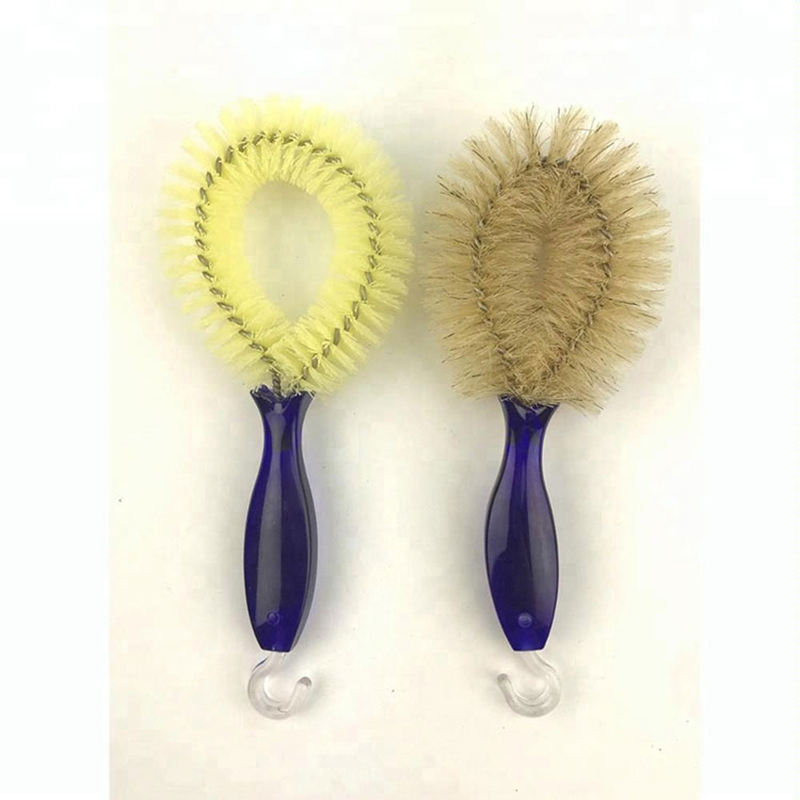
The advantages of integrating Rotchi Flexible Honing into your production line are substantial. Here are the primary benefits:
-
Superior Surface Finishing: Creates controlled, plateaued surfaces ideal for lubrication retention and part longevity.
-
Versatility Across Materials: Effectively processes metals, composites, ceramics, and certain plastics with a single tool setup.
-
Consistency on Complex Geometries: The compliant tooling ensures uniform finishing in bores, cross-holes, and irregular internal passages.
-
Burr Removal and Edge Radiusing: Simultaneously removes micro-burrs and creates consistent, gentle radii, improving part performance and safety.
-
Fast and Cost-Effective: Often achieves desired results in seconds, reducing labor costs and increasing throughput compared to manual methods.
To further illustrate the operational advantages, consider the following comparison:
| Feature | Traditional Rigid Honing | Rotchi Flexible Honing |
|---|---|---|
| Tool Conformity | Rigid, requires precise alignment | Flexible, self-aligns to workpiece |
| Geometry Handling | Best for simple, straight bores | Excels at complex, multi-diameter, or tapered paths |
| Process Speed | Typically slower, multi-stage setup | Rapid cycle times, often a single-pass process |
| Surface Outcome | Primarily for dimensional accuracy | Optimal for functional surface texture and deburring |
Flexible Honing FAQ
What types of surface finish can Flexible Honing achieve?
Flexible Honing is renowned for producing a cross-hatched, plateaued surface finish. This specific texture is excellent for retaining lubrication, reducing friction and wear in dynamic applications, and ensuring optimal seal performance in hydraulic or pneumatic components.
How long does a typical Flexible Honing tool last?
Tool life at Rotchi varies based on the abrasive grit material, workpiece hardness, and application parameters. Our silicon carbide tools offer excellent longevity for general-purpose deburring, while advanced boron carbide abrasives provide extended life for hardened steels. A single tool can typically finish hundreds to thousands of parts before requiring replacement.
Can Flexible Honing be automated?
Absolutely. Rotchi Flexible Honing tools are ideally suited for automation. They can be easily integrated into CNC machining centers, robotic cells, or dedicated benchtop machines. This allows for consistent, unattended operation, ensuring repeatable quality and integrating finishing seamlessly into a production workflow.
The strategic implementation of Flexible Honing is a proven method to enhance part quality, reduce production costs, and improve overall system reliability. From deburring critical fuel system components to preparing implantable medical device surfaces, the flexibility and consistency it offers are unmatched.
Ready to experience the Rotchi difference in your surface finishing process? Our engineering team is ready to help you select the perfect abrasive tool and optimize your parameters. Contact us today for a personalized consultation or to request a sample processing test.