

What Are the Sustainability and Recycling Challenges for Barrier Thermoforming Films
2025-12-31
In the quest for optimal product protection, Barrier Thermoforming Film has become an industry cornerstone, offering exceptional shelf-life extension for food, pharmaceuticals, and sensitive goods. However, as global focus sharpens on circular economies, the sustainability profile of these high-performance materials faces intense scrutiny. At Nacheng, we believe that understanding these challenges is the first step toward pioneering viable solutions for a greener packaging future.
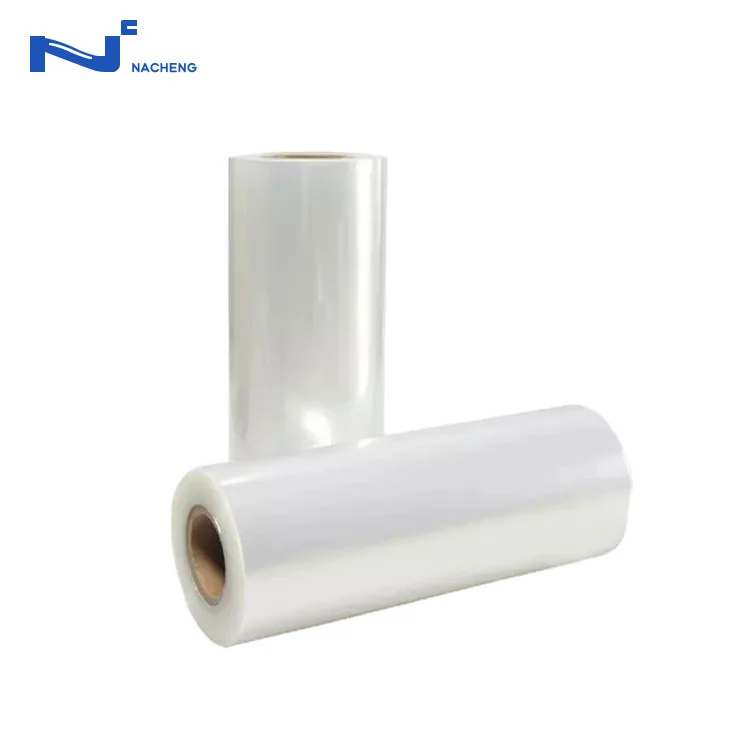
The primary sustainability hurdles for Barrier Thermoforming Film stem from its very design. To achieve superior barrier properties against oxygen, moisture, and light, these films are often complex multi-layer structures. This complexity, while excellent for functionality, creates significant end-of-life obstacles.
Key Challenges Include:
-
Material Complexity: Laminates of different polymers (e.g., PET, PE, PP, EVOH, PA) are difficult to separate, contaminating recycling streams.
-
Downcycling: Even when collected, recycled material often suffers from degraded properties, limiting its use to lower-value applications.
-
Infrastructure Gaps: Many municipal recycling facilities are not equipped to handle or sort these specialized flexible films effectively.
-
Economic Viability: The cost of collecting, sorting, and processing can outweigh the value of the recycled output, stifling market demand.
Recycling Pathways for Barrier Films:
The following table outlines the common methods and their associated limitations:
| Recycling Method | Process Description | Key Challenges for Barrier Films |
|---|---|---|
| Mechanical Recycling | Grinding, washing, and re-melting plastics into new pellets. | Polymer incompatibility leads to poor quality recycled material; sensitive to contamination. |
| Chemical/Advanced Recycling | Breaking polymers down to molecular level for repolymerization. | High energy and capital cost; still in scaling phase for widespread commercial use. |
Barrier Thermoforming Film FAQ
Q: Can Barrier Thermoforming Films be recycled at all?
A: Yes, but it is challenging. Monolayer films have a higher recycling potential. For multi-layer films, success depends on local infrastructure. Nacheng is actively developing mono-material barrier solutions that maintain performance while being designed for recyclability.
Q: What is the most sustainable alternative to traditional multi-layer barrier films?
A: Currently, the industry is advancing in three key directions: designing for recyclability (using compatible polymers), integrating higher percentages of post-consumer recycled (PCR) content where food-contact safe, and exploring certified compostable films for specific applications. The "best" alternative depends on the product's needs and end-of-life system availability.
Q: How can we improve the sustainability of packaging using these films?
A: A holistic approach is essential. This includes source reduction (using thinner, stronger films), design innovation (for recyclability or compostability), supporting improved waste collection systems, and clearly educating consumers on proper disposal to prevent contamination.
Navigating the sustainability journey requires expertise and commitment. At Nacheng, we are dedicated to overcoming these challenges by investing in R&D for next-generation, high-performance Barrier Thermoforming Film that aligns with circular economy principles.
Contact us today to discuss how we can help you balance unparalleled product protection with your critical sustainability goals. Let's build a more responsible packaging future together.