

What Is a Resin Toilet Seat?
2026-01-16
Abstract
A resin toilet seat has become an increasingly popular choice in both residential and commercial bathrooms due to its durability, hygiene performance, and design flexibility. However, many buyers still face uncertainty when comparing resin toilet seats with traditional plastic or wooden options. This article provides a comprehensive and structured explanation of what a resin toilet seat is, how it is manufactured, where it performs best, and how it addresses common customer pain points such as cracking, discoloration, hygiene, and long-term maintenance. The goal is to support informed purchasing decisions through clear, practical, and experience-based information.
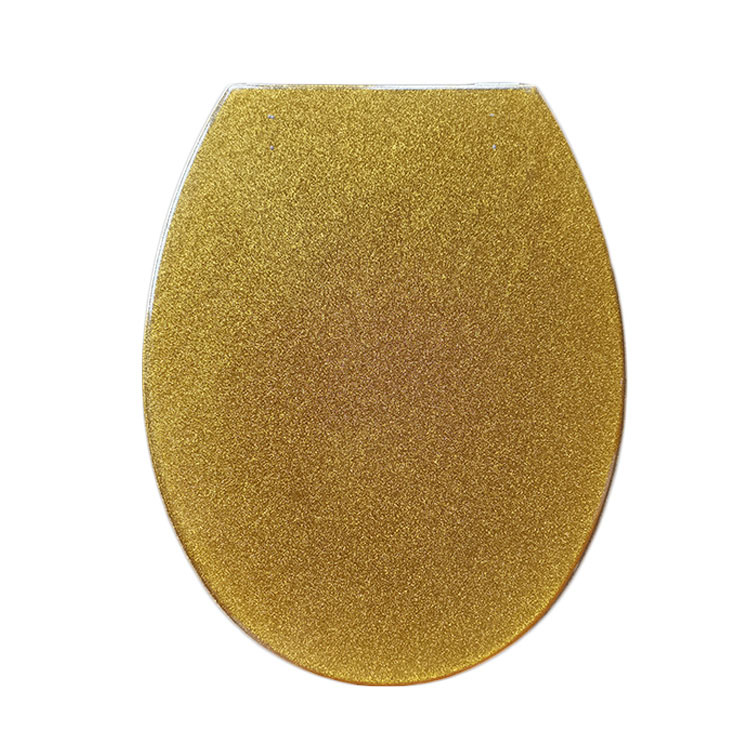
Table of Contents
- Article Outline
- Definition and Core Characteristics
- Material Structure and Manufacturing Process
- Key Benefits for End Users
- How Resin Toilet Seats Solve Common Problems
- Comparison with Other Toilet Seat Materials
- Typical Application Scenarios
- Selection and Maintenance Guidelines
- Frequently Asked Questions
- Conclusion and Contact Information
Article Outline
- Understanding the concept of a resin toilet seat
- Material composition and production logic
- Functional advantages in daily use
- Customer pain points and targeted solutions
- Material comparison for rational decision-making
- Residential and commercial use cases
- Practical buying and care recommendations
- Clear answers to common buyer questions
Definition and Core Characteristics
A resin toilet seat is a bathroom fixture manufactured primarily from synthetic resin materials, often combined with reinforcing fillers or additives to improve strength, surface stability, and resistance to environmental factors. Unlike traditional wooden seats or basic thermoplastic options, resin toilet seats are designed to deliver consistent performance under frequent use, moisture exposure, and cleaning cycles.
The defining characteristics of a resin toilet seat include a smooth non-porous surface, stable structural integrity, and the ability to maintain appearance over long service periods. These properties make resin-based solutions particularly suitable for environments where hygiene, durability, and visual consistency are critical.
Material Structure and Manufacturing Process
Resin toilet seats are typically produced using thermosetting or modified thermoplastic resin systems. The manufacturing process focuses on precision molding, controlled curing, and surface finishing to ensure uniform thickness and reliable load-bearing performance.
| Production Stage | Purpose |
|---|---|
| Resin formulation | Balances strength, flexibility, and surface smoothness |
| High-pressure molding | Ensures accurate dimensions and structural density |
| Surface treatment | Improves stain resistance and tactile comfort |
| Quality inspection | Verifies load capacity, finish quality, and durability |
This controlled production approach allows manufacturers to maintain consistent quality across large volumes, which is especially important for hotel chains, property developers, and distributors.
Key Benefits for End Users
- High resistance to moisture and humidity
- Non-porous surface that limits odor absorption
- Stable color and texture over time
- Comfortable touch temperature compared to ceramic or metal surfaces
- Wide compatibility with modern toilet designs
These benefits directly translate into lower replacement frequency and improved user satisfaction, particularly in high-traffic bathroom environments.
How Resin Toilet Seats Solve Common Problems
Many consumers experience recurring issues with traditional toilet seats, including cracking, surface yellowing, looseness, and hygiene concerns. Resin toilet seats are engineered to address these problems through material science and structural optimization.
- Cracking and deformation: Resin materials distribute load evenly and resist stress fractures.
- Discoloration: UV-stable formulations help maintain a clean appearance.
- Hygiene challenges: Smooth, sealed surfaces prevent bacteria accumulation.
- Maintenance burden: Easy-to-clean finishes reduce cleaning time and effort.
Comparison with Other Toilet Seat Materials
| Material Type | Durability | Hygiene Performance | Maintenance |
|---|---|---|---|
| Resin | High | Excellent | Low |
| Wood | Medium | Moderate | High |
| Standard plastic | Low to medium | Moderate | Medium |
From a long-term perspective, resin toilet seats often provide better value due to reduced replacement and maintenance costs.
Typical Application Scenarios
Resin toilet seats are widely used across multiple sectors due to their adaptability and reliability.
- Residential bathrooms and apartments
- Hotels and hospitality facilities
- Pet-friendly sanitation systems
- Commercial restrooms with high usage frequency
- Healthcare and hygiene-sensitive environments
Manufacturers such as Suzhou Fine Era have expanded resin toilet seat applications into specialized niches, including pet sanitation solutions, where durability and cleanliness are especially important.
Selection and Maintenance Guidelines
When selecting a resin toilet seat, buyers should focus on compatibility, load rating, hinge quality, and surface finish. Proper installation ensures long-term stability, while routine cleaning with non-abrasive agents preserves surface integrity.
- Confirm size compatibility with the toilet bowl
- Choose corrosion-resistant hinges
- Avoid harsh chemical cleaners
- Inspect mounting hardware periodically
Frequently Asked Questions
Is a resin toilet seat suitable for daily household use?
Yes. Resin toilet seats are designed for frequent use and perform reliably in typical household conditions.
Does a resin toilet seat feel cold in winter?
Compared to ceramic or metal surfaces, resin maintains a more neutral temperature, improving user comfort.
How long does a resin toilet seat usually last?
With proper installation and basic care, a high-quality resin toilet seat can last several years without performance degradation.
Conclusion and Contact Information
A resin toilet seat offers a balanced combination of durability, hygiene, comfort, and aesthetic stability. By addressing common user concerns and supporting a wide range of applications, it represents a practical upgrade from traditional materials. For buyers seeking reliable manufacturing quality and application-focused design, solutions developed by Suzhou Fine Era demonstrate how resin-based products can meet modern sanitation requirements.
To learn more about resin toilet seat solutions or to discuss customized requirements, please contact us for professional support and product consultation.