

What Is the Difference Between a Faucet Bidet Tap and a Handheld Bidet Sprayer
2026-07-10
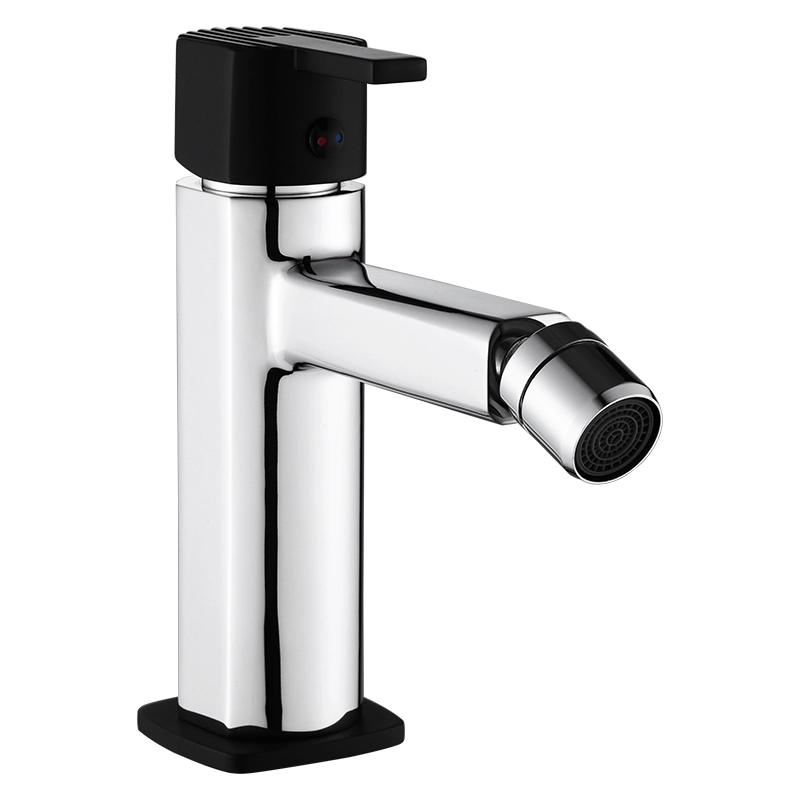
When upgrading a bathroom for better hygiene and water efficiency, many homeowners face a common dilemma: should they choose a Faucet Bidet Tap or a handheld bidet sprayer? Both products serve the same core purpose—personal cleansing after using the toilet—but they differ significantly in design, installation, usability, and long-term maintenance. Understanding these differences is essential for making an informed purchase. In this guide, we break down every aspect so you can decide which solution fits your bathroom layout, budget, and lifestyle. As a trusted manufacturer, KINGSDOM offers both configurations, but each shines in different scenarios.
Installation & Compatibility
The most immediate difference lies in how each unit connects to your existing plumbing.
| Feature | Faucet Bidet Tap | Handheld Bidet Sprayer |
|---|---|---|
| Mounting Location | Replaces or sits alongside the bathroom sink faucet | Mounts on the toilet tank or wall near the toilet |
| Water Source | Taps into the sink’s hot and cold water supply | Connects to the toilet’s cold water supply line (via a T-adapter) |
| Space Required | Requires countertop or sink-deck space | Needs wall or tank mounting clearance |
| Plumbing Complexity | Moderate (mixes hot/cold) | Low (cold water only, unless a separate thermostatic valve is added) |
| Ideal For | Bathrooms where the toilet is adjacent to the sink | Bathrooms with limited sink access or separate toilet cubicles |
A Faucet Bidet Tap integrates with your sink, meaning it draws water from the same mixer valve you use for handwashing. This allows temperature control—warm water for comfort. In contrast, a handheld sprayer typically uses cold water only, unless you install an additional blending valve, which adds cost and complexity.
User Experience & Ergonomics
Daily usability is where the two designs diverge most noticeably.
-
Faucet Bidet Tap: The spray nozzle is fixed on the sink deck, often with a pull-out or swiveling spout. You position yourself over the toilet, then lean or reach toward the sink to activate the spray. The water stream is directed downward into the bowl. This design keeps the nozzle clean and self-draining, as it rests above the sink.
-
Handheld Bidet Sprayer: A wand attached to a flexible hose gives you full freedom of movement. You aim the spray directly where needed, which many users find more intuitive. However, the hose can trail on the floor, and the wall-mounted bracket may not suit every aesthetic.
KINGSDOM engineers its Faucet Bidet Tap models with a 360° rotating spout and a ergonomic push-button diverter, making one-handed operation effortless. The fixed position also eliminates the risk of dropping the wand—a common complaint with handheld units.
Hygiene & Maintenance
Hygiene is the primary reason for choosing a bidet product, but maintenance habits differ.
| Aspect | Faucet Bidet Tap | Handheld Bidet Sprayer |
|---|---|---|
| Nozzle Self-Cleaning | Yes—nozzle retracts and flushes itself | No—manual wiping required |
| Cross-Contamination Risk | Low (no contact with bowl water) | Moderate (wand tip can touch bowl rim) |
| Limescale Buildup | Visible on sink deck—easy to descale | Inside hose and nozzle—harder to access |
| Cleaning Frequency | Wipe spout weekly | Disassemble nozzle monthly |
Because the Faucet Bidet Tap sits above the sink, it stays away from toilet splash zones. Handheld sprayers, by contrast, are often stored near the toilet tank, where airborne particles can settle on the wand. KINGSDOM recommends the Faucet Bidet Tap for shared bathrooms or rental properties where multiple users benefit from hands-free hygiene.
Cost & Long-Term Value
Budget considerations go beyond the initial purchase price.
-
Faucet Bidet Tap: Higher upfront cost ($60–$150) but saves water by using the existing sink mixer. No extra holes in the toilet tank, reducing leak risks.
-
Handheld Sprayer: Lower entry price ($20–$50), but cold-only usage may lead some users to supplement with warm water kits, raising total cost.
Over five years, the Faucet Bidet Tap from KINGSDOM often proves more economical because it reduces toilet paper usage by up to 75% while requiring no battery or electricity. The durable ceramic disc valve ensures leak-free performance for over 500,000 cycles.
Faucet Bidet Tap FAQ – Common Questions
Q1: Can a Faucet Bidet Tap be installed if my toilet is not next to the sink?
A: No—the Faucet Bidet Tap relies on the sink’s hot and cold water lines. The distance between the sink and toilet should be less than 60 cm (24 inches) for the spray reach to be effective. If your toilet is in a separate water closet, a handheld sprayer or a dedicated bidet seat would be more practical. In such cases, KINGSDOM offers extension hose kits, but we always advise measuring your layout before purchasing.
Q2: Does a Faucet Bidet Tap work with low water pressure?
A: Yes, but performance depends on your home’s overall pressure. Most Faucet Bidet Tap models require a minimum of 0.5 bar (7 psi) to activate the internal flow diverter. KINGSDOM designs its units with a larger internal bore (6 mm) to accommodate gravity-fed systems common in older buildings. If your pressure is below 0.3 bar, we recommend installing a booster pump or choosing our high-pressure model specifically rated for low-flow conditions. Always check your static pressure before installation.
Q3: How do I prevent the Faucet Bidet Tap from dripping after use?
A: Dripping usually occurs due to residual water in the spout or a worn-out O-ring. First, ensure the diverter lever returns fully to the “off” position—some users accidentally leave it partially engaged. If dripping persists, inspect the ceramic cartridge; KINGSDOM uses a dual-seal cartridge that stops flow within 0.5 seconds of closing. For hard-water areas, descale the aerator monthly by soaking it in white vinegar. If the issue continues after six months, the internal spring may need replacement—contact our support team for a free maintenance guide.
Which One Should You Choose?
Choose a Faucet Bidet Tap if:
-
Your toilet and sink share the same wall or counter.
-
You prefer warm water cleansing without extra electrical heaters.
-
You want a built-in, clutter-free look.
-
You value self-cleaning nozzles for shared households.
Choose a handheld sprayer if:
-
Your toilet is far from the sink.
-
You need a portable, angle-adjustable stream.
-
You are on a tight budget and can tolerate cold water.
-
You already have a spare hole in your toilet tank.
KINGSDOM has observed that over 70% of new buyers in Europe and North America now prefer the Faucet Bidet Tap for its seamless integration and superior hygiene profile. However, we manufacture both types, so our team can guide you based on your floor plan and water system.
Final Verdict
The Faucet Bidet Tap excels in fixed, sink-adjacent setups where comfort and cleanliness are paramount. The handheld sprayer wins on flexibility and price but sacrifices temperature control and self-cleaning convenience. Neither is objectively better—they serve different bathroom architectures. For renovations or new builds, the Faucet Bidet Tap offers a more permanent, valuable upgrade that adds resale appeal. For renters or temporary installations, the handheld option remains a viable entry point.
Contact Us
Still unsure which model suits your bathroom? KINGSDOM provides free layout consultations and 3D installation previews to eliminate guesswork. Our technical team answers all pre-purchase questions within 4 business hours. Visit our official website to compare real-user photos or send a message through our live chat. For bulk orders, custom finishes, or OEM requirements, request a quote directly—we reply with drawings and sample policies within one working day. Contact KINGSDOM today and let our specialists match you with the perfect Faucet Bidet Tap or handheld sprayer for your unique space. Your ideal bathroom upgrade is just one click away.