

What Maintenance Does a Large Red Cedar Cold Plunge with 304 Stainless Steel Require Monthly
2026-07-07
Owning a Large Red Cedar Cold Plunge with 304 Stainless Steel is a premium investment in recovery, wellness, and outdoor aesthetics. However, like any high-end system, its longevity and performance depend entirely on consistent care. At Hi-Q Group, we have engineered our plunge systems to minimize maintenance, but monthly attention remains non‑negotiable. This guide breaks down every task, schedule, and pro tip to keep your plunge pristine, safe, and efficient—year after year.
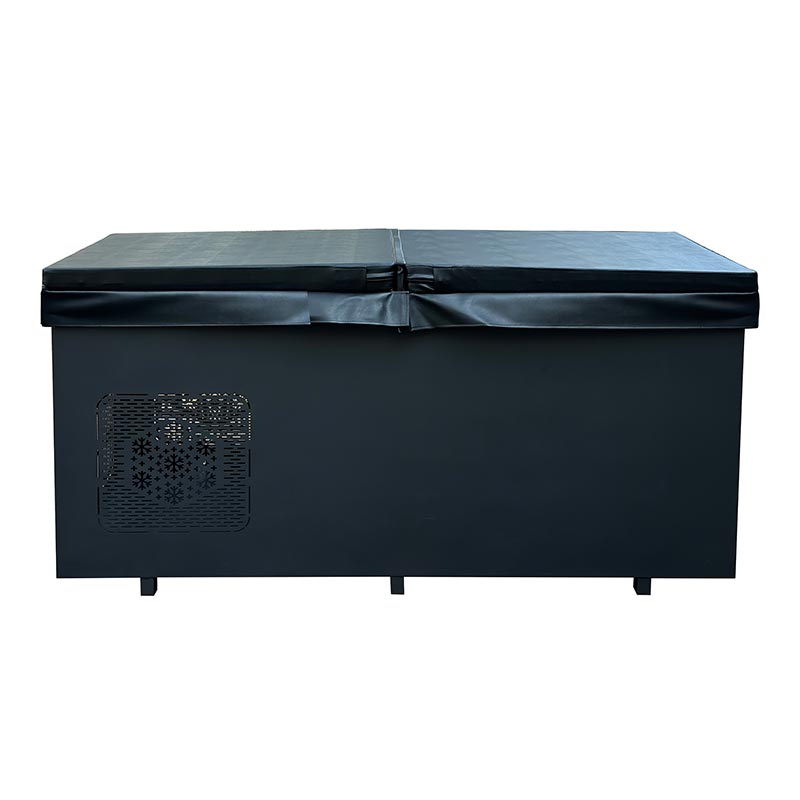
Monthly Maintenance Checklist (At a Glance)
| Task | Frequency | Time Needed | Critical For |
|---|---|---|---|
| Water chemistry testing & balancing | Weekly + monthly deep check | 10 min | Skin safety & equipment life |
| Surface wipe‑down (cedar & steel) | Every 2‑3 uses | 5 min | Preventing biofilm & stains |
| Filter cartridge cleaning or replacement | Monthly | 15 min | Water clarity & pump efficiency |
| Chiller condenser coil dusting | Monthly | 10 min | Cooling performance & energy use |
| Full drain, scrub & refill | Every 4‑6 weeks | 90 min | Bacterial control & fresh feel |
| Seal & gasket inspection | Monthly | 5 min | Leak prevention |
| Cover & insulation check | Monthly | 3 min | Temperature stability & debris blocking |
Step‑by‑Step Monthly Routine
1. Water Chemistry Balancing
Test pH (ideal 7.2–7.8), total alkalinity (80–120 ppm), and sanitizer levels (bromine or chlorine, 1–3 ppm). Use a digital meter or test strips. Adjust with pH up/down and shock oxidizers monthly—even if you use the plunge lightly. Stagnant or unbalanced water accelerates corrosion risk, though your 304 stainless steel interior resists pitting far better than lower grades.
2. Interior & Exterior Cleaning
Drain approximately 30% of the water, then wipe the interior cedar walls with a soft sponge and mild, non‑foaming cleaner (dilute white vinegar works). Rinse thoroughly. For the 304 stainless steel rim and ladder, use a stainless‑safe polish to remove fingerprints and hard water spots. Never use steel wool or chlorine‑based bleach on the steel—it can break down the passive layer.
3. Filter Maintenance
Your plunge uses a pre‑filter and a main cartridge. Remove the cartridge monthly; rinse it with a garden hose until debris clears. Soak it in a filter‑cleaning solution for 2 hours, then rinse again. Replace the cartridge every 3–6 months. A clogged filter forces the chiller to overwork, raising electricity bills and shortening compressor life.
4. Chiller Condenser Coils
Dust and lint accumulate on the chiller’s rear coils. Unplug the unit, use a soft brush or vacuum with a brush attachment, and gently clean between the fins. This single task can improve cooling efficiency by up to 25%—essential for maintaining that 45–55°F range even in summer.
5. Full Drain & Deep Clean (Every 4–6 Weeks)
For heavy users (daily dips), schedule a complete drain. Use a submersible pump or gravity drain. Once empty, scrub the entire cedar interior with a mixture of baking soda and warm water—avoid harsh detergents that can leach into the wood. Rinse twice, refill with fresh water, and re‑balance chemicals. This prevents slime buildup and keeps the natural cedar aroma intact.
6. Gasket, Seal & Cover Inspection
Check the drain plug gasket, the chiller hose connections, and the lid seal. Cracks or flattening cause slow leaks. Wipe the cover’s underside with a dry cloth to prevent mildew. Ensure the cover straps are taut—a loose cover invites debris and raises chiller load.
Pro Tips from Hi-Q Group Engineers
-
Keep a logbook – record pH, temperature, and cleaning dates. This helps spot trends (e.g., alkalinity dropping faster in rainy weeks).
-
Use a floating chemical dispenser – it releases sanitizer gradually, reducing the need for daily manual dosing.
-
Winter care – if you live in freezing climates, keep the chiller running or use a recirculation timer to prevent internal ice damage. The 304 stainless steel handles thermal shock well, but the pump and lines do not.
Frequently Asked Questions (FAQ)
Q1: Can I use saltwater or a salt chlorine generator with my Large Red Cedar Cold Plunge with 304 Stainless Steel?
A: Yes, but with caution. 304 stainless steel is moderately corrosion‑resistant, but salt (sodium chloride) accelerates pitting if chlorine levels are too high or pH drifts below 7.2. Hi-Q Group recommends using a bromine‑based system instead of salt for most home plunges. If you do use salt, keep salinity under 2,500 ppm, test pH daily, and inspect the steel rim and fittings weekly for any dark spots—which signal early corrosion. Rinse the steel with fresh water after each use if salt is your chosen sanitizer.
Q2: How do I prevent the cedar wood from drying, cracking, or turning gray?
A: The exterior of your Large Red Cedar Cold Plunge with 304 Stainless Steel is naturally rot‑resistant, but UV and rain take a toll. Monthly, apply a food‑grade mineral oil or a dedicated cedar sealant (non‑toxic) to the exterior wood—not the interior water‑contact surface. For the inside, never oil it; the natural tannins will leach and discolor the water. Cracking usually happens when the plunge sits empty and dry for days. If you drain it, refill within 48 hours or keep the interior damp with a wet towel. Hi-Q Group offers a breathable cedar conditioner that we apply during manufacturing—reapply every 6 months for optimal grain protection.
Q3: My chiller runs longer than usual—does that mean the Large Red Cedar Cold Plunge with 304 Stainless Steel has a leak or insulation failure?
A: Not necessarily. Extended run time is most often caused by (1) a dirty condenser coil (fix: clean monthly), (2) low water flow from a clogged filter (fix: rinse or replace), or (3) ambient temperature above 95°F—the chiller simply works harder. Insulation failure is rare because your plunge uses thick cedar (natural insulator) plus an external insulating jacket on the chiller lines. To test for a leak, mark the water level and check it 24 hours later (with the cover on). A drop of more than ½ inch suggests a slow leak, usually at the drain gasket or hose union. Tighten fittings and replace the gasket if it feels hard or cracked. If run time remains high after these checks, contact Hi-Q Group service—our team can remotely diagnose chiller performance data.
Summary Table: Monthly vs. Quarterly Tasks
| Monthly (Must‑Do) | Quarterly (Recommended) |
|---|---|
| Test & balance water chemistry | Replace filter cartridge |
| Wipe cedar interior & steel rim | Deep‑clean chiller evaporator plate |
| Clean or soak filter cartridge | Inspect electrical cords & GFCI |
| Brush condenser coils | Apply exterior cedar UV protectant |
| Inspect all seals & gaskets | Calibrate digital thermometer |
Final Word on Consistency
Skipping one month of maintenance won’t destroy your Large Red Cedar Cold Plunge with 304 Stainless Steel, but cumulative neglect leads to cloudy water, inefficient chilling, and premature wear on seals and the pump. The cedar stays beautiful, and the 304 stainless steel stays gleaming—provided you give them the 20‑minute weekly attention they deserve. Hi-Q Group designs every component for easy access: tool‑free drain caps, quick‑release filter housings, and clearly marked chemical guidelines.
Ready to simplify your maintenance routine? Contact Hi-Q Group today for a personalized care kit (including our proprietary filter cleaner, pH stabilizer, and steel polish). We also offer annual service visits and remote chiller monitoring—so you can focus on recovery, not chores. Visit our website or call our support line to speak with a plunge specialist. Your Large Red Cedar Cold Plunge with 304 Stainless Steel was built to last decades—let’s make sure it does, together. Reach out now and receive a free maintenance logbook with your first service order.