

What Makes a Multifunctional Toilet Cleaner Effective for Modern Bathroom Cleaning?
2026-09-24
A toilet cleaner needs to do more than remove visible stains. For households, hotels, offices, commercial buildings, and facility-management teams, an effective Multifunctional Toilet Cleaner should help tackle scale, urine stains, soap residue, unpleasant odors, and everyday surface contamination while remaining practical for regular cleaning. This guide explains how multifunctional toilet cleaners work, what performance factors matter during product selection, how to use them efficiently, and what buyers should consider when sourcing cleaning products for different markets.
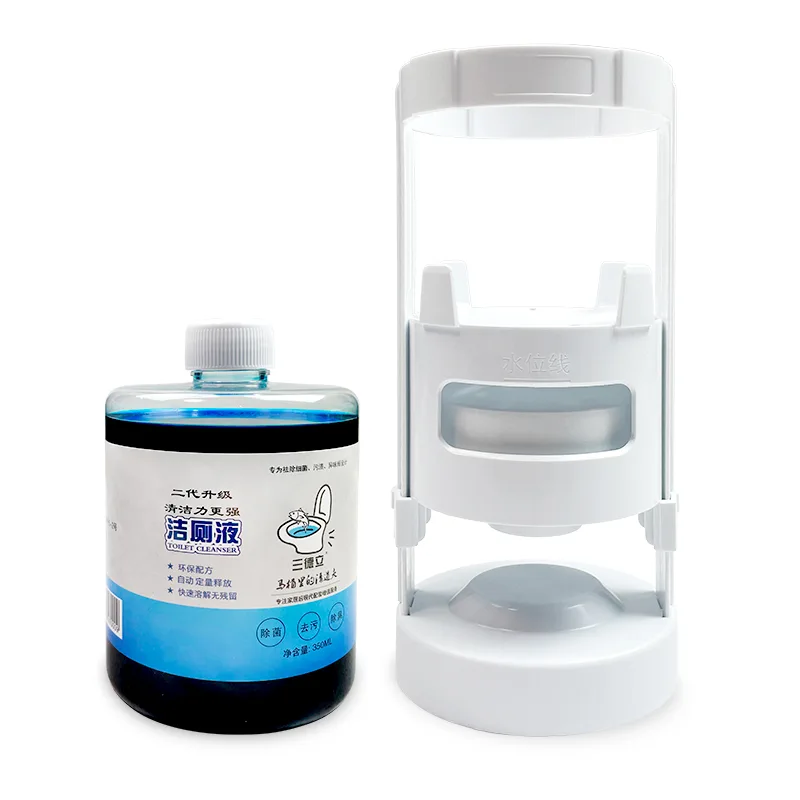
What Is a Multifunctional Toilet Cleaner?
A Multifunctional Toilet Cleaner is formulated to address several common bathroom-cleaning requirements within one cleaning solution. Depending on the formulation, it may help loosen mineral deposits, remove yellow or brown stains, break down organic residues, reduce unpleasant odors, and leave ceramic toilet surfaces visibly cleaner.
The main advantage is convenience. Instead of requiring separate products for limescale, stains, odor control, and routine toilet cleaning, users can select one product designed to perform several cleaning tasks. This can simplify household cleaning and make cleaning routines more efficient in hotels, restaurants, offices, schools, hospitals, shopping centers, and other facilities.
For manufacturers and distributors, multifunctionality can also make a toilet-cleaning product easier to position in the market. A well-designed formula can serve consumers who want convenient daily cleaning while also meeting the practical requirements of professional cleaning teams.
Why Ordinary Toilet Cleaning Can Be Difficult
Toilet bowls are exposed to repeated contact with water, urine, mineral deposits, organic residues, and cleaning products. Over time, these substances can form stubborn marks that are difficult to remove with a mild general-purpose cleaner.
Mineral Scale
Hard-water minerals can accumulate around the waterline and other frequently wet areas, producing white, gray, or yellow deposits.
Urine Stains
Repeated exposure to urine residues can contribute to discoloration and stubborn deposits, especially when cleaning is irregular.
Odor Problems
Odors can remain when residues accumulate in areas that are not adequately cleaned or rinsed.
Frequent Cleaning
High-traffic bathrooms require products that are practical for repeated cleaning without creating unnecessarily complicated procedures.
These challenges explain why product performance cannot be judged simply by how quickly a cleaner produces foam or how strong its fragrance smells. The more important question is whether the formulation can address the specific residues found in toilet environments and provide consistent results when used according to its instructions.
Key Cleaning Functions in One Product
A multifunctional formula can combine several cleaning objectives. The exact performance depends on the ingredients, concentration, application method, contact time, and surface condition.
| Cleaning Function | Main Purpose | Typical User Concern |
|---|---|---|
| Scale Removal | Loosen mineral deposits and waterline buildup | Hard-water stains |
| Stain Cleaning | Remove visible discoloration and attached residues | Yellow, brown, or dark marks |
| Residue Breakdown | Help loosen organic and bathroom residues | Difficult-to-clean surfaces |
| Odor Control | Reduce unpleasant smells associated with residues | Poor bathroom freshness |
| Routine Maintenance | Support regular cleaning between heavier cleaning cycles | High-frequency bathroom use |
Combining these functions does not necessarily mean that one product should be used indiscriminately on every bathroom surface. Toilet bowls, toilet seats, metal fittings, natural stone, painted surfaces, and other materials may have different compatibility requirements. Always follow the product label and manufacturer recommendations.
How the Formulation Affects Cleaning Performance
The performance of a toilet cleaner is closely related to its formulation. Different ingredients can serve different roles, and the balance between cleaning strength, surface compatibility, stability, fragrance, viscosity, and user experience can influence the final product.
Acidic cleaning components are commonly associated with the removal of mineral-based deposits such as limescale. The appropriate acid system and concentration can affect how efficiently deposits are loosened while also influencing material compatibility.
Surfactants can help improve wetting and spreading across the surface. Better surface contact allows the cleaning solution to reach residues more evenly instead of simply running away from the application area.
Fragrance systems can improve the perceived freshness after cleaning, but fragrance should not be confused with actual cleaning performance. A strong scent does not automatically indicate effective stain or scale removal.
Viscosity is another practical factor. A slightly thicker product may remain on a vertical or curved surface longer, giving the active ingredients additional contact time. However, the ideal viscosity depends on the intended application and dispensing system.
Where Multifunctional Toilet Cleaner Can Be Used
The primary application is usually the toilet bowl and related ceramic surfaces. Depending on the specific product instructions, a multifunctional cleaner may also support cleaning around the waterline, under the rim, and on other compatible bathroom areas.
- Residential bathrooms and guest bathrooms
- Hotel and hospitality facilities
- Office and commercial buildings
- Restaurants and public facilities
- Schools and institutional buildings
- Property-management and facility-maintenance operations
- Professional cleaning-service applications
Commercial environments often place greater emphasis on cleaning efficiency because staff may need to maintain multiple bathrooms within a limited time. In these situations, a product that combines several cleaning functions can help simplify the cleaning workflow and reduce the number of different bottles required.
How to Use Toilet Cleaner Efficiently
Effective cleaning is not determined by product strength alone. Correct application can make a significant difference, especially when dealing with accumulated deposits.
One important safety principle is to never mix toilet cleaners with other cleaning chemicals unless the manufacturer specifically states that they are compatible. In particular, acidic cleaners should not be combined with chlorine-containing products because dangerous gases may be generated. Product labels, safety data sheets, and local regulations should always be followed.
What Buyers Should Check Before Purchasing
For consumers, cleaning performance and ease of use are usually the immediate concerns. For importers, distributors, retailers, hotels, and professional cleaning companies, product evaluation involves additional factors.
| Factor | Why It Matters |
|---|---|
| Cleaning Performance | Determines whether the product can address the target stains and deposits. |
| Surface Compatibility | Helps prevent inappropriate use on sensitive or incompatible materials. |
| Packaging | Bottle shape, cap design, leakage resistance, and dispensing method affect usability. |
| Fragrance | Influences the user experience and can be important for consumer-market positioning. |
| Specification & Documentation | Commercial buyers may need product specifications, safety documentation, packaging details, and regulatory information. |
| Supply Capability | Stable production, packaging capacity, lead time, and batch consistency matter for repeat orders. |
A professional buyer should evaluate samples under realistic conditions instead of relying solely on a product name or marketing description. Water hardness, stain age, cleaning frequency, surface material, application method, and local user expectations can all influence actual performance.
Multifunctional Toilet Cleaner vs. Single-Purpose Products
Single-purpose cleaning products can be useful when a specific problem requires a specialized formula. However, multifunctional products are designed around convenience and broader everyday cleaning needs.
Multifunctional Formula
- Supports several routine cleaning tasks
- Can simplify product selection
- Suitable for households and many commercial settings
- Can reduce the number of cleaning products required
Single-Purpose Formula
- Designed around a particular cleaning problem
- May be useful for heavily specialized applications
- Can complement a broader cleaning program
- May require additional products for other cleaning tasks
These products do not necessarily compete directly in every application. A professional cleaning program may use a multifunctional toilet cleaner for routine maintenance while keeping specialized products available for exceptional conditions. The right approach depends on the cleaning environment and the product's verified performance.
Considerations for Wholesale and Private Label Buyers
When sourcing a Multifunctional Toilet Cleaner for wholesale, distribution, or private-label business, the purchasing decision extends beyond the formula itself. Buyers need to consider whether the supplier can provide consistent product quality and packaging suited to the target market.
Formula customization can be important when different markets have different fragrance preferences, cleaning expectations, packaging requirements, or regulatory conditions. A supplier with formulation and production capabilities may be able to adjust the product according to the buyer's intended market.
Packaging options should also be discussed early. Bottle capacity, closure type, label size, carton configuration, and shipping requirements can influence the total landed cost and retail presentation.
Batch consistency is particularly important for repeat orders. A product that performs well in an initial sample should deliver comparable characteristics in subsequent production batches. Buyers can ask suppliers about production controls, quality inspection procedures, raw-material management, and batch records.
Sandeli can be considered as a supplier option for buyers looking for toilet-cleaning products and related household cleaning solutions. When evaluating a supplier, buyers should communicate their target market, preferred packaging, order quantity, product positioning, and documentation requirements clearly so that the supplier can provide a more accurate quotation and product proposal.
A Practical Checklist Before Placing an Order
For importers and distributors, the following checklist can help organize the product evaluation process:
- Confirm the target application and main stain problems.
- Request a product specification and ingredient-related documentation where applicable.
- Test samples on representative toilet surfaces.
- Check cleaning performance under realistic water and stain conditions.
- Confirm bottle size, packaging configuration, and labeling requirements.
- Discuss MOQ, production lead time, shipping packaging, and repeat-order capacity.
- Verify documentation and regulatory requirements for the destination market.
- Clarify customization options for fragrance, formula, packaging, and private-label requirements.
Frequently Asked Questions
1. What does a multifunctional toilet cleaner remove?
Depending on its formulation, it may help remove mineral scale, urine-related deposits, stains, organic residues, and unpleasant odors. Actual performance varies by formula and stain condition.
2. Can multifunctional toilet cleaner be used every day?
Some products are designed for routine cleaning, while others are intended for periodic or heavy-duty use. The recommended frequency should always follow the product label and manufacturer's instructions.
3. Does a stronger fragrance mean better cleaning performance?
No. Fragrance mainly affects the perceived freshness of the bathroom. Cleaning performance depends on the formulation, active components, concentration, contact time, and mechanical action.
4. Can toilet cleaner be mixed with bleach?
Toilet cleaners should not be mixed with bleach or other cleaning chemicals unless the manufacturer explicitly confirms compatibility. Acidic products can react with chlorine-containing products and may release hazardous gases.
5. Is multifunctional toilet cleaner suitable for commercial bathrooms?
It can be suitable for hotels, offices, restaurants, schools, and other commercial environments when the formulation is designed for the intended application. Buyers should verify cleaning performance, usage instructions, packaging, and supply capacity before large-scale adoption.
6. What packaging options are available for wholesale orders?
Packaging can vary according to the supplier and target market. Common considerations include bottle volume, trigger or angled nozzle design, cap type, label format, carton quantity, and private-label requirements.
7. How should importers evaluate a new toilet-cleaner supplier?
Importers can begin with samples and technical documentation, then evaluate cleaning performance, packaging quality, batch consistency, production capacity, MOQ, lead time, customization capability, and documentation required for the destination market.
8. Can Sandeli provide customized toilet-cleaning products?
Customization depends on the specific project and order requirements. Buyers can discuss formula preferences, fragrance, bottle size, labeling, packaging configuration, and private-label requirements with Sandeli before confirming an order.
Looking for a Multifunctional Toilet Cleaner Supplier?
Whether you are sourcing toilet cleaner for wholesale distribution, retail sales, hospitality use, or a private-label project, selecting the right formula and supply partner can make a significant difference in product performance and long-term purchasing stability. Contact Sandeli to discuss your product requirements, packaging preferences, target market, and order plans.
Contact Us