

Article Summary
Choosing a shower gel sounds simple until your skin feels tight, your fragrance fades in minutes, or the formula leaves a slippery film you never asked for. This article breaks down what people actually need from a daily cleanser: gentle cleansing, balanced moisture, skin-friendly ingredients, dependable texture, and a scent profile that fits real routines. It also explains how to compare formulas for different skin types, how to avoid common buying mistakes, and why product consistency matters when building trust in a personal care brand. For buyers, product developers, and brand owners, this is the practical side of shower gel selection without the usual fluffy nonsense.
Contents
Article Outline
- The common frustrations people have with everyday body cleansers
- The essential signs of a reliable shower gel formula
- How skin type changes what “good” really means
- A practical comparison table for product evaluation
- Why steady product performance matters in manufacturing and brand building
- Buying mistakes that lead to wasted time, returns, and weak repeat purchase
- Answers to the most common questions customers ask before choosing a shower gel
Why Does Shower Gel Disappoint So Many Users
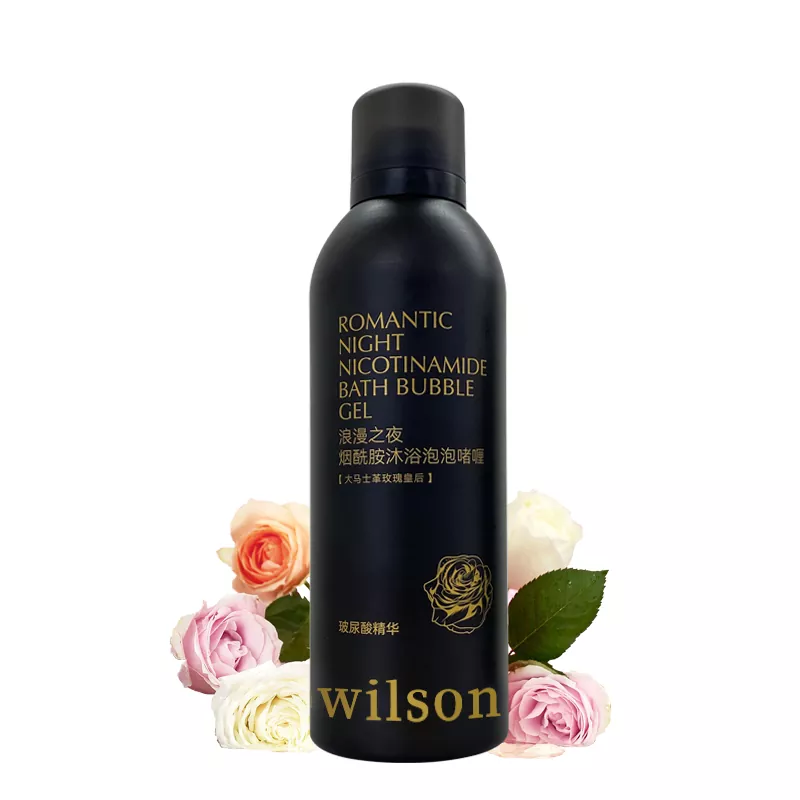
A lot of people buy a shower gel for one simple reason: they want to feel clean and comfortable without turning a five-minute shower into a chemistry experiment. Yet disappointment is common. One formula smells nice in the bottle but disappears on skin. Another creates rich foam but leaves dryness behind. Some rinse poorly, some feel too heavy, and some are so strongly fragranced that the shower becomes less refreshing and more like a scented ambush. Humanity really did manage to complicate soap.
Most complaints fall into a few familiar categories. First, the cleansing power is too aggressive for frequent use. Second, the moisturizing claim sounds generous but does not translate into actual skin comfort. Third, the texture may look luxurious but feels sticky or hard to rinse off. Fourth, the scent may be trendy but not wearable day after day. Finally, many buyers do not know how to judge a formula before they use it, which means they keep making the same expensive mistake in prettier packaging.
This is exactly why a good shower gel should never be judged by fragrance alone. Daily body cleansing is not just about perfume and foam. It is about how the formula behaves on wet skin, how it rinses, how the skin feels twenty minutes later, and whether the user wants to reach for it again tomorrow. That last part matters more than most labels admit.
What Should a Good Shower Gel Actually Do
A dependable shower gel has a simple job, but it should do that job well and consistently. It needs to cleanse away sweat, oil, and daily buildup without stripping the skin barrier. It should lather enough to feel satisfying, yet rinse clean without leaving a film. It should have a texture that is easy to dispense and spread, and the fragrance should support the experience rather than dominate it.
The best formulas usually balance four things at once:
- Gentle cleansing so skin feels fresh instead of squeaky and tight
- Comfort after rinsing so users do not rush for body lotion out of panic
- Stable texture and appearance so the product looks and performs reliably from the first use to the last
- Pleasant sensory experience through foam, fragrance, and rinse feel that suit daily habits
A better shower gel is not necessarily the one with the most dramatic claims. It is the one that fits ordinary life. That means it works after a quick morning shower, after the gym, in hot weather, in dry weather, and in households where more than one person may use it. A formula that feels good only under ideal conditions is not especially useful. It is just good at marketing photography.
This is where product development makes a difference. A company such as Wilson Cosmetics Co., Ltd. is not just selling a bottle of cleanser. It is shaping how consumers experience comfort, cleanliness, and trust through formula design, texture control, fragrance direction, and manufacturing consistency. Those things sound technical because they are technical, but the consumer feels the result immediately.
Which Shower Gel Fits Different Skin Types
Not every shower gel suits every body. That should be obvious, yet plenty of products are marketed as if one formula can make every skin type happy. Skin does not care about slogans. It reacts to ingredients, frequency of use, climate, and personal sensitivity.
Here is the practical way to think about it:
-
Dry skin
Look for a shower gel with a softer cleansing profile and added moisturizing support. The goal is to cleanse without increasing tightness or flaking. -
Oily or active skin
A fresh, clean-rinsing formula often works best, especially for users who shower after exercise or in humid climates. The formula should remove buildup without feeling harsh. -
Sensitive skin
Simplicity matters. Overly strong fragrance, harsh surfactants, or heavy colorants can create discomfort for some users. A milder formula is usually the smarter choice. -
Normal skin
This group has more flexibility, but daily comfort still matters. Even normal skin can become dry or reactive when a cleanser is too aggressive.
Buyers who source shower gel for a market should also pay attention to region and consumer habit. A lightweight fresh formula may sell well in warm climates, while a creamier shower gel may feel more attractive in dry or cold conditions. People do not buy in a vacuum. They buy in seasons, routines, and moods.
How Can Buyers Compare Shower Gel Options Faster
Whether you are choosing a product for retail, private label, hospitality, or your own brand line, a comparison framework helps. Buyers often waste time focusing on packaging before they evaluate formula performance. The bottle matters, sure, but nobody stays loyal to a cleanser that makes skin feel miserable.
| What to Compare | Why It Matters | What to Look For |
|---|---|---|
| Cleansing feel | Determines whether users feel refreshed or stripped after washing | A clean finish without dryness or squeaky tightness |
| Foam texture | Shapes the sensory experience and perceived quality | Foam that feels rich enough but rinses away easily |
| Moisture comfort | Supports repeat use, especially for daily shower routines | Skin that feels soft and calm after towel drying |
| Fragrance profile | Strongly affects preference and repurchase | A scent that is pleasant, balanced, and not overwhelming |
| Texture stability | Signals manufacturing consistency and storage reliability | Even viscosity, clear appearance, and no separation issues |
| Target user fit | Prevents mismatch between product promise and real need | Clear alignment with skin type, routine, and market position |
A smart buying decision usually comes from testing the formula in real conditions rather than relying on one dramatic first impression. Try it in a quick shower, after exercise, and during repeated use over several days. That is when weak points show up. Fragrance fatigue, dryness, poor rinsing, and texture issues rarely stay hidden for long.
Why Does Formulation Quality Matter for a Growing Brand
In personal care, repeat purchase is built on trust. A shower gel may be affordable, attractive, and well packaged, but if the experience is inconsistent, customers notice. One batch feels silky, another feels watery. One scent smells clean, another feels too sharp. One bottle rinses beautifully, another leaves a residue. That kind of inconsistency quietly damages a brand faster than most people realize.
This is why formulation quality is not just a lab issue. It is a business issue. Product performance influences reviews, word of mouth, returns, and long-term customer confidence. When a shower gel feels right every day, it becomes part of a routine. Once it becomes part of a routine, it becomes harder to replace. That is where real product value lives.
Wilson Cosmetics Co., Ltd. sits in a category where reliability matters as much as appeal. Buyers want a shower gel that looks market-ready, but they also want one that delivers a stable user experience across different sales channels and consumer expectations. In a crowded category, steady quality is not glamorous, but it wins. Usually because it gives people fewer reasons to complain on the internet, which is already a miracle by modern standards.
For brand owners, that means choosing a manufacturing partner or product direction that supports more than launch speed. It means looking at texture, cleansing comfort, fragrance suitability, production consistency, and the kind of product feedback the formula is likely to generate over time.
What Mistakes Should You Avoid Before Buying
The most common buying mistakes are surprisingly avoidable:
-
Choosing by fragrance only
A beautiful scent can help, but if the formula dries the skin or rinses poorly, that charm wears off fast. -
Ignoring the target user
A gym-focused shower gel, a family-use body wash, and a premium gift-market formula do not need the same sensory profile. -
Overlooking texture stability
A product should remain consistent during storage and regular use, not just on the day the sample arrives. -
Skipping repeated-use testing
One shower is not enough. Skin comfort and user preference become clearer after several uses. -
Falling for vague claims
Specific product performance matters more than dreamy wording. “Refreshing,” “luxurious,” and “advanced” mean very little without a real user benefit behind them.
If the goal is a shower gel that people actually finish and rebuy, practical performance should lead the decision. Good personal care products earn loyalty through small repeated wins: easy use, pleasant cleansing, comfortable skin feel, and no irritating surprises.
FAQ
1. Is shower gel better than traditional bar soap?
It depends on the formula and the user’s skin needs. Many people prefer shower gel because it is easy to use, easy to rinse, and often offers a more tailored sensory experience. A well-made shower gel can also feel gentler for daily use.
2. Can I use shower gel every day?
Yes, daily use is common, but the formula matters. A shower gel intended for regular cleansing should leave skin feeling clean and comfortable rather than dry and over-cleansed.
3. Which shower gel is best for dry skin?
A milder formula with better moisture support is usually the safer choice. Look for a shower gel designed to cleanse gently while helping skin feel soft after rinsing.
4. Why does some shower gel feel hard to rinse off?
That can happen because of the formula balance, texture design, or the amount used. A better shower gel should spread easily, cleanse well, and rinse without leaving a heavy film.
5. What should buyers check before choosing a shower gel supplier or product line?
Focus on formula comfort, fragrance suitability, texture stability, repeated-use performance, and how well the product matches the target market. Those points tell you far more than surface-level packaging claims.
Why Does a Better Shower Gel Keep Winning Over Time
The answer is not dramatic. A better shower gel wins because it respects the user’s real routine. It cleans without punishing the skin. It feels pleasant without becoming overpowering. It performs consistently instead of relying on a first-use illusion. Whether you are a consumer choosing for your own bathroom or a buyer building a product line, those are the details that matter.
In a category crowded with similar claims, practical quality still stands out. That is why thoughtful product development, stable manufacturing, and a clear understanding of user pain points make such a difference. Wilson Cosmetics Co., Ltd. operates in exactly that space, where a shower gel is not just another bottle on a shelf, but a daily-use product expected to earn trust every single day.
If you are looking for a shower gel solution that balances cleansing comfort, user appeal, and dependable product performance, contact us at Wilson Cosmetics Co., Ltd. to explore how the right formula can support your brand, your market, and your customers’ daily routines.