
Maintaining clean and fresh-smelling public restrooms has always been a challenge for businesses, facility managers, and property owners. Traditional toilet cleaning methods often depend heavily on manual inspection and frequent maintenance, which can increase labor costs while creating inconsistent hygiene results.
An Automatic Toilet Block Dispenser provides a practical solution by delivering controlled fragrance, cleaning agents, or toilet care products automatically according to a designed release cycle. This technology helps improve restroom environments, reduce maintenance pressure, and create a better experience for users.
This article explains how automatic toilet block dispensers work, why they are becoming increasingly popular, how to choose the right product, and what factors should be considered before installation.
1. Understanding an Automatic Toilet Block Dispenser
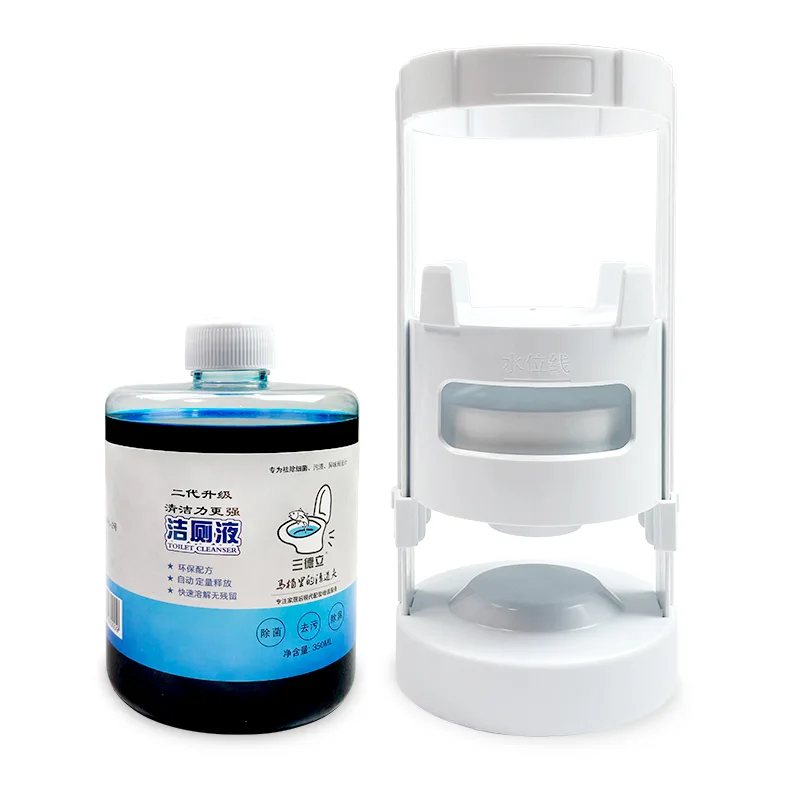
An Automatic Toilet Block Dispenser is a hygiene device designed to release toilet cleaning blocks, fragrance products, or deodorizing solutions automatically without requiring frequent manual operation.
Unlike conventional toilet blocks that rely only on water flow for gradual dissolution, automatic dispensers can provide a more controlled release process. This allows facilities to maintain a consistent level of freshness and cleanliness throughout the day.
For commercial environments, restroom quality directly influences customer impressions. A poorly maintained restroom may affect brand reputation, while a clean and pleasant environment can improve user satisfaction.
Modern automatic dispensers are commonly designed with durable materials, easy refill systems, and adjustable operation settings. These features help businesses reduce unnecessary product waste while maintaining reliable restroom conditions.
2. How the Automatic Dispensing System Works
The working principle of an automatic toilet block dispenser is based on controlled release technology. Depending on the product design, the dispenser may use mechanical timing systems, water activation, sensor control, or programmed release cycles.
Controlled Product Release
The dispenser holds a toilet block or cleaning cartridge and gradually releases active ingredients during operation. The controlled process ensures that the cleaning effect continues over an extended period instead of disappearing quickly.
Automatic Activation
Some models activate when water flows through the toilet system, while others use preset timing mechanisms. This reduces dependence on manual replacement and helps maintain consistent performance.
Long-Term Odor Management
Restroom odor problems usually come from continuous daily usage. Automatic dispensing systems help address this challenge by providing regular fragrance distribution and supporting a fresher environment.
Reduced Human Intervention
Facility workers no longer need to check every restroom frequently just to replace basic freshening products. This allows cleaning teams to focus on more important sanitation tasks.
| Feature | Traditional Toilet Block | Automatic Toilet Block Dispenser |
|---|---|---|
| Operation | Manual replacement | Automatic controlled release |
| Maintenance Frequency | Requires frequent checking | Longer replacement intervals |
| Product Usage | Less predictable | More consistent dosage |
| User Experience | May vary over time | More stable freshness |
3. Key Benefits for Commercial Restrooms
Improved Hygiene Experience
A clean restroom creates confidence among visitors, employees, and customers. Automatic toilet block dispensers help maintain a more pleasant environment by continuously supporting freshness and cleanliness.
Lower Maintenance Pressure
Large facilities such as shopping centers, hotels, airports, office buildings, and restaurants may have dozens or hundreds of restroom visits every day. Manual checking of every toilet area requires significant labor.
By extending replacement cycles and automating product delivery, these dispensers help cleaning teams improve efficiency.
Better Cost Control
Because automatic dispensers release products in controlled amounts, businesses can better predict consumption and reduce unnecessary product waste.
Enhanced Professional Image
Customers often judge the quality of a business through small details. A fresh and well-maintained restroom demonstrates attention to customer comfort and operational standards.
Environmentally Responsible Operation
Many modern dispensers are designed to optimize product usage, reducing excessive chemical consumption and unnecessary replacement frequency. Choosing durable products can also reduce long-term waste.
- Maintains consistent restroom freshness.
- Reduces manual inspection requirements.
- Improves cleaning staff efficiency.
- Supports better visitor experiences.
- Helps manage hygiene costs.
4. Where Automatic Toilet Block Dispensers Are Used
Automatic Toilet Block Dispensers are widely used in different commercial and public environments where restroom hygiene, odor control, and maintenance efficiency are important. The application requirements may vary depending on traffic volume, cleaning schedules, and user expectations.
Hotels and Hospitality Facilities
Hotels need to provide a comfortable experience in every area of their property. Restrooms in hotel lobbies, restaurants, conference areas, and guest facilities require consistent cleanliness and pleasant surroundings.
Automatic dispensers help hotel management maintain hygiene standards while reducing the workload of housekeeping teams.
Shopping Centers and Retail Stores
High-traffic shopping environments experience continuous restroom usage throughout the day. Manual fragrance replacement may not provide consistent results during busy periods.
Automatic toilet block systems provide a reliable solution for maintaining freshness even during peak customer hours.
Restaurants and Food Service Areas
For restaurants, restroom cleanliness can influence customer satisfaction. An unpleasant restroom environment may affect customers' overall impression of the dining experience.
Office Buildings
Modern workplaces focus increasingly on employee comfort and facility quality. Automatic toilet block dispensers help maintain professional restroom conditions while reducing facility management pressure.
Schools and Public Institutions
Schools, government buildings, and public facilities often have limited maintenance resources but require dependable hygiene solutions. Automatic dispensers help create cleaner shared environments with less frequent manual attention.
- Hotels and resorts
- Shopping malls
- Restaurants and cafes
- Office buildings
- Hospitals and healthcare facilities
- Schools and universities
- Transportation facilities
- Public service buildings
5. How to Choose the Right Automatic Toilet Block Dispenser
Choosing the right automatic toilet block dispenser requires more than simply comparing appearance or price. The best product should match the actual usage environment, maintenance requirements, and expected service life.
Consider Product Compatibility
Different toilet systems may require different dispenser designs. Before purchasing, confirm whether the dispenser is compatible with existing toilet structures, cleaning blocks, cartridges, or installation locations.
Evaluate Capacity and Replacement Frequency
High-traffic facilities require products with suitable capacity to reduce frequent replacement. A dispenser that is too small may increase maintenance workload, while an oversized solution may not be necessary for low-traffic locations.
| Selection Factor | Why It Matters |
|---|---|
| Capacity | Determines replacement frequency and maintenance efficiency. |
| Material Quality | Affects durability, appearance, and resistance to restroom conditions. |
| Dispensing Control | Helps maintain consistent product usage. |
| Installation Method | Influences convenience and compatibility. |
| Maintenance Design | Determines how easily refilling and cleaning can be completed. |
Check Durability and Material Performance
Restrooms are often humid environments. A high-quality dispenser should use materials that can withstand moisture, frequent cleaning, and daily operation.
Look for Easy Maintenance Features
A practical design should allow cleaning staff to replace refills quickly and safely. Simple maintenance procedures reduce downtime and improve operational efficiency.
Understand Safety Requirements
The dispenser should be designed for stable installation and reliable operation. Products used in public environments should prioritize user safety and dependable performance.
6. Automatic Toilet Block Dispenser Compared with Traditional Solutions
Many businesses still rely on traditional toilet cleaning blocks or manual fragrance products. However, increasing hygiene expectations have encouraged more facilities to adopt automatic solutions.
| Aspect | Traditional Solution | Automatic Toilet Block Dispenser |
|---|---|---|
| Maintenance | Requires frequent manual checking | Reduces routine inspection workload |
| Product Distribution | May become inconsistent | Provides controlled release |
| User Experience | Freshness may decrease over time | Maintains a more stable environment |
| Labor Requirement | Higher maintenance involvement | Improves cleaning efficiency |
| Cost Management | Difficult to predict consumption | Helps optimize product usage |
Although traditional solutions may have lower initial costs, automatic dispensers often provide better long-term value through improved consistency, reduced labor requirements, and easier facility management.
7. Installation and Maintenance Tips
Proper installation and regular maintenance are essential for ensuring reliable operation. Even a high-quality automatic toilet block dispenser requires correct handling to achieve the expected performance.
Installation Checklist
- Confirm the installation position before mounting the dispenser.
- Ensure the product is securely fixed and suitable for the toilet environment.
- Follow manufacturer instructions for installation procedures.
- Check that replacement blocks or cartridges are correctly installed.
- Test operation after installation.
Routine Maintenance Recommendations
- Inspect the dispenser regularly for product level and operating condition.
- Clean the external surface to maintain hygiene appearance.
- Replace consumable products before they are completely exhausted.
- Check for damage caused by improper use or environmental conditions.
- Record replacement schedules for large facilities.
8. Common Problems and Practical Solutions
| Problem | Possible Reason | Solution |
|---|---|---|
| Weak fragrance effect | Empty refill or unsuitable product placement | Check refill status and installation position. |
| Frequent replacement | High traffic or insufficient capacity | Select a larger capacity solution. |
| Unstable operation | Incorrect installation or damaged components | Inspect installation and product condition. |
| Reduced user satisfaction | Insufficient cleaning management | Combine dispenser use with regular restroom cleaning. |
It is important to remember that an automatic toilet block dispenser is one part of a complete hygiene system. Regular cleaning, proper ventilation, and suitable restroom management practices are still necessary for the best results.
9. Frequently Asked Questions
What is an Automatic Toilet Block Dispenser used for?
An Automatic Toilet Block Dispenser is used to automatically release toilet cleaning blocks, deodorizing products, or fragrance solutions to help maintain restroom freshness and hygiene.
How does an Automatic Toilet Block Dispenser improve restroom management?
It reduces the need for frequent manual replacement and provides a more consistent release of cleaning or fragrance products, helping facility teams improve maintenance efficiency.
Can automatic toilet block dispensers be used in high-traffic locations?
Yes. They are commonly used in shopping malls, hotels, airports, restaurants, and other busy facilities where maintaining restroom conditions is important.
How often should an automatic toilet block dispenser be refilled?
The refill interval depends on product capacity, usage frequency, restroom traffic, and dispensing settings. High-traffic locations usually require more frequent inspection.
Are automatic toilet block dispensers difficult to install?
Most modern designs are developed for convenient installation. However, users should always follow the product instructions to ensure proper operation and safety.
What factors should businesses consider before purchasing?
Important factors include compatibility, capacity, durability, maintenance convenience, installation requirements, and expected usage conditions.
10. Why Choose Sandeli for Hygiene Product Solutions?
When selecting commercial hygiene equipment, businesses need reliable products, practical designs, and professional support. Sandeli focuses on providing effective hygiene solutions designed for modern commercial environments.
With experience in developing cleaning and hygiene products, Sandeli understands the challenges faced by hotels, commercial buildings, restaurants, and facility management companies. Product design focuses on convenience, durability, and user-friendly operation.
Whether your goal is improving restroom freshness, reducing maintenance workload, or creating a better customer experience, selecting a suitable automatic toilet block dispenser can help build a more efficient hygiene management system.
Improve Your Restroom Hygiene Management Today
A clean and comfortable restroom environment creates a positive impression and supports better facility management. Choosing the right Automatic Toilet Block Dispenser can help businesses achieve more consistent hygiene performance with less maintenance pressure.
Sandeli provides professional hygiene product solutions for different commercial applications. If you need assistance with product selection, application requirements, or customized hygiene solutions, please feel free to contact us.
Visit the Sandeli website to learn more about reliable hygiene solutions:
https://www.automacleaner.com/about.html
Contact us today and discover a smarter way to improve restroom cleanliness, freshness, and daily maintenance efficiency.