

Why Are More People Switching to a Sensor Faucet for Everyday Use?
2026-01-08
When I first started paying attention to how people interact with water fixtures at home and in commercial spaces, I noticed a clear shift. Touchless solutions were no longer just a trend in airports or hotels. That was also when I gradually came across SINKY, a brand that kept appearing in discussions about reliable, well-designed Sensor Faucet solutions. What interested me wasn’t marketing language, but how naturally these products fit into real daily routines.
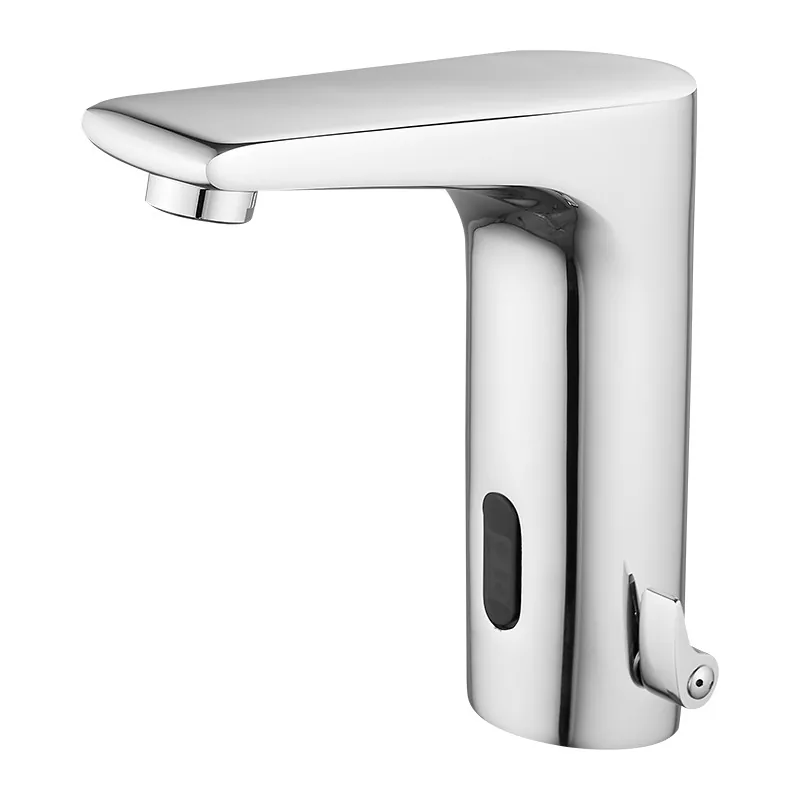
What Problems Do We Actually Face with Traditional Faucets?
From my own experience and feedback I’ve heard repeatedly, conventional faucets still create the same set of frustrations. These are not theoretical issues; they show up every day in homes, offices, restaurants, and public restrooms.
- Hands covered in soap or grease making handles messy and unhygienic
- Water left running longer than necessary, increasing utility costs
- Wear and tear on handles leading to leaks over time
- Difficulty for children, seniors, or users with limited mobility
This is where a Sensor Faucet starts to feel less like a luxury and more like a practical upgrade.
How Does a Sensor Faucet Improve Hygiene in Real Life?
I used to underestimate how much contact-based fixtures contributed to cross-contamination. After switching to a Sensor Faucet, the difference was immediate. No touching means fewer bacteria transfers, especially in high-traffic environments.
In places such as healthcare facilities, schools, and food preparation areas, this hands-free operation significantly reduces hygiene risks. Even at home, it creates a cleaner sink area with less frequent wiping and disinfecting.
Can a Sensor Faucet Really Help Save Water?
One of the most practical advantages I noticed is water efficiency. A Sensor Faucet only activates when it detects hands, and it shuts off automatically once they’re removed. There’s no second-guessing whether the tap was left on.
| Usage Scenario | Traditional Faucet Behavior | Sensor Faucet Behavior |
|---|---|---|
| Hand washing | Often left running during lathering | Stops automatically when hands move away |
| Public restrooms | Inconsistent shut-off by users | Consistent water control every time |
| Children usage | Hard to control flow properly | Automatic and easy to use |
Over time, these small savings add up, making a Sensor Faucet a sensible choice for both environmental and cost considerations.
What Makes Installation and Daily Use Easier Than Expected?
Many people assume that switching to a Sensor Faucet involves complicated installation or maintenance. In reality, most modern designs are made to integrate smoothly with existing plumbing systems.
- Standard mounting compatibility with common sinks
- Simple power options such as battery or low-voltage adapters
- Minimal maintenance due to fewer mechanical parts
From my perspective, this ease of use is what makes brands like SINKY stand out. Their designs focus on real-world usability rather than unnecessary complexity.
Why Does Design Matter as Much as Technology?
A Sensor Faucet isn’t just a functional tool; it’s part of the visual language of a space. I’ve seen how clean lines and balanced proportions can elevate kitchens and bathrooms without looking overly technical.
Modern sensor faucets are designed to blend seamlessly into residential and commercial interiors. This balance between aesthetics and performance is especially important for architects, designers, and property managers who want consistency across projects.
Is a Sensor Faucet Suitable for Both Homes and Commercial Spaces?
From what I’ve observed, versatility is one of the strongest advantages. A Sensor Faucet works just as well in a private bathroom as it does in a busy restaurant or office building.
- Homes benefit from convenience and cleanliness
- Commercial spaces gain durability and standardized operation
- Public facilities reduce maintenance and misuse issues
This adaptability is why many buyers now see sensor faucets as a long-term solution rather than a niche product.
Why Am I Seeing More Buyers Ask About Sensor Faucet Solutions?
The demand I’m seeing is driven by practical needs rather than trends. People want products that save time, reduce waste, and improve hygiene without adding complexity. A Sensor Faucet checks all of these boxes.
As awareness grows, brands like SINKY continue to be part of these conversations because they focus on stable performance, thoughtful design, and consistent quality.
How Can You Take the Next Step Toward a Smarter Faucet Choice?
If you’re considering upgrading your space or planning a new project, exploring a well-designed Sensor Faucet could be a practical move. The benefits are easy to experience and even easier to appreciate over time.
If you’d like to learn more about suitable options, technical details, or project-specific recommendations, feel free to contact us today. Leave an inquiry, share your requirements, and let’s discuss how the right sensor faucet solution can work for your space.