
Why Are Slate Bathroom Cabinets Becoming the Preferred Choice for Long-Lasting and Stylish Home Renovations?
2025-12-02
Slate bathroom cabinets are gaining significant attention in residential and commercial interior projects due to their durability, moisture resistance, and premium aesthetic. As bathroom environments demand materials that can withstand humidity, daily wear, and frequent cleaning, slate offers a natural advantage.
What Defines a High-Performance Slate Bathroom Cabinet? — Product Parameters and Functional Breakdown
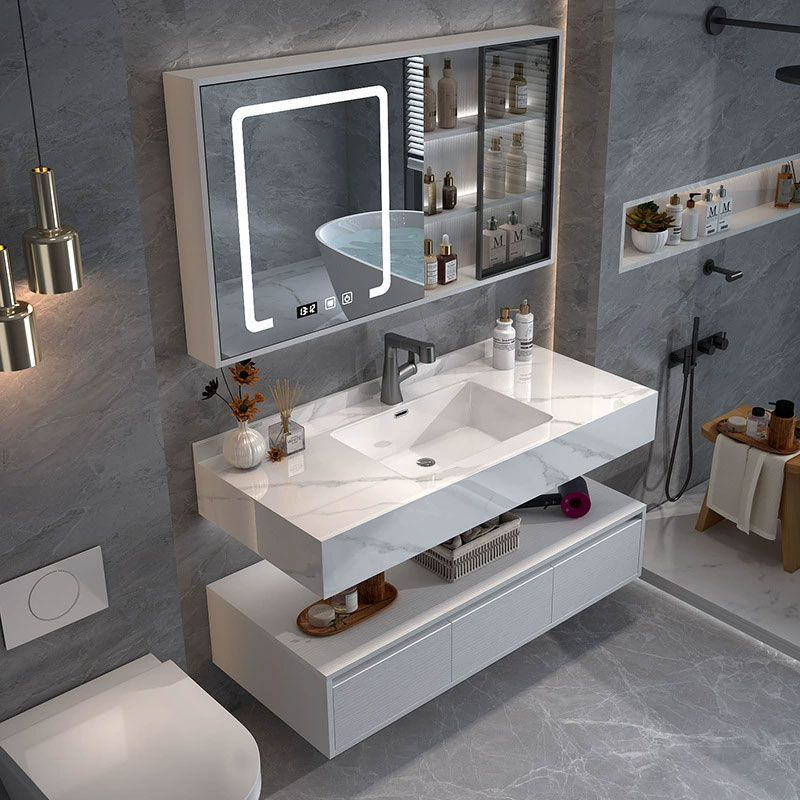
A slate bathroom cabinet is constructed using engineered or natural slate panels combined with a stable cabinetry structure. Slate stands out for its toughness, resistance to temperature changes, and long lifespan, making it ideal for wet environments.
Below is an example of professional-grade product specifications:
Slate Bathroom Cabinet Specifications
| Parameter | Details |
|---|---|
| Material | Sintered slate panel + solid wood/plywood/metal frame |
| Slate Thickness | 6mm–12mm (customizable depending on load-bearing needs) |
| Cabinet Body | Moisture-resistant multilayer board / oak veneer / aluminum alloy structure |
| Surface Finish | Matte, satin, or stone-texture finish |
| Color Options | Grey, ivory, charcoal black, marble-effect white, sandstone |
| Features | Waterproof, fireproof, scratch-resistant, antibacterial surface |
| Countertop Compatibility | Slate countertop / quartz / integrated basin |
| Installation Method | Wall-mounted or floor-standing |
| Hardware | Soft-close hinges, rust-resistant handles, premium drawer slides |
| Recommended Environments | Residential bathrooms, hotel suites, spas, high-humidity spaces |
These specifications demonstrate the material advantages of slate while presenting practical details for buyers comparing cabinet types.
Why Is Slate the Preferred Material for Bathroom Cabinetry?
Slate stands out for both functional and aesthetic reasons. Understanding why this material continues to dominate high-end bathroom remodels provides valuable insight into current and future market preferences.
1. Durability That Surpasses Traditional Wood Cabinets
Slate is engineered under high temperature and pressure, giving the panel exceptional hardness and resistance to impact. Traditional wood or MDF cabinets often swell or deteriorate in moisture-rich rooms, while slate maintains structural integrity regardless of humidity fluctuations.
2. Extremely High Moisture and Heat Resistance
Wet environments, steam exposure, and sudden temperature changes are common in bathrooms. Slate naturally withstands these conditions without deformation, cracking, or warping.
3. Aesthetic Appeal That Matches Luxury Interior Trends
Slate provides a minimalist stone-like visual that enhances modern and timeless bathroom styles. Its matte texture adds depth, elegance, and a premium feel to interior spaces.
4. Easy-to-Clean and Hygienic Surface
The non-porous surface blocks water absorption and stains, reducing the growth of bacteria and mold. This makes slate preferred in households that value hygiene and low maintenance.
5. Long-Term Cost Efficiency
Although slate cabinets may require a higher initial investment, the extended lifespan, reduced maintenance, and resistance to corrosion make them cost-effective over many years.
6. Flexible Design Options
Slate can be customized in various sizes, edges, colors, and cabinet styles, allowing interior designers to match diverse bathroom layouts and themes.
How Will Slate Bathroom Cabinet Design Trends Develop? — Insights Into Market Direction and Future Innovations
Slate bathroom cabinets are positioned to grow significantly as consumer preferences lean toward environmentally friendly materials, long-lasting products, and minimalistic design.
1. Increased Demand for Eco-Friendly Materials
Slate manufacturing processes are moving toward sustainable extraction, reduced waste, and environmentally conscious production. Consumers seeking green building materials will continue to choose slate-based cabinetry.
2. Expansion of Ultra-Thin Lightweight Slate Panels
Manufacturers are producing thinner, stronger slate layers that enhance aesthetic minimalism without compromising durability. This trend will continue as technologies evolve.
3. More Integrated Bathroom Systems
Future cabinets may incorporate integrated basins, hidden drainage structures, and smart storage systems designed for modern living.
4. Growing Popularity in Luxury Hospitality and Commercial Spaces
Hotels, spas, and high-end apartments increasingly use slate furniture to achieve a refined look with long-term performance — a trend expected to rise in the coming years.
5. Innovative Surface Textures and Digital Finishes
Advanced printing technologies allow slate to mimic marble, concrete, or natural stone patterns with impressive realism. This broadens design possibilities, meeting diverse consumer tastes.
Common Questions About Slate Bathroom Cabinets
Q1: Does a slate bathroom cabinet require special maintenance to keep it in good condition?
A: Slate is extremely low maintenance compared to other materials. Daily cleaning usually requires only a damp cloth and mild neutral cleaner. Its non-porous surface prevents water absorption, meaning it does not need sealing or waxing. Slate does not fade, deform, or stain easily, and it resists scratches from common bathroom accessories. As long as heavy impacts are avoided, the cabinet will maintain its finish and texture over many years of use.
Q2: Can slate bathroom cabinets be customized for unique bathroom layouts?
A: Yes. Slate panels can be cut, shaped, and matched with different structural materials to fit various bathroom designs. Custom widths, heights, integrated countertops, and personalized storage layouts are available. The material’s strength allows designers to create wall-mounted floating cabinets, open-shelf styles, or combined vanity systems without compromising durability. It adapts well to both small residential bathrooms and large commercial environments.
Durable Quality and Professional Craftsmanship Supported by Guantuo
Slate bathroom cabinets combine durability, moisture resistance, and elegant design, making them a strong choice for modern home improvement and commercial projects. With long-term performance, easy cleaning, and an appealing natural stone finish, this product category continues to influence global bathroom design trends. As the market moves toward eco-friendly materials, integrated systems, and customizable luxury solutions, slate cabinets will remain a preferred option for spaces that require both style and resilience.
Guantuo provides professionally crafted slate bathroom cabinet solutions built with strict quality standards and advanced production technology. For projects requiring tailored designs, premium materials, and long-lasting performance, Guantuo delivers reliable results.
If guidance or detailed project support is needed, contact us to receive professional product information, customization options, and expert recommendations.