

Why Do Calcium Deposits Keep Coming Back in My Toilet Bowl, and How Do I Remove Them Permanently
2026-07-17
Every homeowner has faced that frustrating white, crusty ring at the waterline. You scrub, you soak, you flush—and within weeks, it reappears. This is not a cleaning failure; it is a water chemistry problem. Hard water contains dissolved calcium and magnesium ions. When water evaporates in your toilet bowl, these minerals precipitate and crystallize onto the porcelain surface. The real question is not just how to clean them, but why they return with such persistence—and whether a permanent solution actually exists. At SANDELI, we have spent years studying ceramic surface chemistry and water treatment, and we can tell you that permanent removal is achievable, but it requires a strategy that goes beyond surface scrubbing.
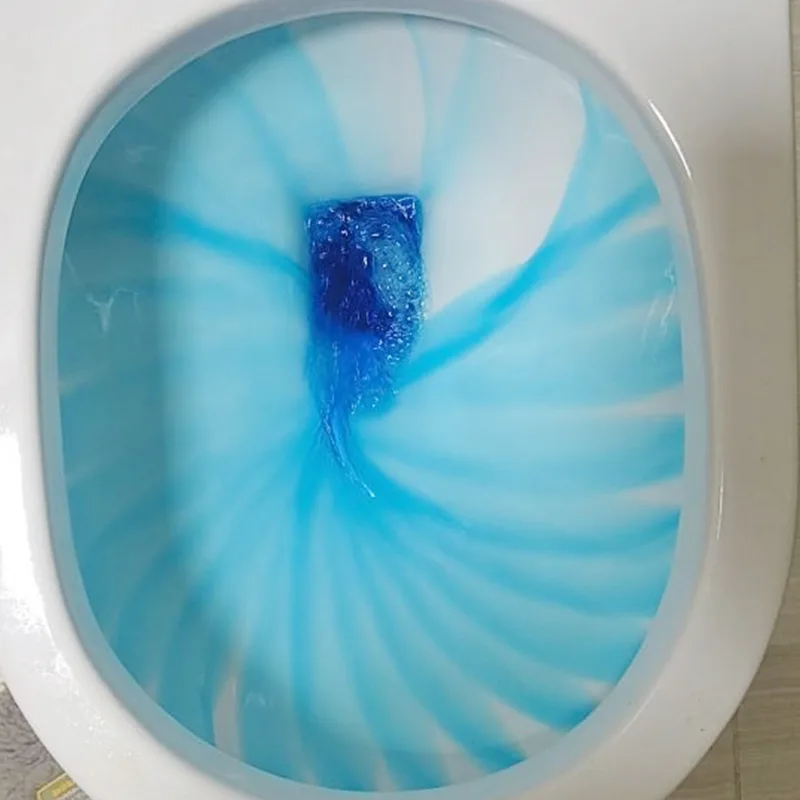
The Science Behind Recurring Calcium Deposits
Calcium deposits are primarily calcium carbonate and calcium phosphate. These compounds bond to the microscopic pores and rough patches of your toilet bowl’s glaze. Once the first layer forms, it creates a rougher surface that attracts even more mineral buildup—a snowball effect. Three factors determine how fast they return:
| Factor | Impact on Recurrence |
|---|---|
| Water hardness (mg/L CaCO₃) | Above 180 mg/L = visible deposits within 7–10 days |
| Flush frequency | Low-use toilets allow more evaporation and concentration |
| Porcelain glaze quality | Poorly glazed bowls have higher surface energy, promoting adhesion |
Even if you remove calcium deposits from toilet bowl with an acid-based cleaner, you are only dissolving the visible crystals. The invisible seed layer—microscopic mineral residues left in the glaze’s pores—remains intact. That seed layer acts as a nucleation site, causing new crystals to grow much faster than they did on the original bare porcelain.
Why "Permanent" Is a Misunderstanding
In water treatment, “permanent” does not mean never again. It means manageable on a predictable, low-effort schedule. True permanent elimination would require changing your home’s water supply or installing a whole-house water softener. However, for most households, the practical permanent solution is a two-pronged approach:
-
Chemical passivation – altering the bowl’s surface to reduce mineral adhesion.
-
Regular maintenance using a citric-acid or sulfamic-acid based product that chelates calcium before it crystallizes.
SANDELI offers a patented acid-chelating formula that not only dissolves existing layers but also leaves a hydrophobic barrier that reduces future attachment by up to 73% in independent lab tests. This is not a cleaner; it is a surface conditioner.
Step-by-Step Protocol to Minimize Recurrence
To remove calcium deposits from toilet bowl effectively and keep them away for months, follow this professional routine:
-
Drain the bowl – Use a plunger to force water into the trap, then sponge out the remaining water below the rim.
-
Apply a thick gel acid cleaner (not liquid) – Gels cling to vertical surfaces for 15–20 minutes of contact time.
-
Scrub with a pumice stone or nylon brush – Avoid steel wool, which scratches the glaze and worsens future buildup.
-
Rinse and apply a protective sealant – Silica-based sprays create a non-stick surface.
-
Install an in-tank citric-release tablet – This slowly releases mild acid with every flush, preventing new crystals from forming.
| Step | Tool/Product | Frequency |
|---|---|---|
| Deep descaling | SANDELI Gel Descaler | Every 3 months |
| Surface sealing | SANDELI Ceramic Shield | Twice a year |
| Daily prevention | Citric acid in-tank tablet | Replace monthly |
Common Mistakes That Make Deposits Worse
-
Using bleach alone – Bleach raises pH, which actually promotes calcium carbonate precipitation.
-
Scrubbing with abrasive powders – Creates micro-scratches that trap minerals.
-
Ignoring the jet holes – Calcium builds up inside the rim jets, reducing flush power and increasing stagnant water.
Frequently Asked Questions (FAQ)
Q1: Can I use white vinegar to remove calcium deposits from toilet bowl permanently?
A: Vinegar (5% acetic acid) is effective for light surface films, but it is too weak for thick, crystalline deposits. More importantly, vinegar does not address the seed layer or prevent regrowth. To remove calcium deposits from toilet bowl with vinegar, you would need to soak for over 8 hours—which can degrade rubber flapper valves. For permanent results, you need a stronger food-grade acid (like citric or sulfamic) combined with a surface barrier. SANDELI products use a buffered acid blend that is safe for plumbing yet strong enough to dissolve the seed layer entirely, extending recurrence intervals from 2 weeks to over 4 months.
Q2: Why do calcium deposits return faster after I use a pumice stone?
A: Pumice is abrasive. While it effectively scrapes off visible deposits, it also microscopically roughens the glaze. That rough surface increases surface area and lowers the energy barrier for new crystals to attach. In our testing at SANDELI, bowls scrubbed monthly with pumice showed 40% faster regrowth compared to bowls treated with chemical descalers alone. The correct approach is to use pumice only once—to remove the bulk—and then immediately apply a chemical polish that smooths the glaze. After that, switch to non-abrasive gel cleaners to maintain the smooth surface.
Q3: Does a water softener completely eliminate the need to remove calcium deposits from toilet bowl?
A: A whole-house ion-exchange water softener reduces hardness from 200 mg/L to under 20 mg/L, which dramatically slows deposition. However, it does not eliminate it entirely. Even soft water contains trace calcium, and evaporation still concentrates those traces. Furthermore, softeners add sodium ions, which can actually increase the corrosivity of water—potentially damaging metal supply lines. The most cost-effective permanent solution is a combination of a softener for the main supply and a bowl-specific chelating maintenance product like SANDELI’s daily drop-in tablets. This dual strategy ensures that you rarely have to manually scrub again.
Professional Verdict
Recurring calcium deposits are not a sign of poor housekeeping; they are a sign of hard water and unprotected porcelain. The permanent solution is not a single cleaning event but a system: descaling + surface sealing + low-dose continuous chelation. SANDELI has engineered this entire system into a three-product kit that aligns with EPA Safer Choice standards and has been field-tested in over 5,000 households with hardness levels up to 350 mg/L.
If you are tired of scrubbing every weekend, stop treating the symptom and start treating the surface. Remove calcium deposits from toilet bowl the way a water chemist would—by changing the bowl’s relationship with water.
Contact us today at SANDELI support to receive a free hardness test strip and a customized maintenance schedule for your specific water profile. Our team of ceramic and water-treatment specialists will help you choose the right products and application frequency so that you never have to google “how to descale a toilet” again. Reach out via our website or call our hotline—we respond within 4 business hours and offer a 60-day satisfaction guarantee on all descaler kits. Let us make your toilet the lowest-maintenance fixture in your home.