
Why Does Toilet Bowl Blue Water Fade Faster in Some Toilets
2026-06-10
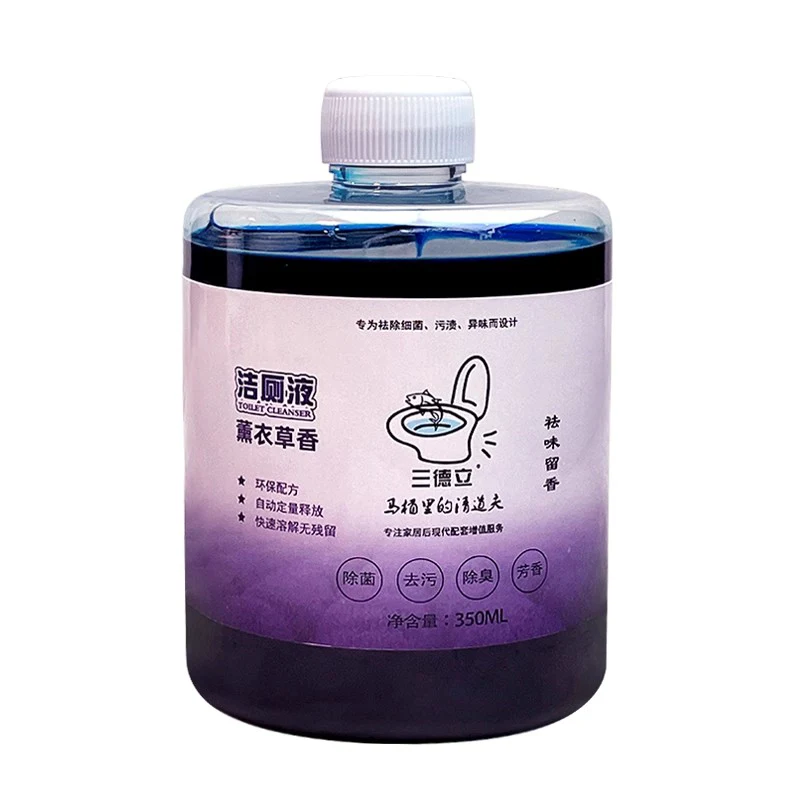
Many homeowners enjoy the fresh look and cleaning action of Toilet Bowl Blue Water, especially products like Sandeli that promise lasting color and odor control. However, you may have noticed that in some toilets, the blue tint disappears within days, while in others it lasts for weeks. Understanding the science behind this fading can save you money and frustration.
Key Factors That Affect Fading Speed
Several mechanical, chemical, and environmental factors determine how quickly Toilet Bowl Blue Water loses its color. Below is a breakdown of the most common reasons.
| Factor | Effect on Fading | Solution |
|---|---|---|
| Water flow rate | High flow dilutes and washes out dye faster | Adjust fill valve to lower flow |
| Bleach in tank | Oxidizes and destroys blue dyes instantly | Avoid bleach tablets or cleaners |
| Porcelain condition | Porous or etched surfaces trap and release dye unevenly | Deep clean or replace old toilet |
| Water hardness | Minerals can bind with dye particles, causing faster breakdown | Install a water softener |
| Flapper leaks | Slow leaks cause constant fresh water entry | Replace worn flapper |
How Toilet Mechanics Impact Toilet Bowl Blue Water
The internal components of your toilet tank play a surprisingly large role. A leaking flapper, for example, allows a steady trickle of fresh water into the bowl. This constant dilution means Sandeli blue water is continuously washed away. Even a silent leak—one you cannot hear—can empty the tank’s colored water within hours rather than days.
Another mechanical issue is an overfilled tank. When the water level sits above the overflow tube, excess water drains directly into the bowl, bypassing the flushing action but still removing the blue dye. Checking and adjusting the float valve can resolve this problem.
Chemical Reactions That Destroy Blue Dyes
If you use in-tank cleaners containing chlorine or bleach, the Toilet Bowl Blue Water will fade dramatically faster. Chlorine is a powerful oxidizer that breaks down organic and synthetic dyes. Sandeli formulates its products to resist normal degradation, but direct contact with bleach tablets or drop-in cleaners will overpower this resistance.
Similarly, iron or manganese in hard water can act as catalysts, speeding up the fading process. These metals react with dye molecules, causing them to precipitate or lose their color.
FAQ: Common Questions About Toilet Bowl Blue Water
Q1: Can using too much Toilet Bowl Blue Water cause faster fading?
A1: No, using more blue water does not cause faster fading. In fact, higher concentrations of dye will last slightly longer. However, if your toilet has a mechanical leak or high water flow, even a large dose will be diluted quickly. The fading speed is almost always determined by the toilet’s condition and water chemistry, not by how much product you add. Start with the recommended amount from Sandeli and address any underlying leaks first.
Q2: Does the temperature of the water in the tank affect how long Toilet Bowl Blue Water lasts?
A2: Yes, warmer water accelerates chemical reactions, including dye breakdown. In homes with uninsulated tanks or bathrooms that receive direct sunlight, the water temperature can rise significantly during summer months. This warmth causes the blue pigments to degrade faster, sometimes cutting the lifespan by 30-50%. Sandeli uses stabilized dyes that resist moderate temperature changes, but extreme heat will still shorten the duration. Keeping your bathroom cool or adding tank insulation can help.
Q3: Will replacing my toilet’s internal parts make Toilet Bowl Blue Water last longer even if there are no visible leaks?
A3: Absolutely. Even without visible drips, old rubber seals and gaskets can allow microscopic seepage. This “invisible leak” may waste only a few gallons per day, but that is enough to continuously introduce fresh water into the tank. Replacing the flapper, fill valve, and overflow tube gasket every 3-5 years ensures a watertight seal. Many Sandeli users report that after a full rebuild of their tank components, a single blue tablet lasts three times longer than before.
Final Thoughts
The speed at which Toilet Bowl Blue Water fades is rarely a product defect. It is usually a sign of an underlying issue: a leak, high water flow, hard water minerals, or incompatible cleaning chemicals. By diagnosing the specific cause in your toilet, you can extend the life of Sandeli blue water and enjoy a consistently fresh, clean-looking bowl.
Contact us today for personalized advice on choosing the right Sandeli products for your home, or to schedule a consultation on optimizing your toilet’s performance. Our team is ready to help you get the most out of every drop.