

Why Is Installation Compatibility Important When Choosing a Bathroom Faucet for Hotels?
2026-11-18
Why Is Installation Compatibility Important When Choosing a Bathroom Faucet for Hotels?
Installation compatibility is a practical consideration when selecting a Bathroom Faucet for hotels because every guestroom must meet the same functional, plumbing and maintenance requirements. Unlike a residential renovation, a hotel project may involve dozens or hundreds of bathrooms, often with different vanity layouts, basin models and concealed plumbing arrangements. A faucet that does not match the existing mounting hole, countertop thickness or water supply connections can lead to additional drilling, replacement fittings, installation delays and higher labour costs. For hotel developers, contractors and purchasing teams, checking compatibility before placing a bulk order helps keep the installation schedule predictable and reduces problems during handover.
The decision also affects daily operation after the property opens. A suitable fixture should provide comfortable access to the handle, direct water into the basin without excessive splashing and allow maintenance staff to reach the connections below the counter. Our hotel procurement team should therefore evaluate the complete installation environment rather than compare appearance and unit price alone. The following considerations explain how to assess product dimensions, plumbing interfaces, materials and long-term service requirements before specifying a model.
Which Installation Details Should Be Checked Before Ordering?
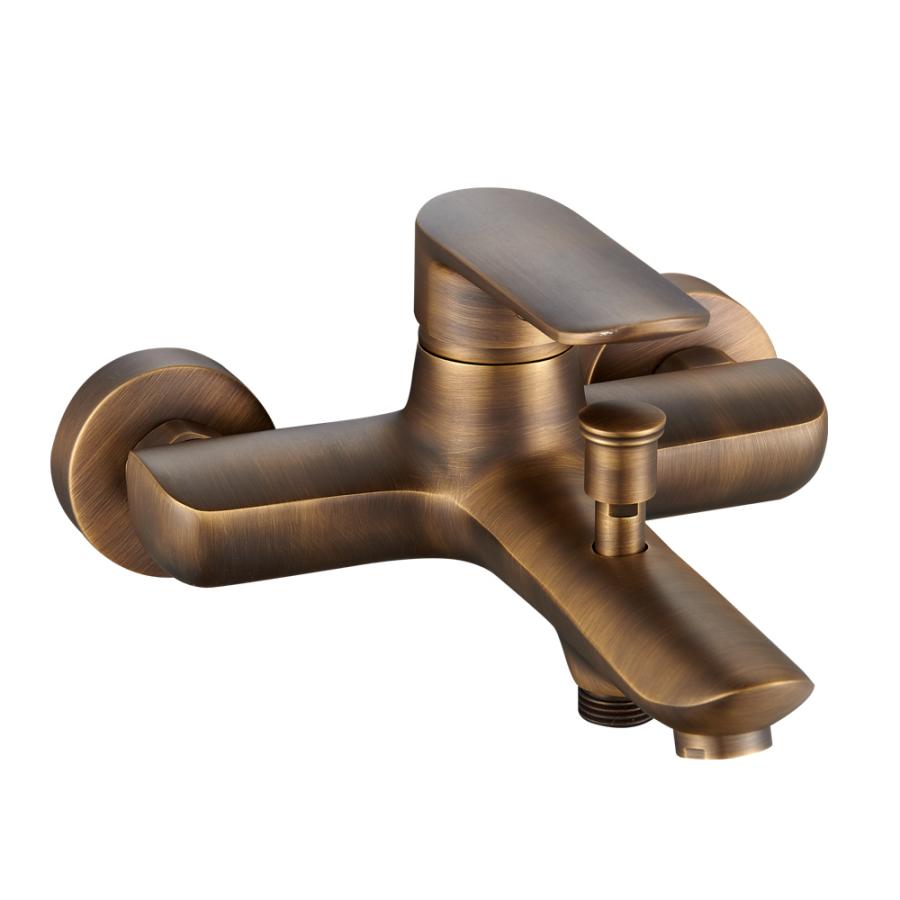
The first step is to identify the mounting configuration. Deck-mounted basin mixers are commonly installed through a prepared hole in the basin or countertop, while wall-mounted models require compatible concealed water connections and a suitable rough-in arrangement behind the finished wall. Widespread designs may use separate hot and cold handles with an independent spout, whereas a single-hole mixer combines the controls and outlet in one assembly. These configurations are not interchangeable without changes to the basin, countertop or plumbing rough-in.
For a deck-mounted model, our basin and countertop drawings should show the number of faucet holes, hole diameter, centre position, countertop thickness and available clearance underneath. The installer also needs enough room to fit the mounting hardware, tighten the fixing nut and connect the flexible inlet hoses. A deep vanity cabinet, drawer runner or basin support can obstruct the fixing assembly even when the faucet appears to fit from above. Checking a full-size installation drawing is more reliable than estimating dimensions from a product photograph.
Spout reach and height are equally important. The outlet should project far enough into the basin to direct water towards the bowl rather than the rear rim or countertop. If the spout is too short, guests may struggle to wash their hands comfortably. If it is too high for a shallow basin, water can splash onto the vanity and floor. The relationship between outlet height, basin depth, bowl shape and water pressure should be assessed together. A vessel basin, for example, may require a taller faucet than an integrated countertop basin.
Hot and cold water connections must match the building's plumbing arrangement. Before ordering, our plumbing contractor should confirm the inlet thread standard, hose length, connection position, angle valve type and available service space. International projects may use different thread systems and connection requirements, so a product intended for one market should not automatically be assumed to fit another. The project specification should state the required connection standard and request confirmation from the supplier.
| Installation item | What to verify | Potential issue if overlooked |
| Mounting configuration | Deck-mounted, wall-mounted, single-hole or widespread | Faucet cannot match the prepared installation points |
| Mounting hole | Hole diameter, number of holes and centre spacing | Additional drilling or countertop modification |
| Countertop and basin | Thickness, bowl depth, rim shape and available clearance | Insufficient fixing space or water splashing |
| Spout geometry | Spout reach, outlet height and basin landing position | Uncomfortable handwashing and water outside the bowl |
| Water connections | Thread standard, inlet hose length and hot and cold orientation | Extra adapters, strained hoses or leakage risk |
| Maintenance access | Space for tools, shut-off valves and cartridge replacement | Longer repair time and difficult servicing |
Hotel teams should also review the relationship between the faucet and other bathroom fittings. Mirrors, splashbacks, shelves, soap dispensers and wall-mounted accessories can restrict handle movement or interfere with the spout. In accessible guest bathrooms, the layout should be reviewed against the applicable local accessibility requirements, including reach range, operating force and clear space. These details are best resolved during the design and sample-room stage rather than after the vanity tops have been manufactured.
How Do Product Materials and Construction Affect Hotel Project Selection?
Installation compatibility is only one part of a successful specification. A hotel fixture is used repeatedly by guests and housekeeping staff, so the body material, valve core, handle construction and surface finish also deserve attention. A product may fit the countertop perfectly but still be unsuitable if its construction does not meet the project's durability, water quality or maintenance expectations. Our purchasing specification should identify the required materials and ask the supplier to confirm them against the selected model.
One publicly listed Haogeer basin mixer provides a useful example of how model-level information should be reviewed. The LGE2022-6 single-lever basin mixer is described with a brass body, zinc handle, 40 mm ceramic cartridge and chrome finish. These details help buyers understand the basic construction, but they do not establish every installation dimension or performance value. The project team should request the latest technical drawing and confirm whether the selected production version has the same configuration before approving a bulk order.
A ceramic cartridge controls the mixing and flow of hot and cold water. Its size and design influence the internal layout of the faucet and the replacement parts required during maintenance. A 40 mm cartridge is a stated feature of the LGE2022-6 listing, but cartridge diameter alone does not confirm compatibility with another model or guarantee a particular service life. Hotel operators should ask about cartridge identification, replacement availability, operating test records and the procedure for servicing the mixer without damaging the countertop or surrounding finish.
Surface finish should be considered in relation to the hotel's interior design and cleaning routine. Chrome is a familiar option for commercial bathrooms because it works with many styles of sanitaryware and accessories. Other finishes may be considered where the project has a coordinated design scheme, but the purchasing team should confirm the exact finish process, cleaning instructions and available replacement parts. Abrasive cleaners and unsuitable chemicals can damage decorative surfaces, so housekeeping guidance should be consistent with the manufacturer's care recommendations.
Taizhou Haogeer Sanitary Wares Co., Ltd. lists single-handle and double-handle basin mixers, along with bathroom and shower faucet categories. This range gives project buyers different product types to assess against the intended installation. A basin mixer is selected around the washbasin and countertop arrangement, while a bath or shower mixer must match the corresponding water outlets, diverter arrangement and wall or bath-side connections. The product category should therefore be confirmed before technical comparison begins.
| Published product information | Example specification | What hotel buyers should confirm |
| Model | LGE2022-6 single-lever basin mixer | Current model availability and approved drawing |
| Body | Brass | Material grade and applicable compliance documents |
| Handle | Zinc | Handle construction and finish consistency |
| Cartridge | 40 mm ceramic cartridge | Cartridge identification and replacement supply |
| Surface finish | Chrome | Finish specification, cleaning guidance and inspection criteria |
| Mounting dimensions | Not stated in the public listing | Hole diameter, fixing range and overall dimensions |
| Water pressure and flow | Not stated in the public listing | Operating pressure range and measured flow rate |
Water pressure and flow rate deserve separate attention in hotels with multiple floors or centralised hot water systems. Static pressure at a guestroom does not necessarily represent the pressure available while several rooms are drawing water at the same time. The design team should review the building's pressure conditions and request the manufacturer's operating range and flow data for the selected model. If local regulations or the hotel brief specify water-efficiency limits, the faucet and any aerator or flow regulator should be checked against those requirements.
Our factory and project purchasing team should keep the approved sample, technical drawing, material description and finish reference together as one controlled specification. This reduces the risk of receiving visually similar products with different internal components or connection details. For a multi-room development, consistency between the approved sample and the delivered batch is particularly important because even small variations can complicate installation and future maintenance.
Why Does Compatibility Reduce Installation and Maintenance Costs?
In a hotel project, the purchase price is only one part of the total installed cost. A faucet that requires adapters, extra labour, replacement hoses or countertop alterations can become more expensive than a model with a higher initial price but a confirmed fit. Installation delays can also affect other trades. If the vanity top is waiting for a revised hole position, the plumber may be unable to complete the connections, and the bathroom may not be ready for final inspection. Early coordination helps avoid this chain of rework.
Standardising compatible models across similar guestroom layouts can also simplify procurement. When the same basin, mounting arrangement and connection requirements are used throughout a room type, contractors can prepare repeatable installation procedures and maintain a more consistent spare-parts inventory. This does not mean every bathroom must use an identical faucet. Suites, accessible rooms and premium room categories may have different basin dimensions or design requirements. The important point is to group rooms by their actual installation conditions before selecting a product schedule.
Maintenance access should be treated as part of compatibility rather than an afterthought. The shut-off valves should remain reachable, flexible hoses should not be sharply bent or twisted, and the fixing nut should be accessible with suitable tools. If a cartridge needs replacement, technicians should be able to remove the handle and service the valve without dismantling unrelated fittings. Our maintenance plan should record the model number, cartridge type, finish and source of replacement components for each installed product group.
Before a large order is released, Taizhou Haogeer Sanitary Wares Co., Ltd. can be asked to provide the product drawing, installation instructions and model-specific confirmation for the intended basin and plumbing arrangement. A sample installation in one representative guestroom is a practical way to check handle clearance, spout position, connection length, fixing access and overall appearance. Any adjustment should be recorded and approved before the same specification is applied across the remaining rooms.
Commissioning should include flushing the supply lines before the faucet is put into service, checking hot and cold operation, inspecting all joints for leaks and confirming that the handle moves smoothly. The water stream should land within the basin under the actual site pressure conditions. Contractors should also verify that the aerator, if fitted, is correctly installed and that the outlet is free from debris. These checks help identify installation problems before guests occupy the rooms.
How Should Hotel Buyers Prepare a Reliable Faucet Specification?
A clear specification gives the manufacturer, distributor, plumbing contractor and hotel operator the same reference point. It should begin with the basin and countertop schedule, not simply a product image or finish name. The design team should provide the mounting configuration, hole dimensions, countertop thickness, basin depth, spout position and available clearance. The plumbing schedule should identify hot and cold supply locations, connection standards, shut-off valve positions and the expected pressure conditions.
Our project documentation should also state the required body and handle materials, cartridge type, surface finish, flow requirements, applicable certifications and inspection records. Where the project is in an export market, the responsible consultant should identify the local plumbing and water-contact requirements that apply. Certification claims should be checked against valid documents for the exact model and market rather than assumed from a general company profile. Any unconfirmed parameter should remain an open technical query until the supplier provides written evidence.
A practical approval sequence is to review the drawings first, check the sample against the actual basin, confirm the connection details with the plumbing contractor, and then approve the final product schedule. The installer should receive the correct fixing components and instructions before work begins. Our team should retain the approved sample and a record of any permitted substitutions so that replacement products remain compatible with the original installation.
Taizhou Haogeer Sanitary Wares Co., Ltd. has published product information covering basin mixers, bathroom fittings and related sanitary ware, as well as installation guidance for basin-mounted faucets. For hotel procurement, the next step is to match the selected model to the project's drawings and request confirmation of dimensions and operating data that are not stated in the public product listing.
Conclusion
Installation compatibility affects far more than whether a faucet can be fixed to a basin. It influences plumbing connections, water delivery, guest comfort, construction scheduling, maintenance access and the total cost of operating a hotel bathroom. By confirming mounting type, hole dimensions, spout geometry, supply connections, material construction and pressure requirements before ordering, hotel buyers can reduce rework and create a more consistent installation across guest rooms. Contact Taizhou Haogeer Sanitary Wares Co., Ltd. with your basin drawings, plumbing details and project requirements to request model-specific technical information and discuss a suitable configuration for your hotel development.
Frequently Asked Questions
What measurements should be confirmed before installing a basin mixer in a hotel bathroom?
Confirm the mounting hole diameter and position, countertop thickness, basin depth, spout reach, outlet height and clearance beneath the vanity. The installer should also check the fixing nut space, inlet hose length and position of the hot and cold angle valves. These measurements help establish whether the selected mixer can be installed without modifying the basin, countertop or cabinet.
Can a hotel replace an existing faucet with a different model without changing the plumbing?
Sometimes, but the replacement must match the existing mounting configuration, hole dimensions, water inlet connections and available installation space. A deck-mounted single-hole mixer cannot automatically replace a widespread or wall-mounted model. Even when the mounting points appear similar, the new faucet may require different hoses, adapters or fixing hardware, so the technical drawing should be checked before purchase.
Why should hotels request a sample before placing a bulk faucet order?
A sample allows the project team to test the actual fit on the selected basin and countertop, check handle clearance, confirm the spout position and inspect the connections below the vanity. It also provides a reference for finish, material appearance and installation components. Approving one representative installation before mass procurement helps identify compatibility problems while changes are still manageable.